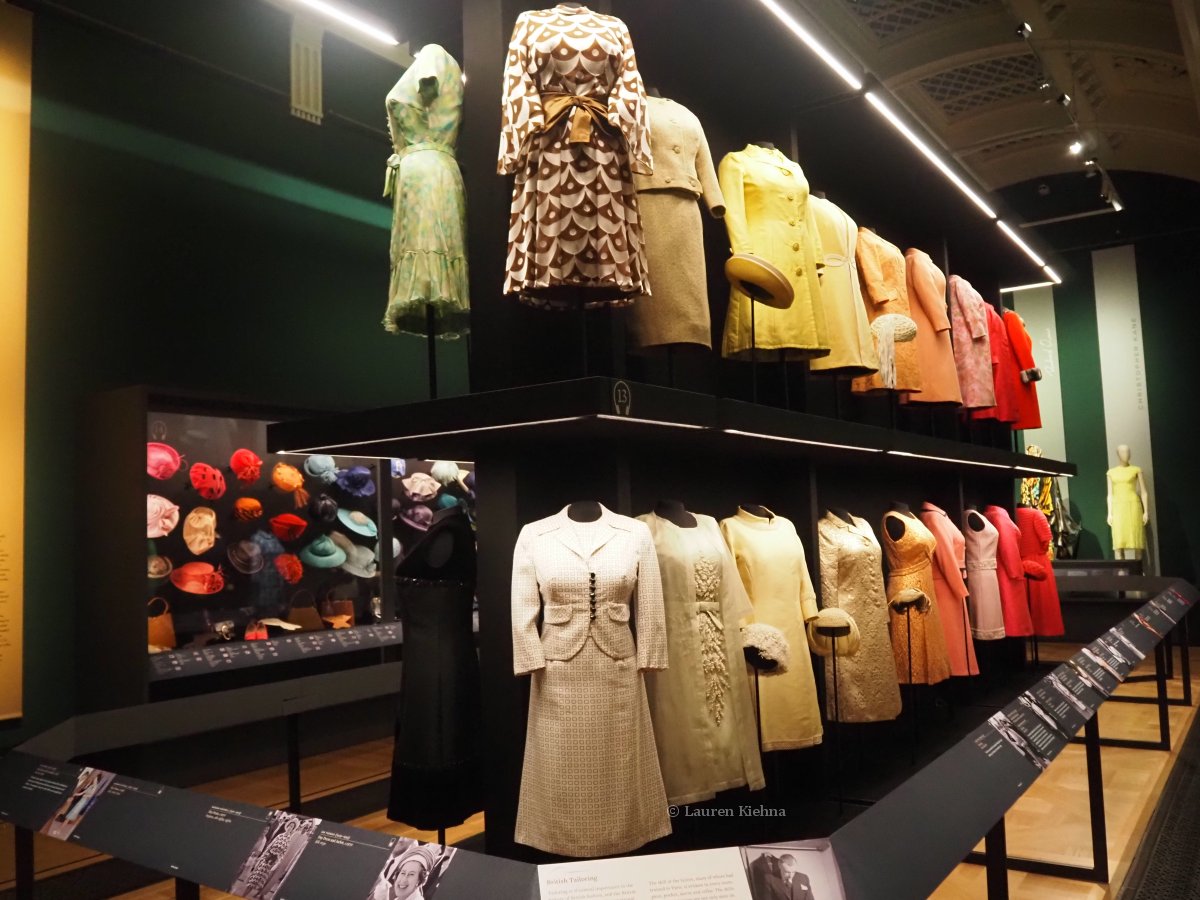
It just feels right to wrap up our series on the late Queen’s style with a look at all the jewelry included in the big new Buckingham Palace show, doesn’t it? I’m back from seeing Queen Elizabeth II: Her Life in Style in London, and I’ve got all the details on every piece of jewelry showcased in the incredible exhibition.
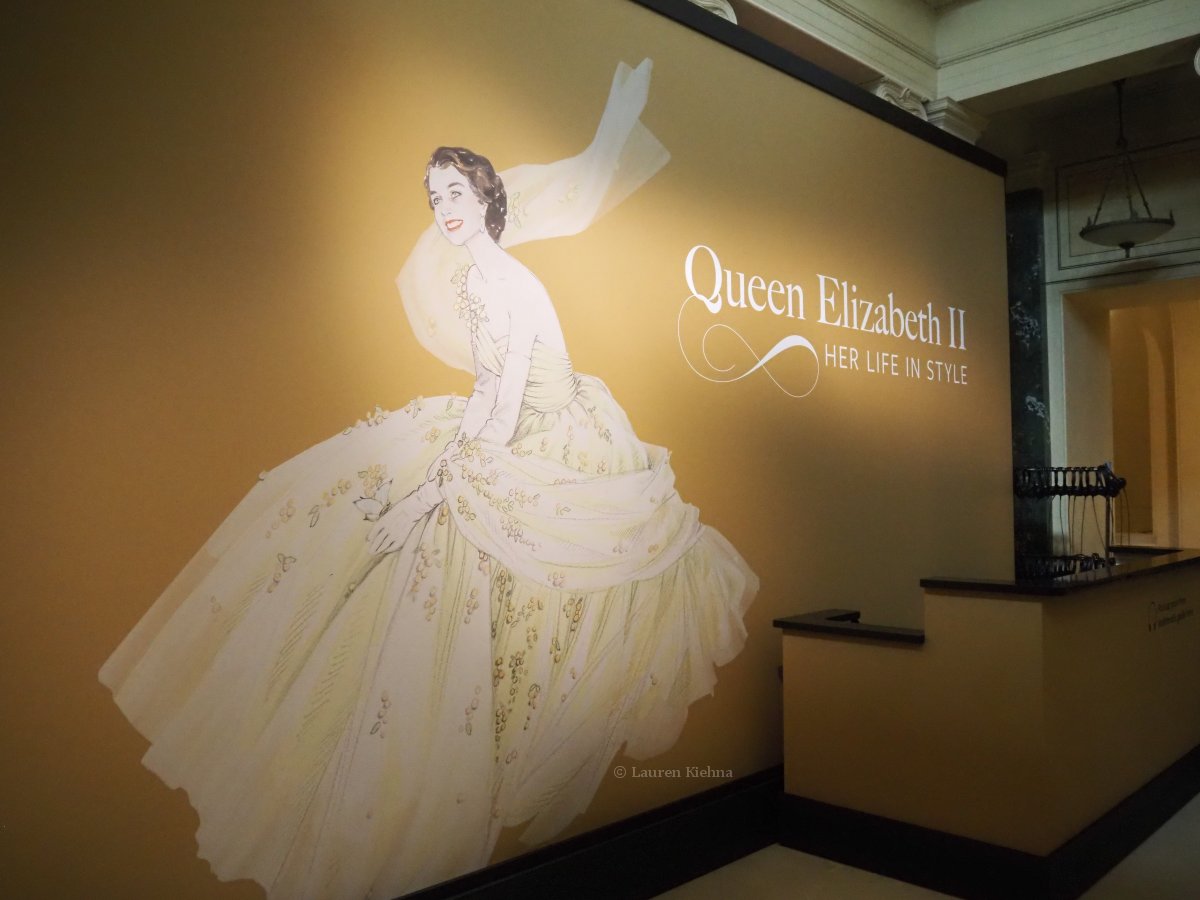
I was thrilled to be invited by the Royal Collection Trust to attend a press preview for Queen Elizabeth II: Her Life in Style at the King’s Gallery, Buckingham Palace last week. This was a couldn’t-miss moment for me: a century of the late Queen’s fashion and accessories, displayed beautifully in the gallery space built on the former site of the palace’s nineteenth-century private chapel.
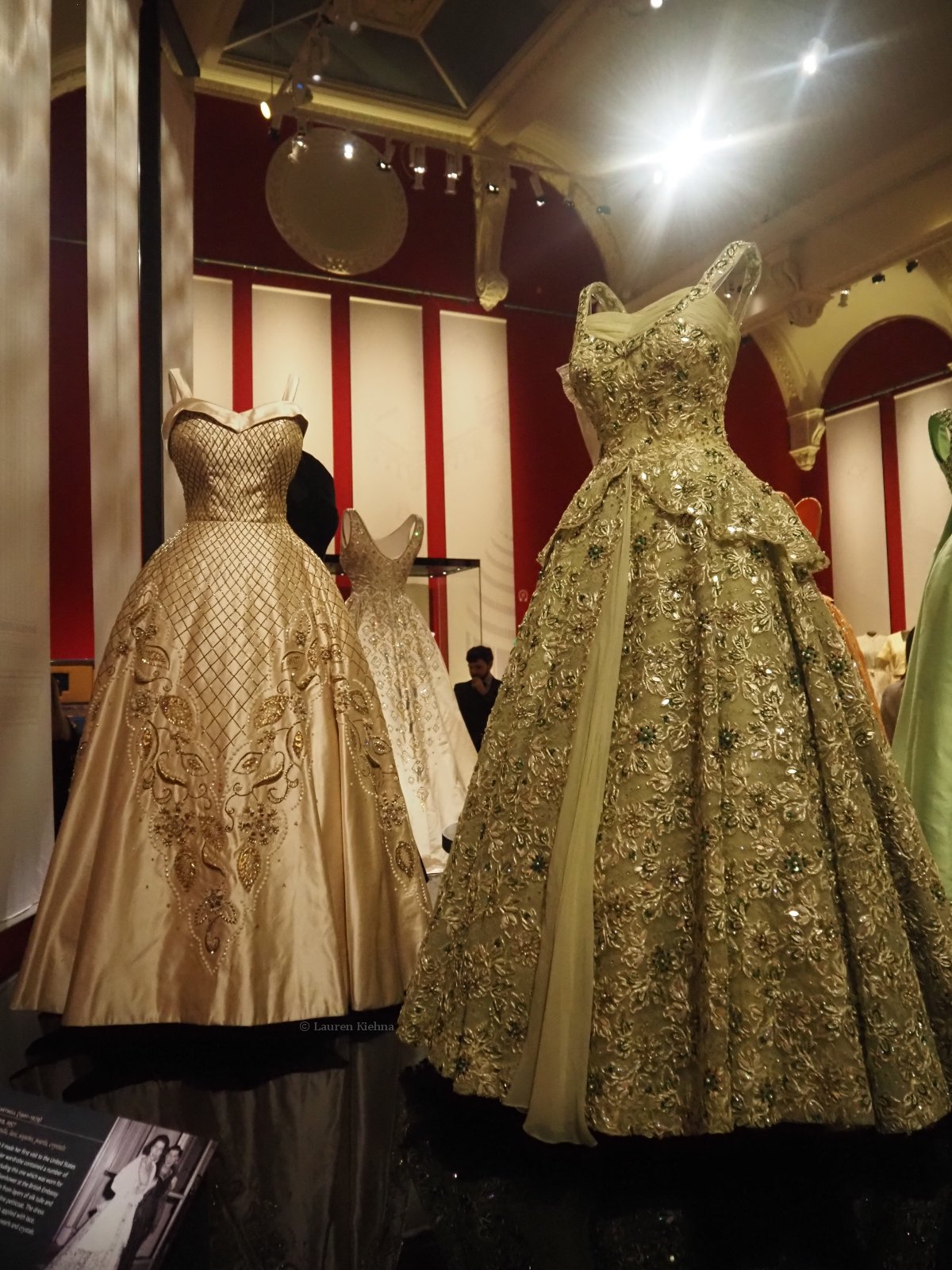
Rightfully so, the fashion is the star of the show. There’s a little bit of everything here: ballgowns, day dresses, tartans, and even a plastic raincoat! Queen Elizabeth II’s christening, wedding, and coronation gowns are all here, as well as a whole range of garments worn during her remarkable seven decade reign.
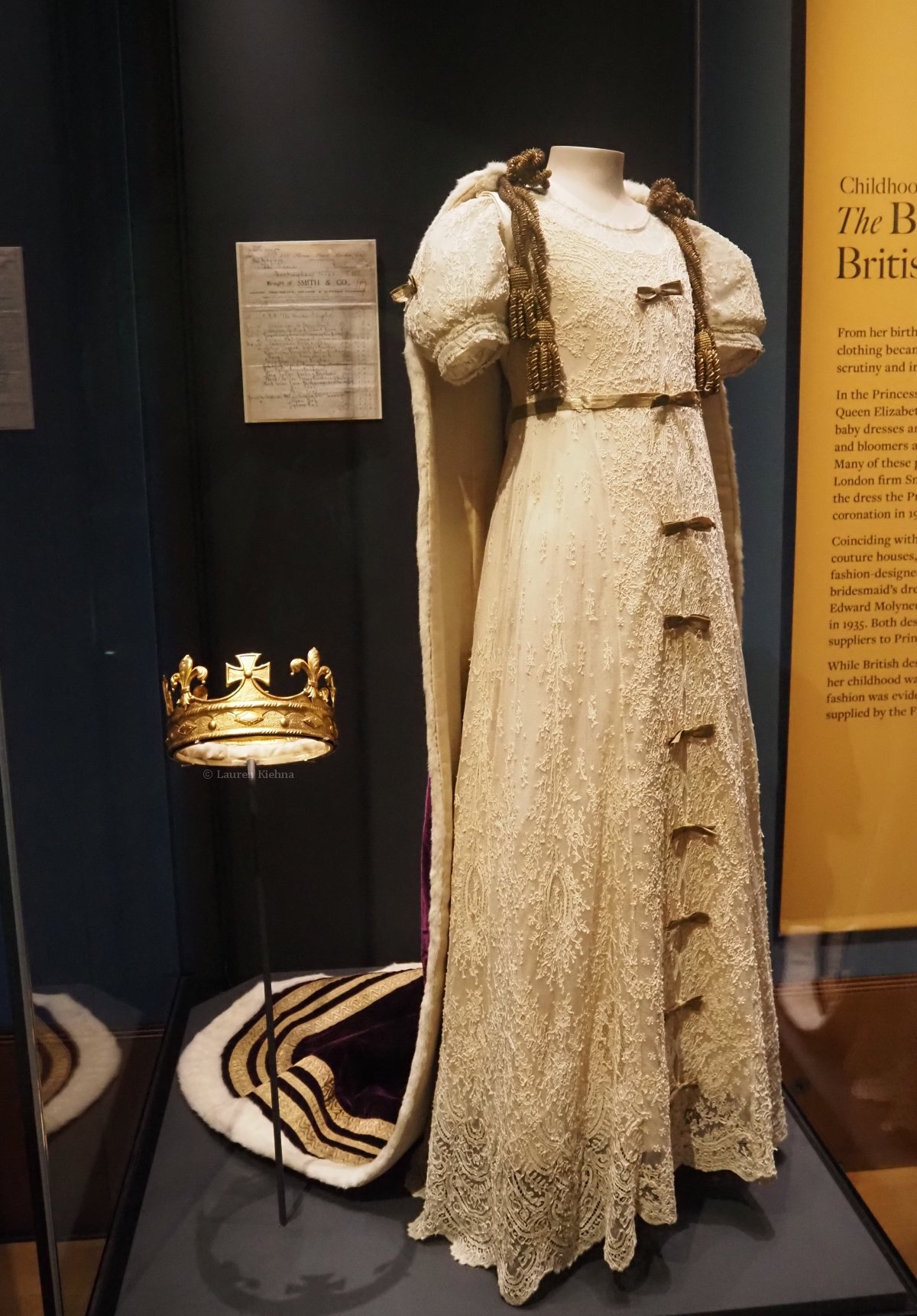
But, of course, we’re all about the jewels here. I made sure to chronicle every piece of jewelry included for you, starting with a special piece from 1937: the golden coronet that Princess Elizabeth wore for the coronation of her parents, King George VI and Queen Elizabeth.
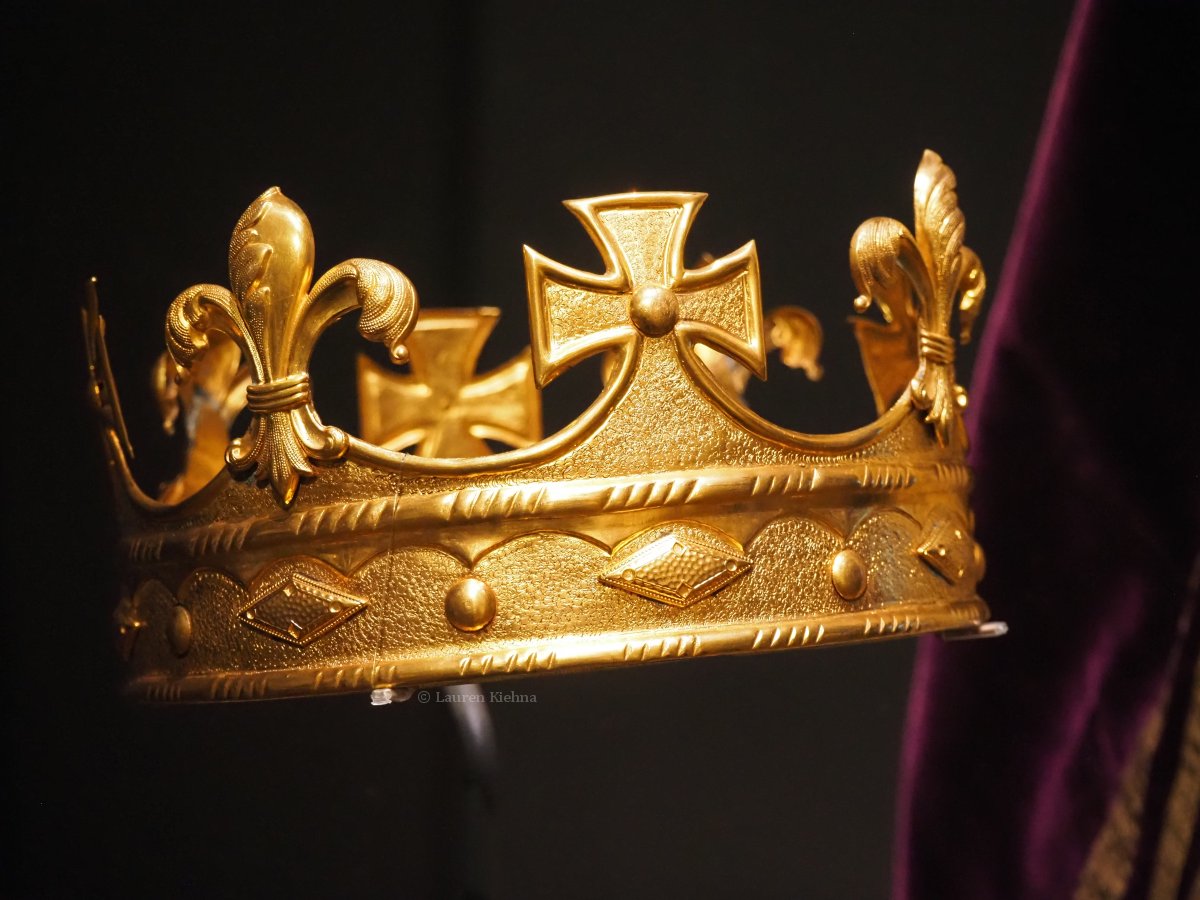
Here’s a closer view, courtesy of my new camera. The silver-gilt coronet was made by Garrard, then the crown jeweler. The exhibition notes that the coronet cost a remarkable £29! Princess Margaret wore a matching one.
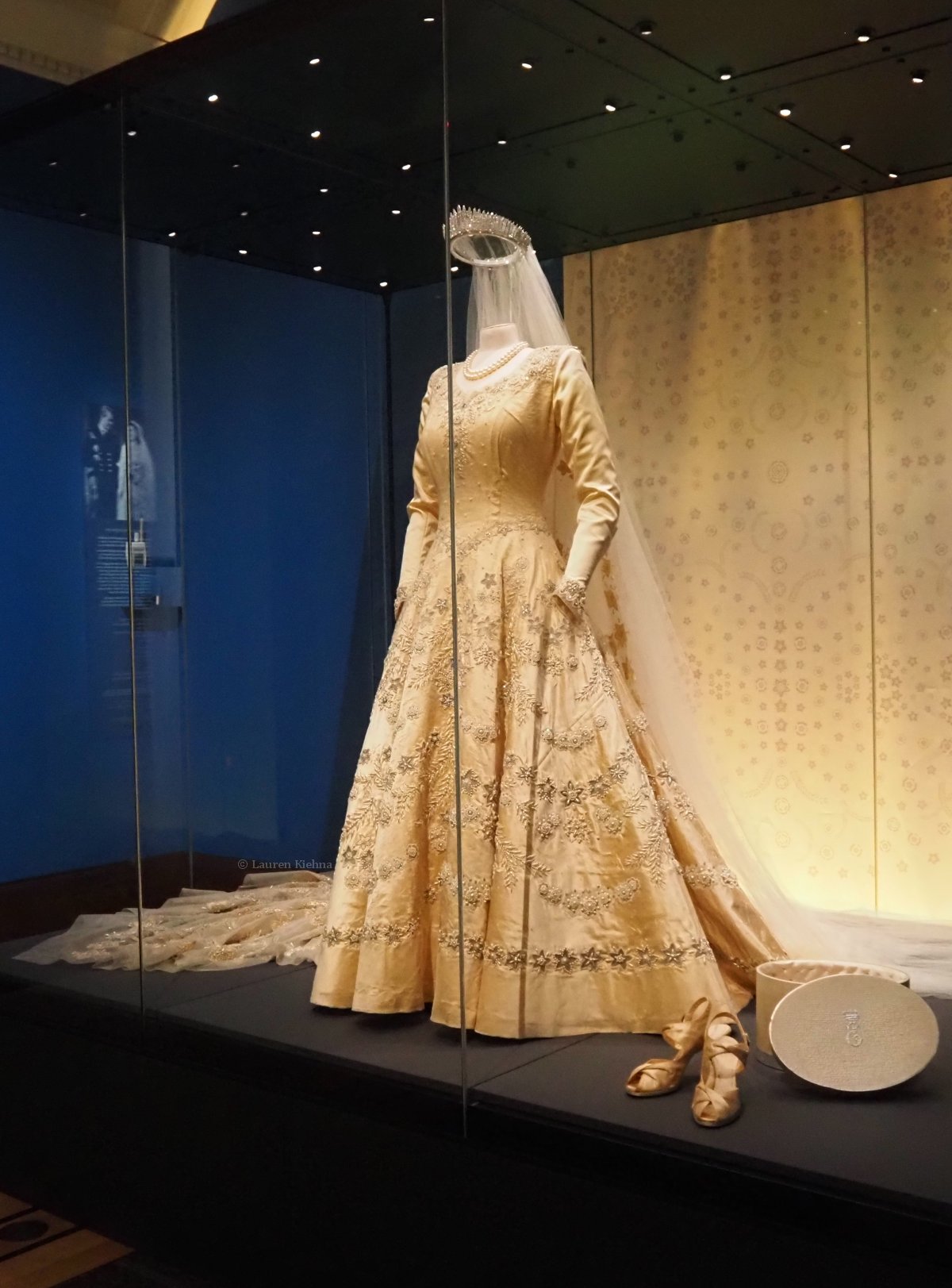
Opposite the ’37 coronation dress, at the end of a long corridor full of iconic garments, was another one of the late Queen’s most important dresses: the gown, veil, jewels, and shoes she wore for her wedding to the Duke of Edinburgh in November 1947. (I’m currently chronicling the history of the wedding day in a series over at Hidden Gems.)
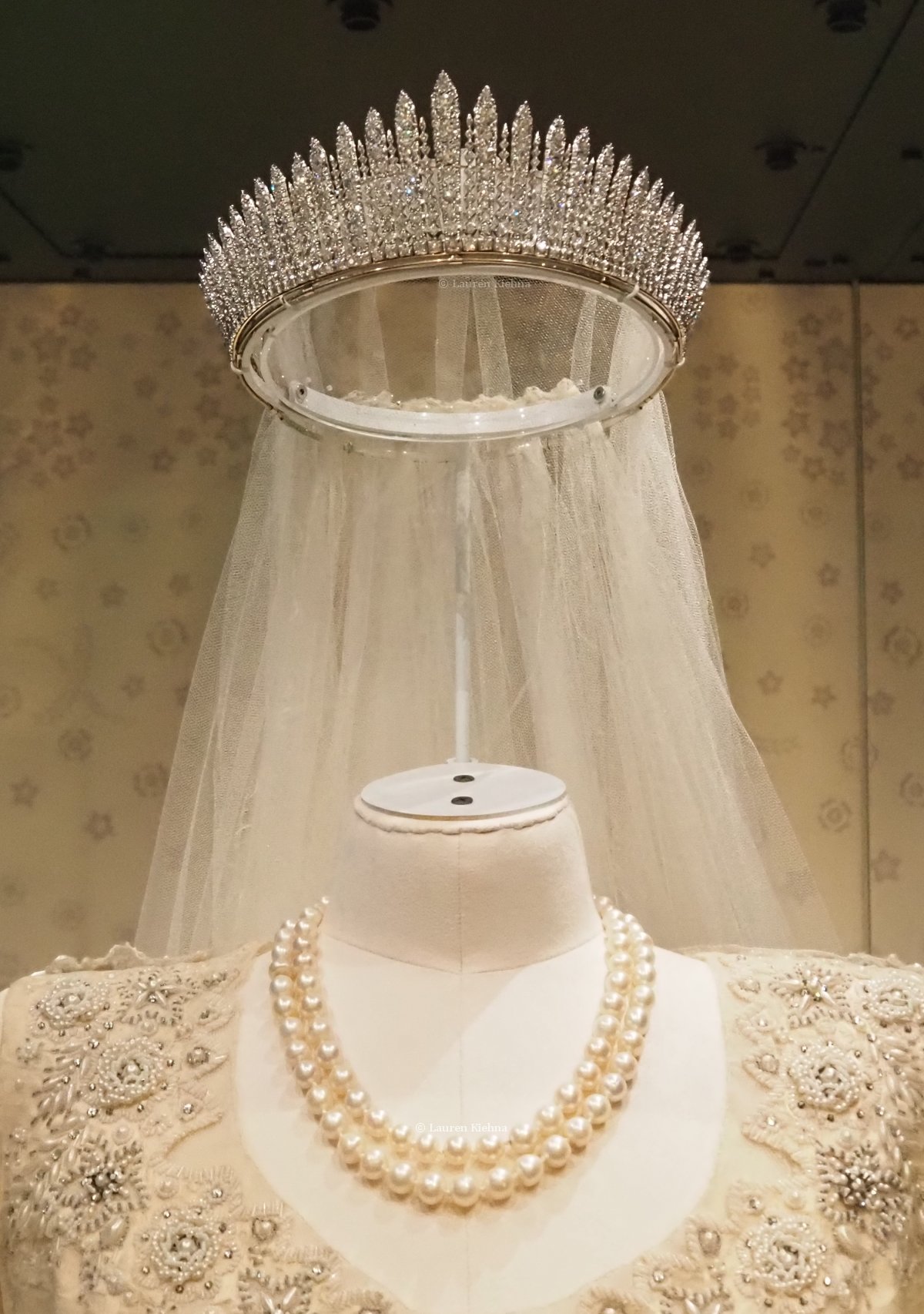
Some iconic pieces of royal jewelry are displayed with the bridal ensemble. Queen Mary’s Fringe Tiara, the jewel that famously broke apart on the morning of the wedding, glitters in a place of honor in the exhibition. The diamonds in the tiara are the same ones given to Queen Mary by Queen Victoria, and the fringe tiara has been worn by three British royal brides for their weddings.
The Queen Anne and Queen Caroline Pearl Necklaces gleam beneath the tiara. The antique royal necklaces were the ones that had to be retrieved by an aide from the wedding gift display at St. James’s Palace shortly before Elizabeth left Buckingham Palace on her way to Westminster Abbey.
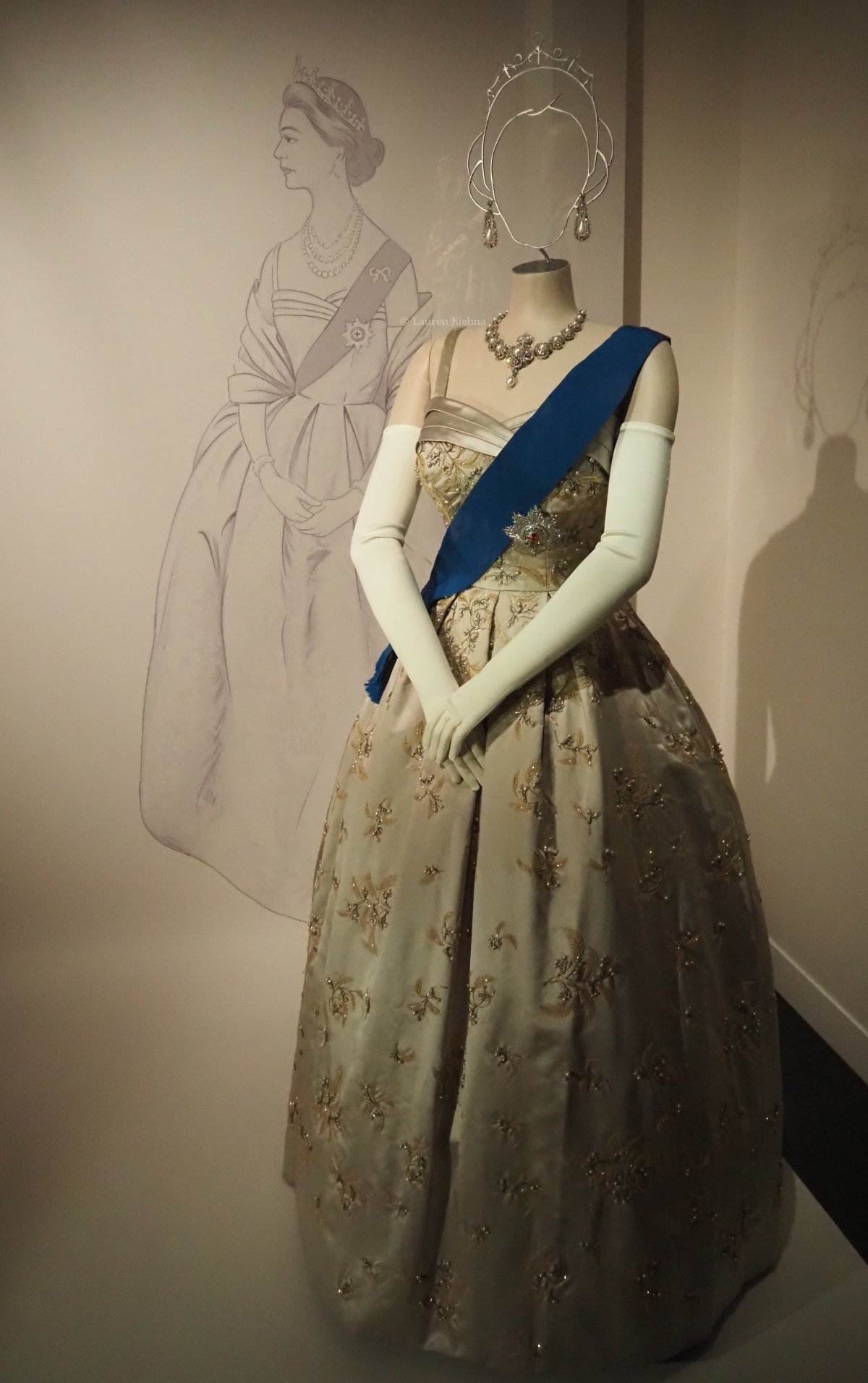
One of my favorite features of the exhibition is the pair of mannequins dressed in full gala ensembles, each tucked away in one of the alcoves in the last room of the gallery. The exhibition’s curator, Caroline de Guitaut, explained that she wanted to show the gowns as they would have been worn, in as complete a form as possible. This mannequin is dressed in a gown made by Hardy Amies. Queen Elizabeth II wore the dress for a state banquet hosted by President Eisenhower at the White House in 1957.
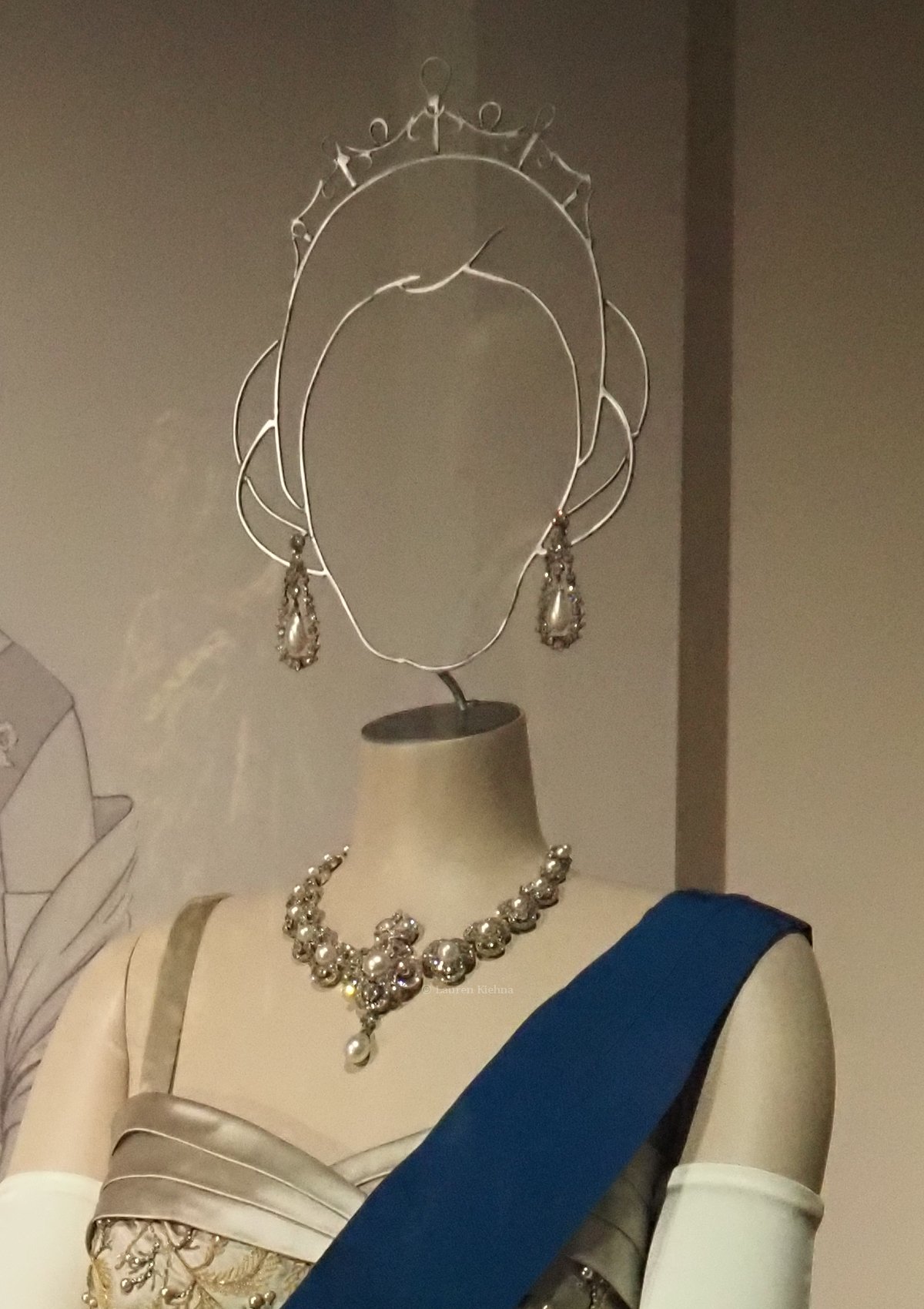
The gown is displayed with some of the jewelry pieces she wore that night. The Gloucester Pendant Earrings, featuring pearl drops in elaborate diamond frames, originally belonged to one of King George III’s daughters, Princess Mary, Duchess of Gloucester and Edinburgh.
Elizabeth paired the earrings with Queen Victoria’s grand Golden Jubilee Necklace, which dates to 1888. She finished off the look with the Girls of Great Britain & Ireland Tiara, which is not included in this exhibition. (I’m not sure, but it may be headed to Edinburgh with The Edwardians for the rest of 2026.)
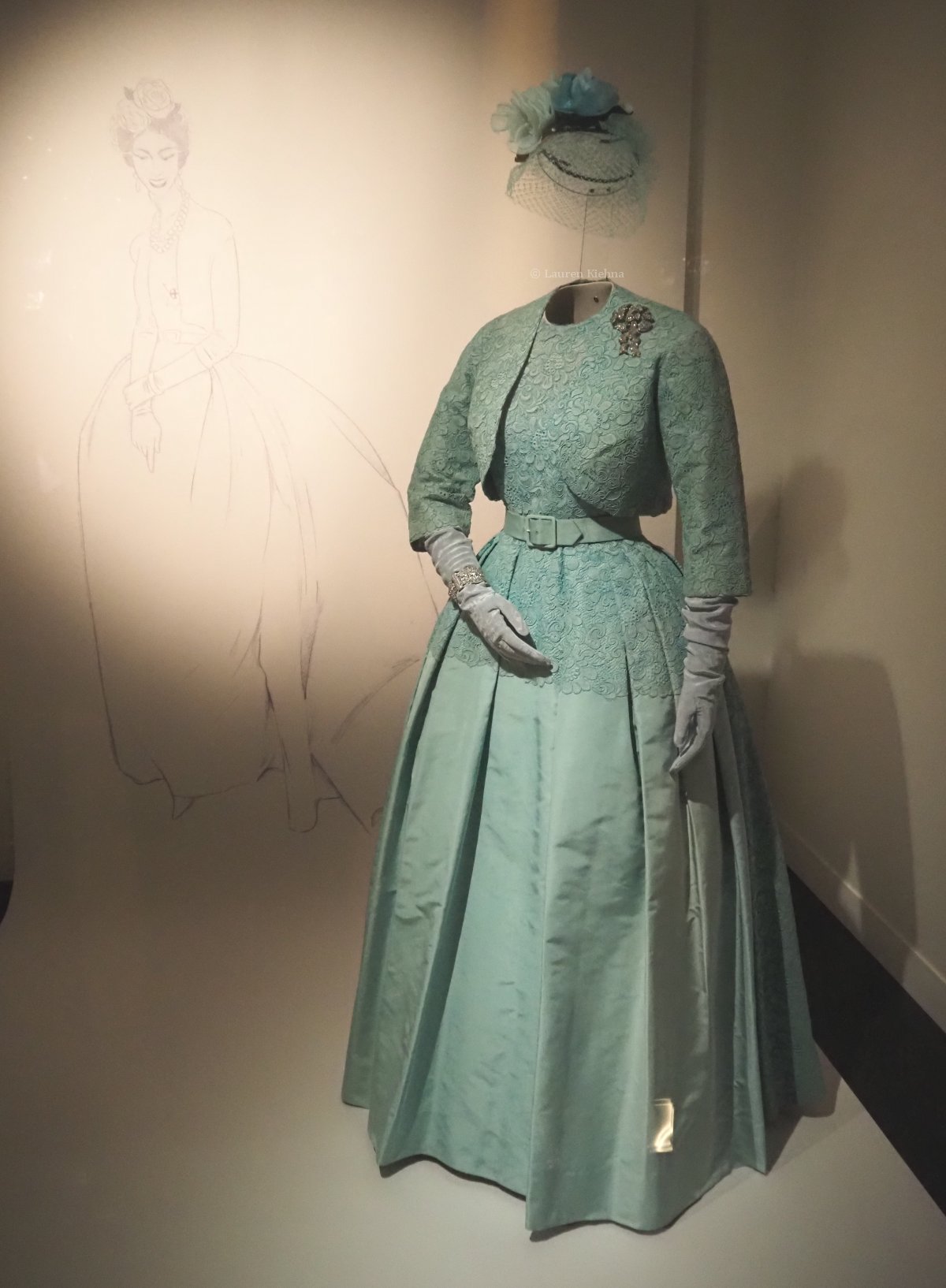
The other displayed ensemble is the iconic kingfisher blue dress, bolero, and hat worn by Elizabeth for Princess Margaret’s wedding in 1960. The jacket and dress were both made by Norman Hartnell, and the hat was a Claude St. Cyr creation. In the exhibition book, de Guitaut notes, “The occasion saw the last wearing of full-length dress at a royal wedding in England, thereby marking something of a turning point in fashion terms.”
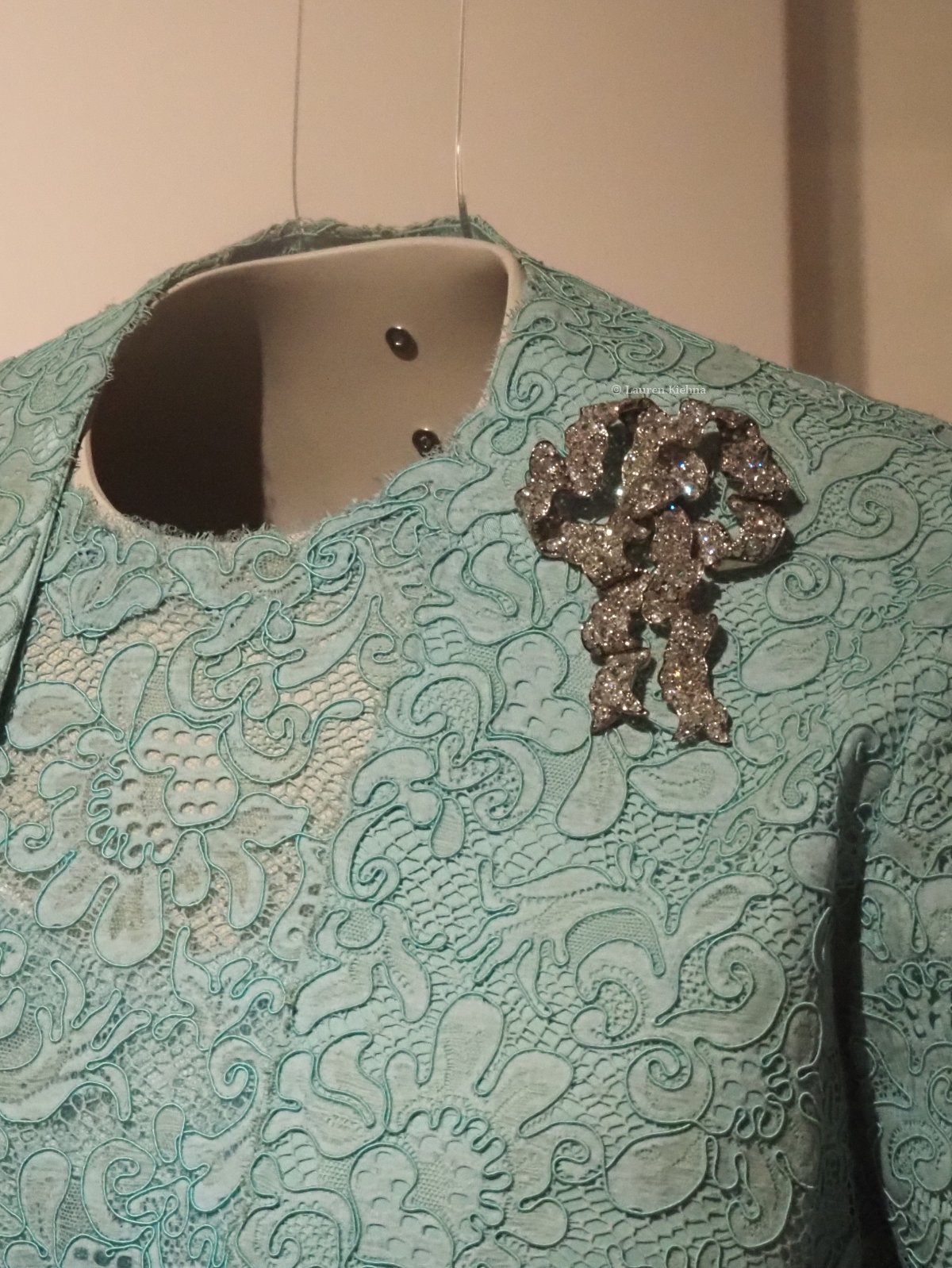
The dress is displayed with the brooch and bracelet that the Queen wore with the ensemble for the occasion. Here’s a good look at Queen Mary’s Lover’s Knot Brooch, which is pinned to the jacket. It’s a nineteenth-century piece, purchased by Queen Mary from Garrard in 1932. I like how this close-up shows that the cascading diamond ribbons echo the guipure lace on the bolero and dress.
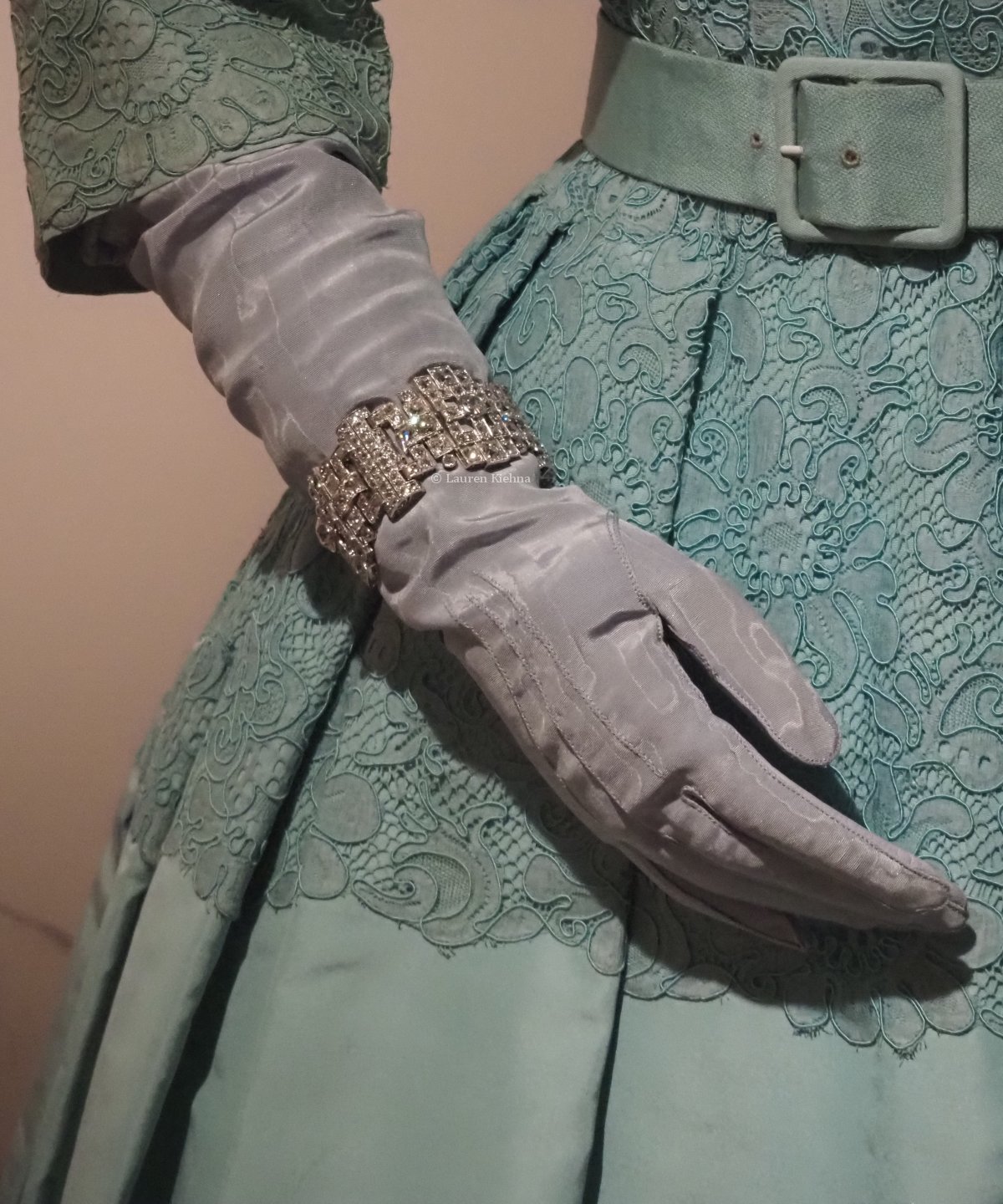
Another romantic jewel is also displayed with the outfit: the diamond bracelet commissioned by Prince Philip as a wedding present for Elizabeth in 1947. The diamonds used to make the piece came from a tiara given to his mother, Princess Alice, by the last Emperor and Empress of Russia in 1903.
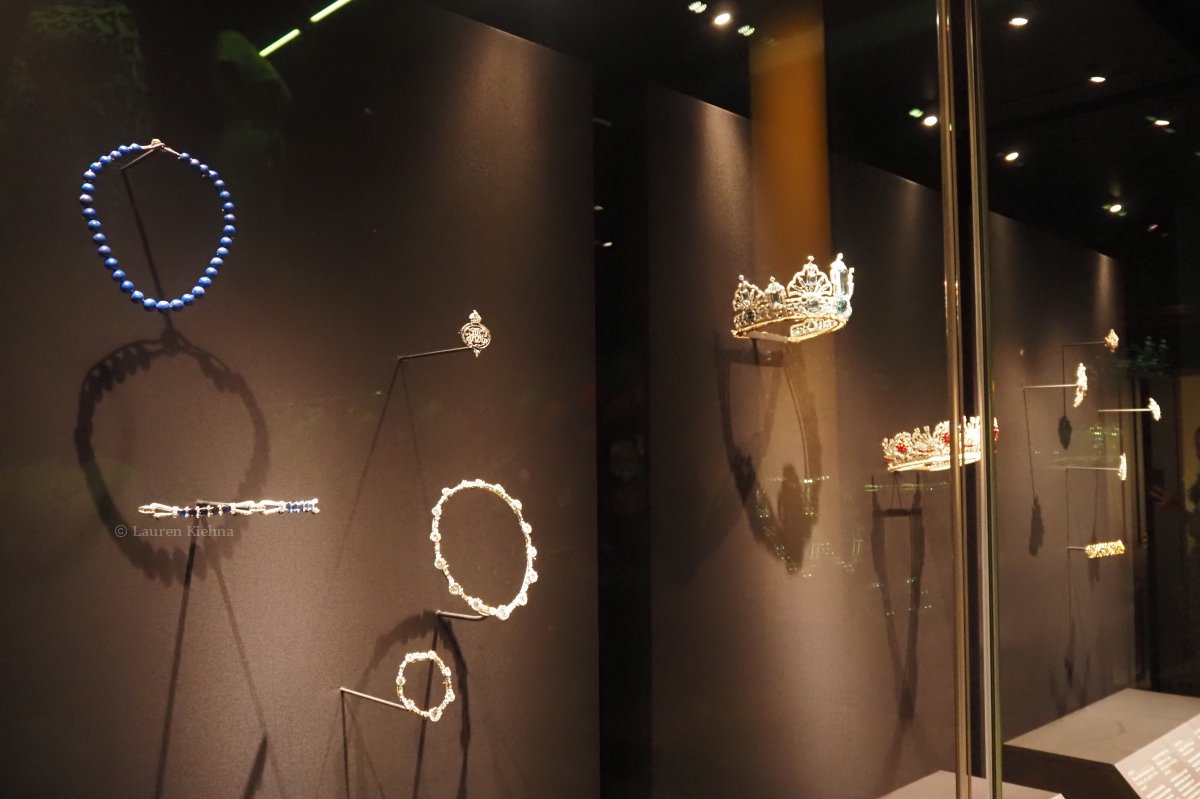
The last exhibition room also includes a full case of jewels associated with Elizabeth II, including necklaces, bracelets, brooches, and a pair of tiaras.
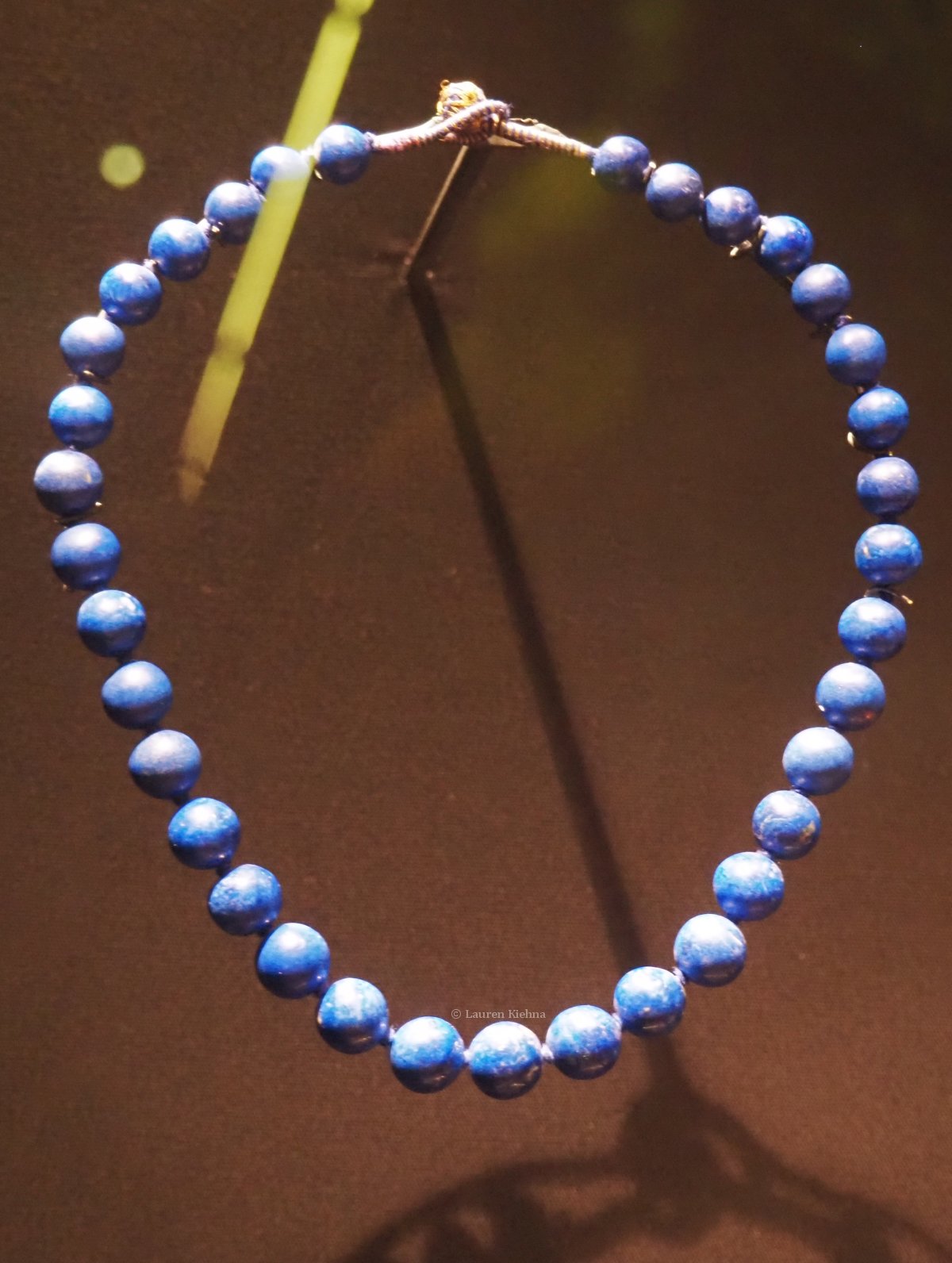
This unique lapis lazuli necklace is an early addition to Elizabeth’s jewelry collection. It was given to her in the summer of 1929, shortly after her third birthday, by Sir Francis Humphrys, the British Minister to Afghanistan. A note accompanying the necklace read, “H.R.H. Princess Elizabeth, A souvenir of Kabul and a vain attempt to match her eyes. From her humble admirer Francis Humphrys.”
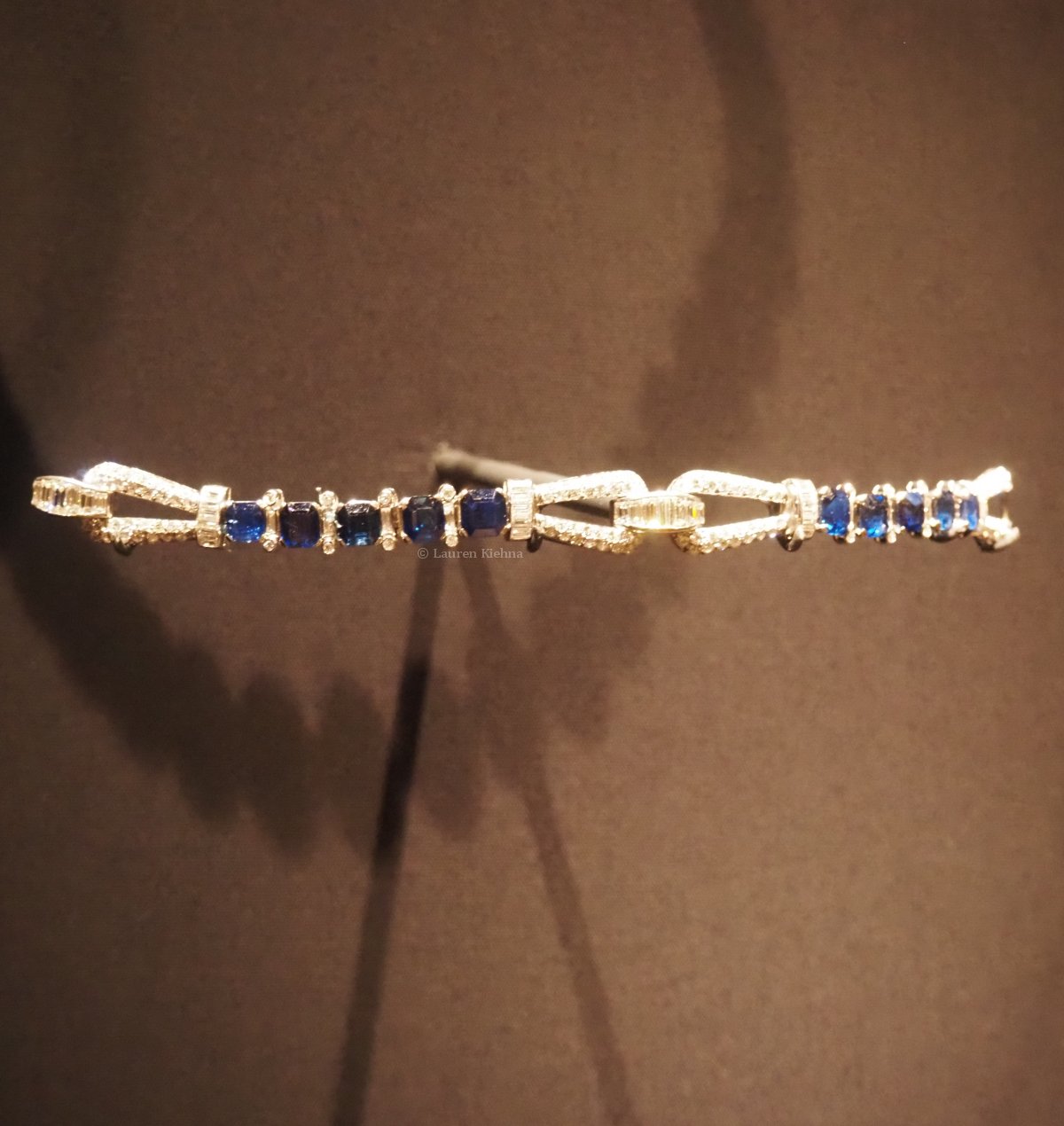
Another famous piece of blue royal jewelry is displayed in the same case: the Cartier sapphire and diamond bracelet given to Elizabeth by her father, King George VI, as an eighteenth-birthday gift in 1944. The bracelet was also on display in London last year as part of the Cartier exhibition at the V&A.
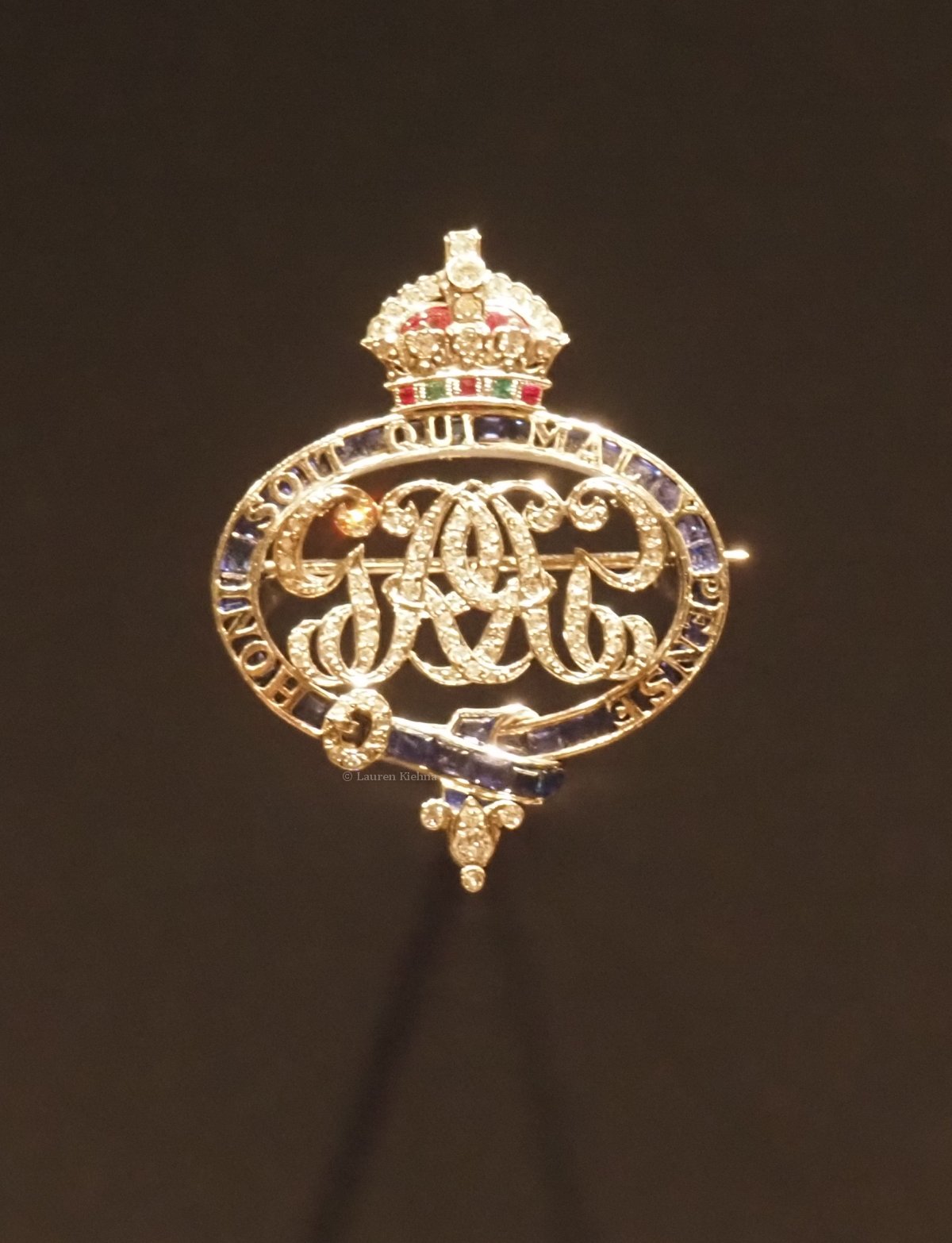
On her eighteenth birthday, Elizabeth posed for photographs with family members wearing this important jewel: a brooch in the shape of the badge of the Grenadier Guards. Elizabeth was named as the regiment’s colonel in 1942, and she treasured both the role and the badge for the rest of her life.
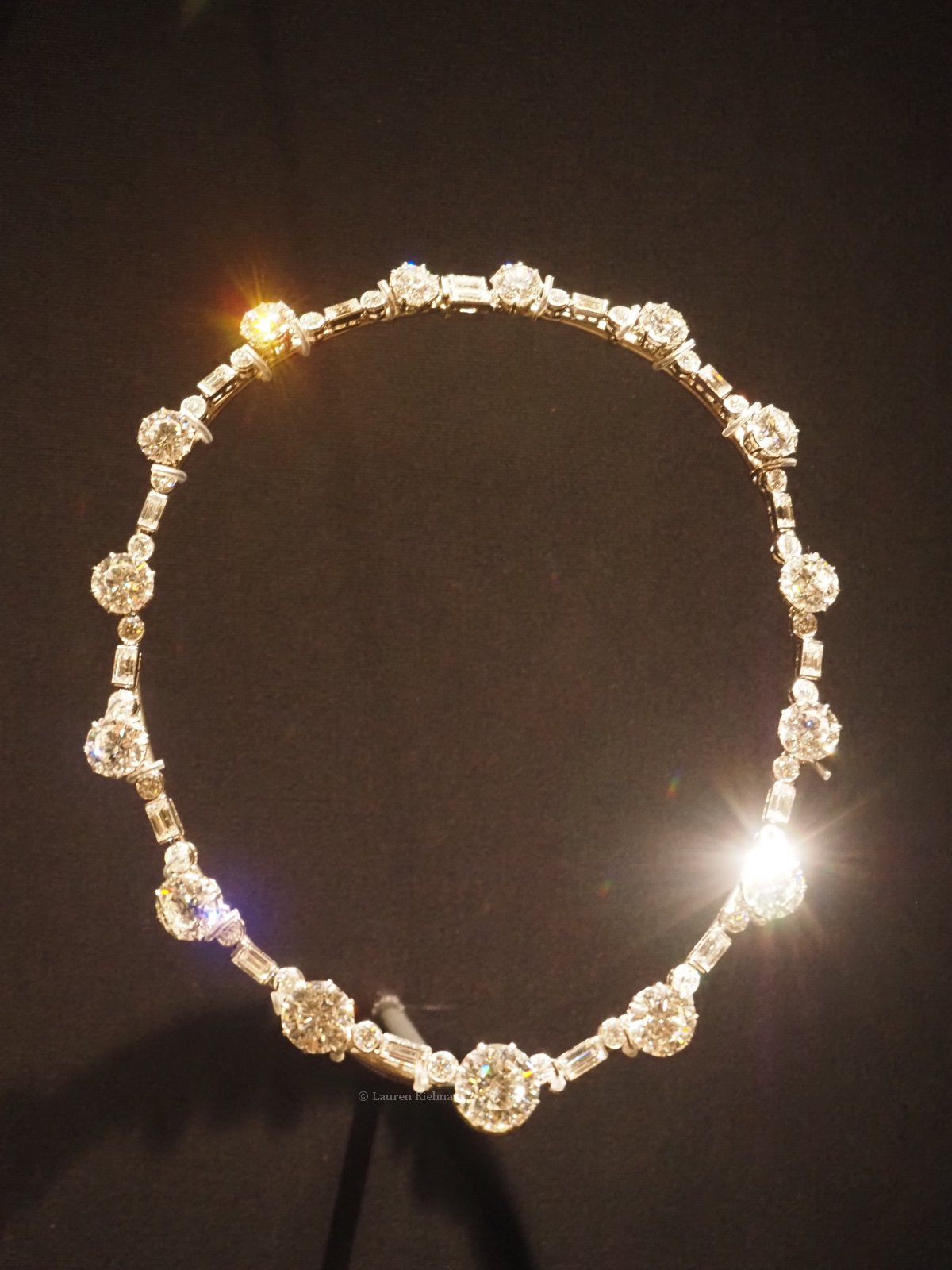
The first case also includes a spectacular suite of diamonds presented to Elizabeth on her twenty-first birthday in 1947. The diamond and platinum necklace was presented to the princess by Field Marshal Jan Smuts at her birthday gala in Cape Town during the royal tour of South Africa.
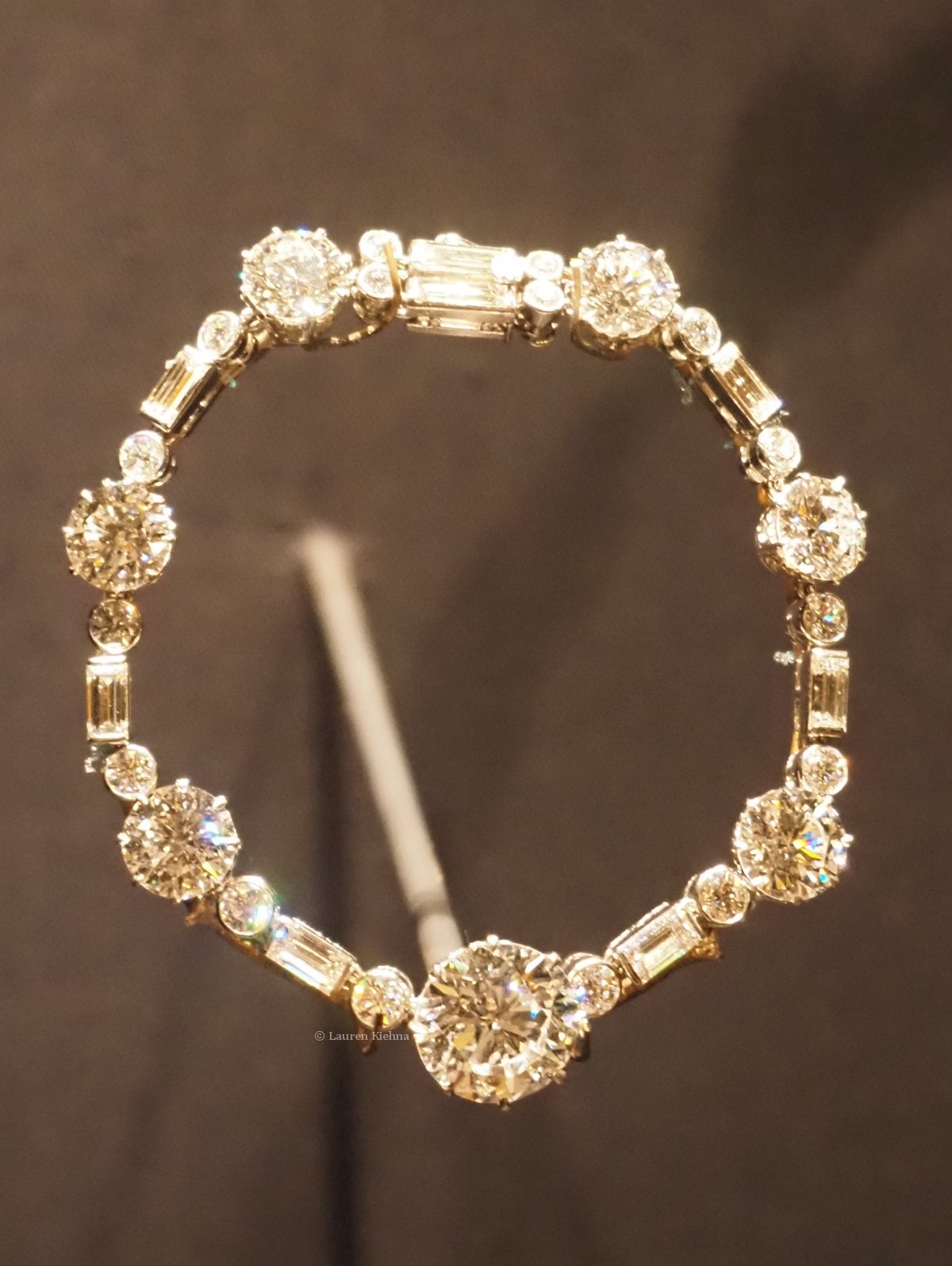
In 1952, Elizabeth had the necklace shortened. The remaining diamond sections were used to make a matching bracelet, which is also displayed alongside the necklace in the exhibition case. Elizabeth often called these her “best diamonds.”
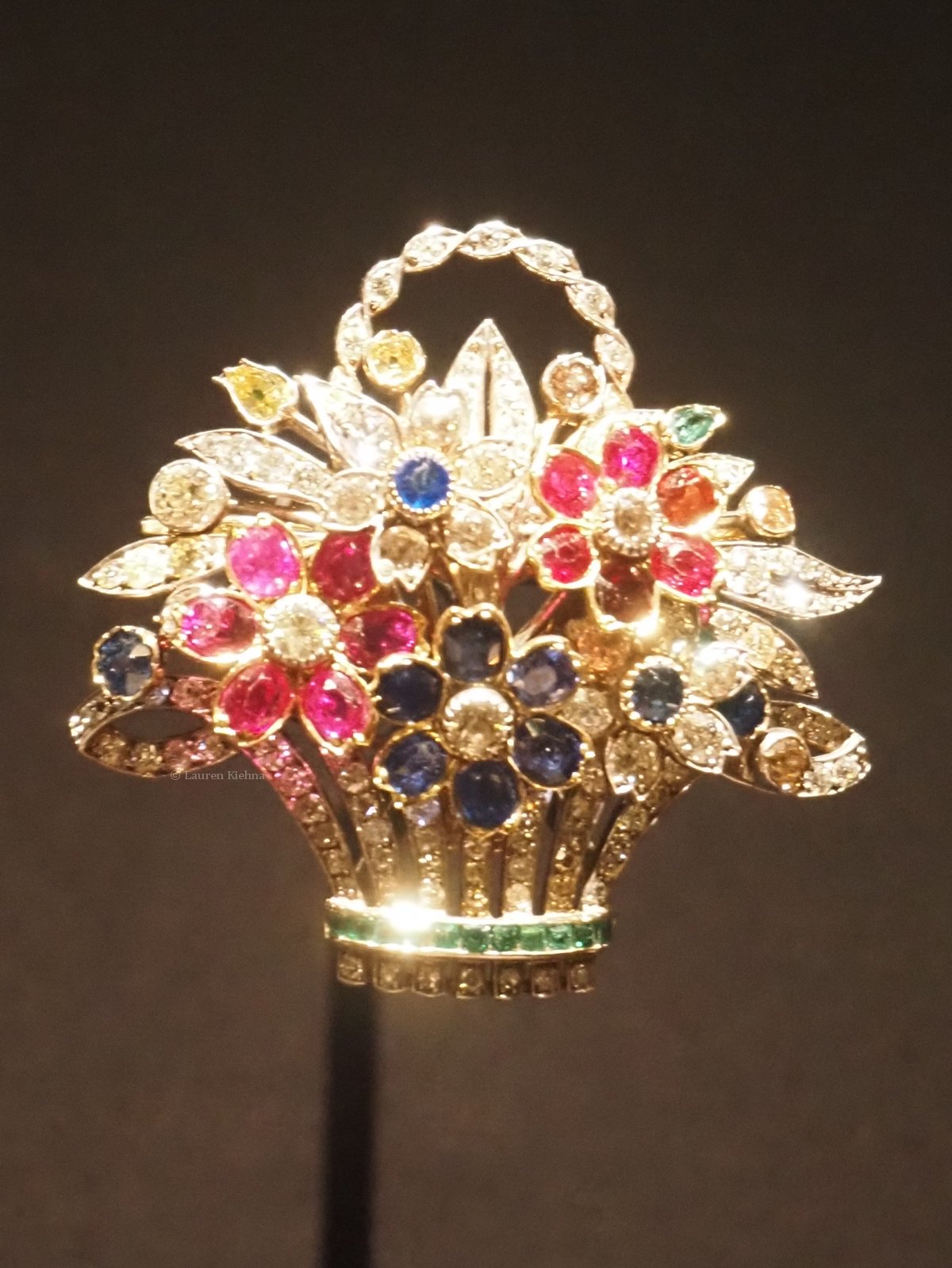
On the opposite side of the glass case is a selection of iconic brooches from Elizabeth’s collection. Here’s a closer look at the Flower Basket Brooch, which she borrowed from her mother as a teen. We’ve often been told that she subsequently received as a gift after the birth of King Charles III in 1948, but the exhibition book clarifies that she received the brooch from her parents as a Christmas gift in 1944.
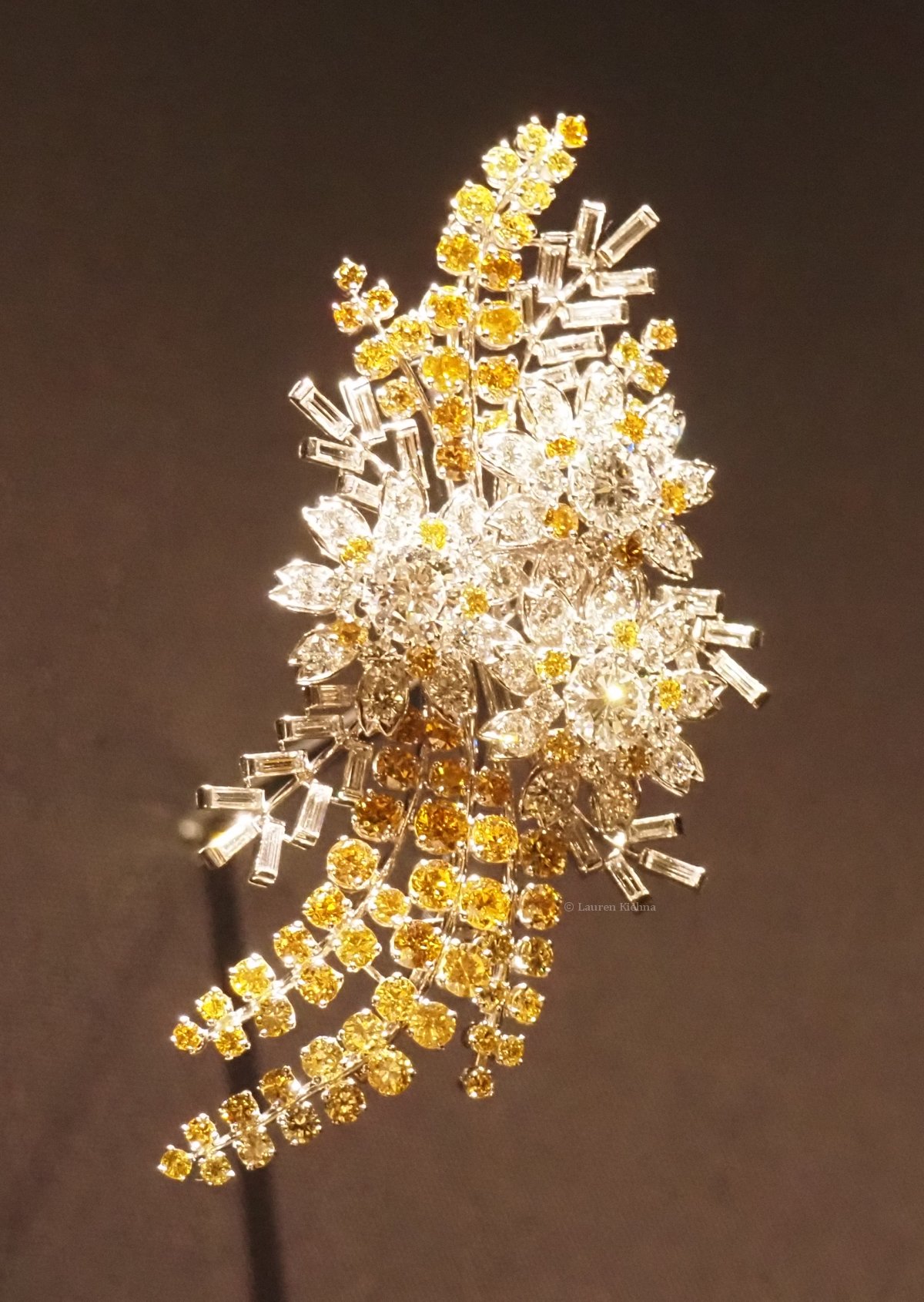
Also included is the Australian Wattle Brooch, which Elizabeth received as a coronation gift from the nation in 1954. The piece’s remarkable yellow diamonds glow particularly impressively under the gallery lights.
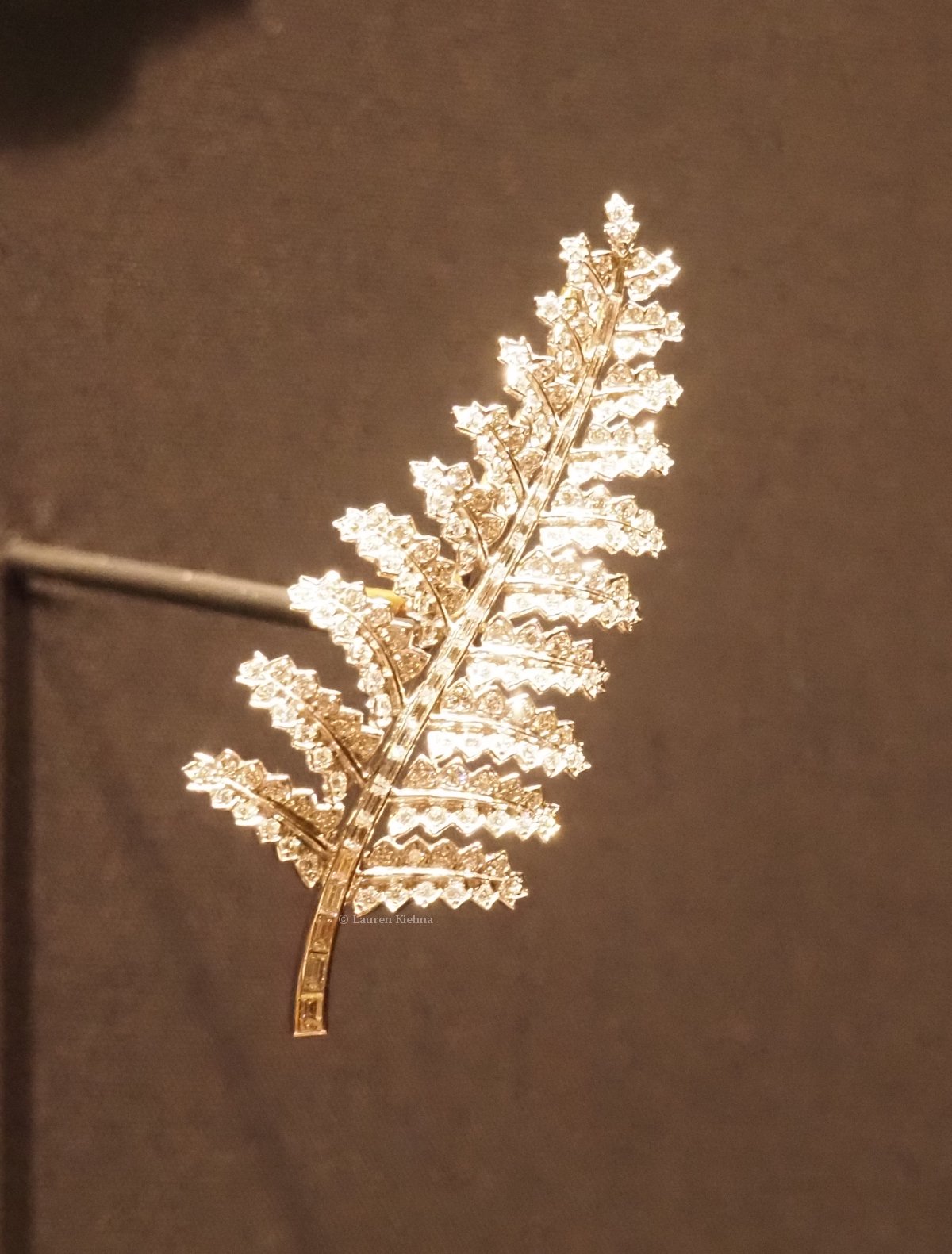
Nearby is another relic of the 1953-54 coronation tour of the Commonwealth: the Silver Fern Brooch, New Zealand’s coronation gift to the monarch. It was presented to Elizabeth in Auckland on Christmas Day in 1953, and she wore it often during the seven decades that followed.
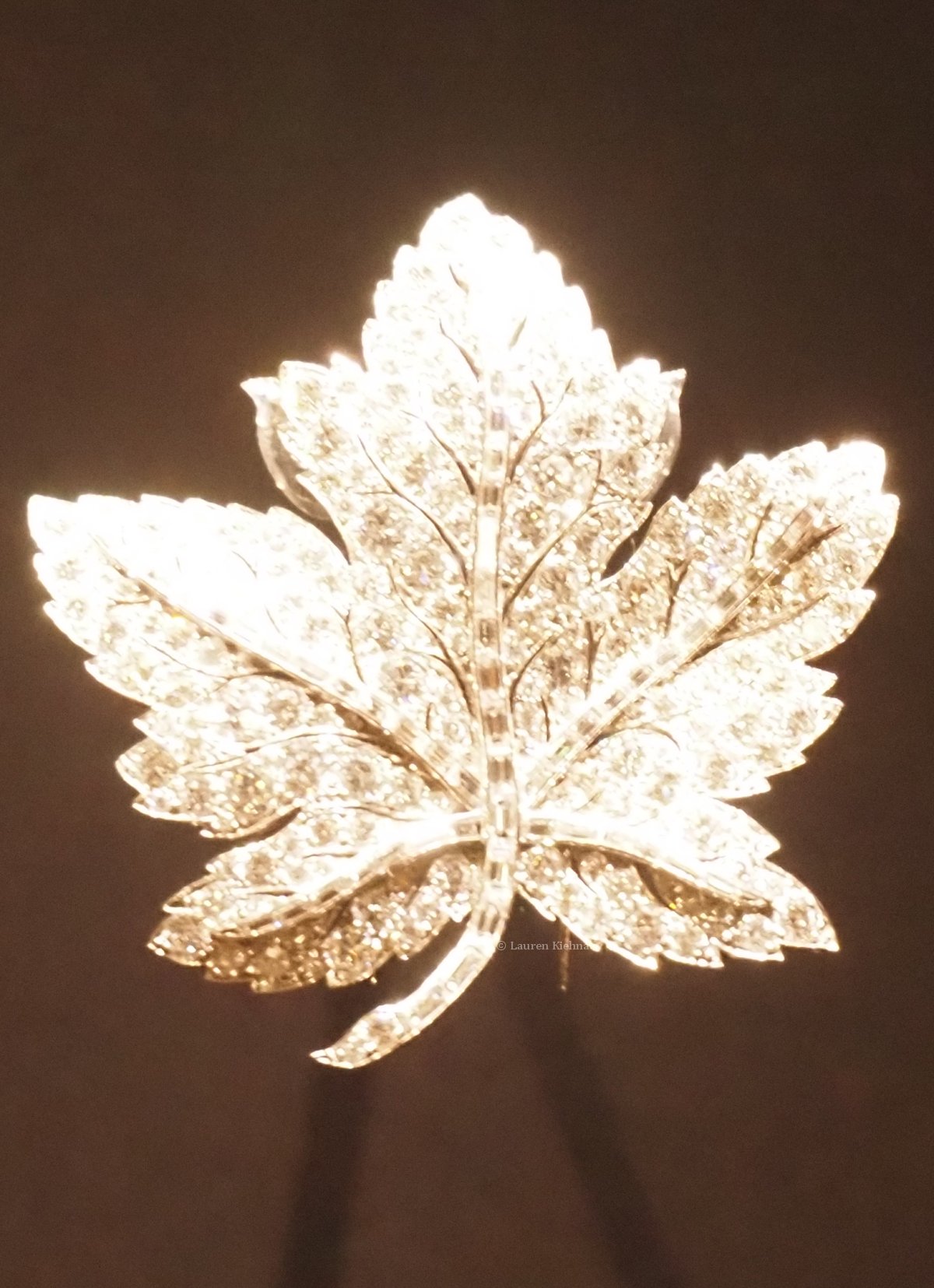
And opposite the Wattle, glittering so mightily that its details are almost impossible to photograph, is the Diamond Maple Leaf Brooch. King George VI gave the jewel to Queen Elizabeth (the Queen Mother) to commemorate their tour of Canada in 1939, and it’s been worn often by royal ladies during tours of Canada in the decades since.
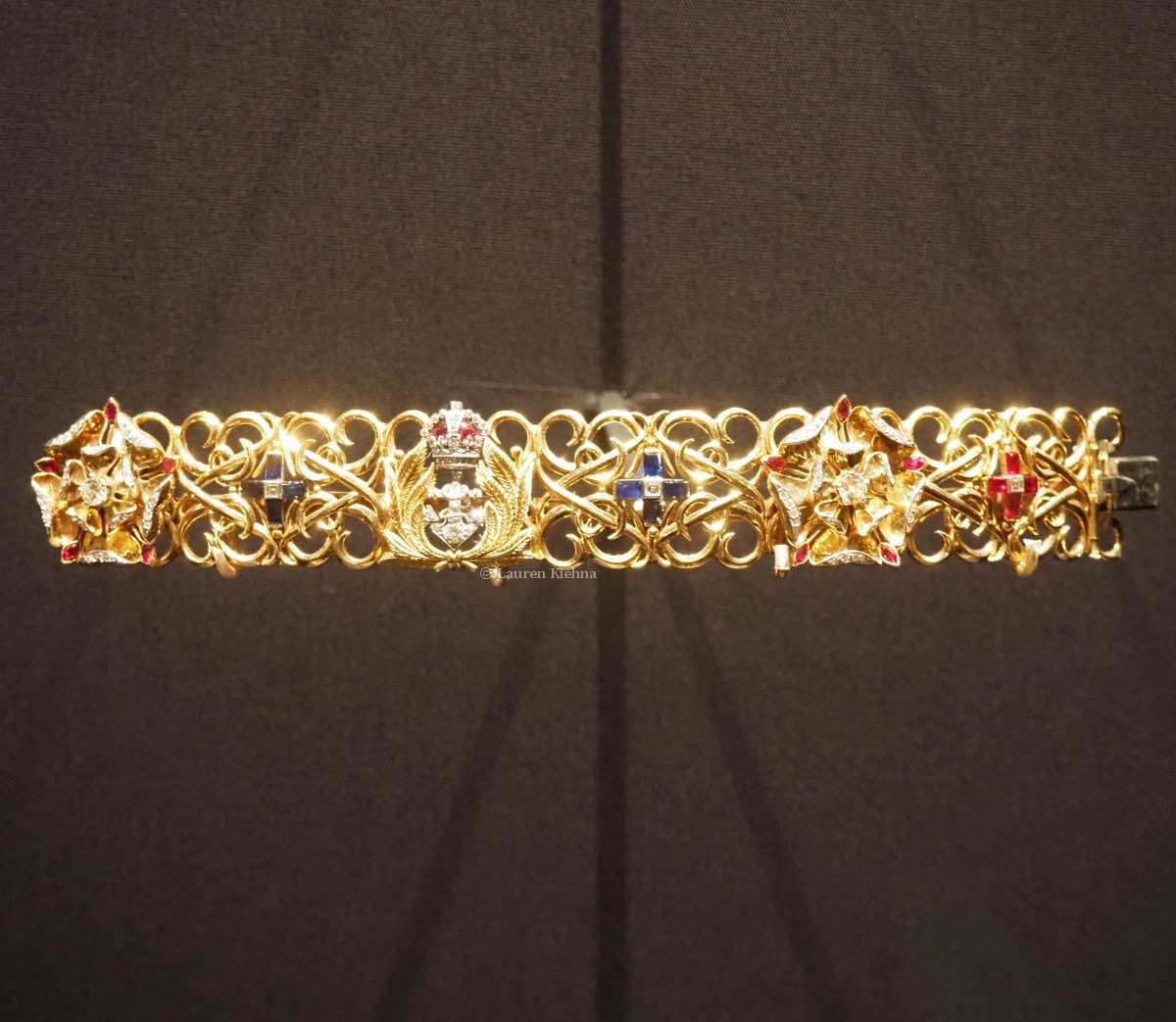
The final jewel in the case is a sentimental one: the bracelet designed by Prince Philip as a fifth wedding anniversary gift for Elizabeth in 1952. The bracelet features a pair of York roses, three Greek crosses, and Philip’s naval badge.
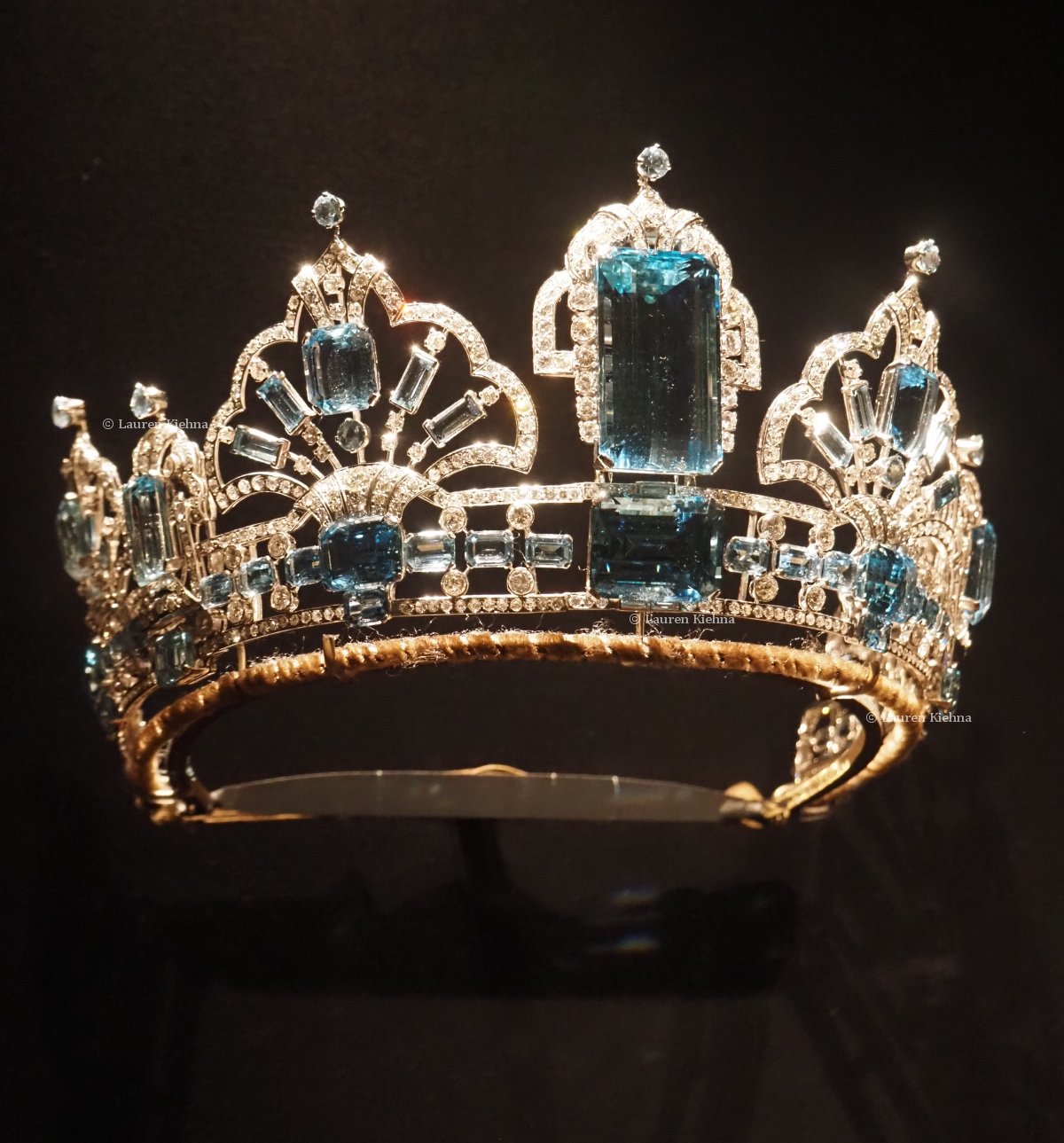
And right in the middle, you’ll find the tiaras. de Guitaut selected a pair of tiaras added to the family collection by Elizabeth. The people of Brazil gave Elizabeth a series of aquamarine-studded jewelry presents after her accession, and this tiara was made for her by Garrard using some of the stones in 1971. A bandeau tiara that Elizabeth had purchased in the 1950s was the base for the new, much taller, jewel.
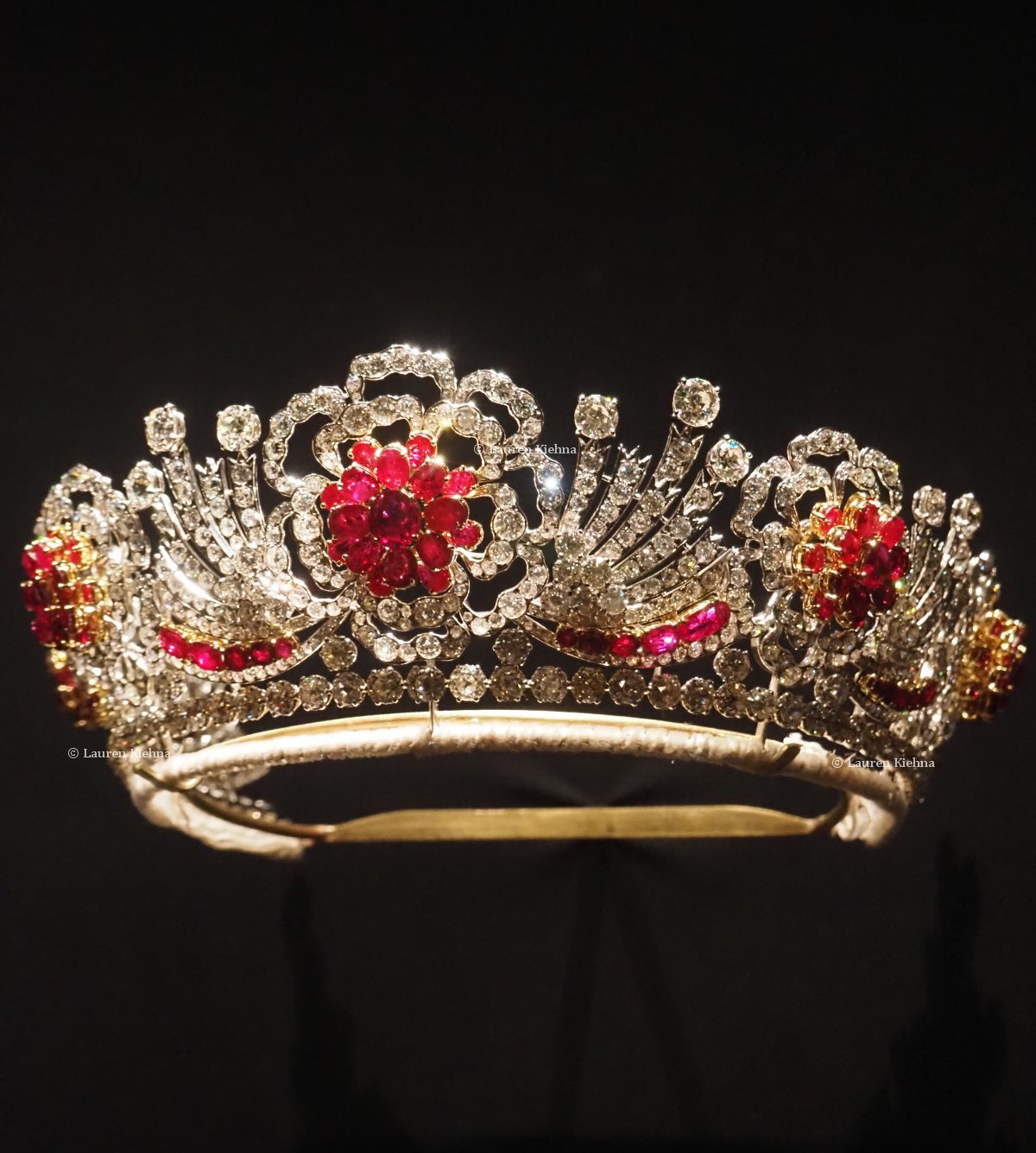
Beside it is the Burmese Ruby Tiara, also made by Garrard in 1971. The diamonds from the tiara were harvested from one of Elizabeth’s wedding presents, the Nizam of Hyderabad Tiara, while the rubies were a wedding gift from the colonial government of Burma.
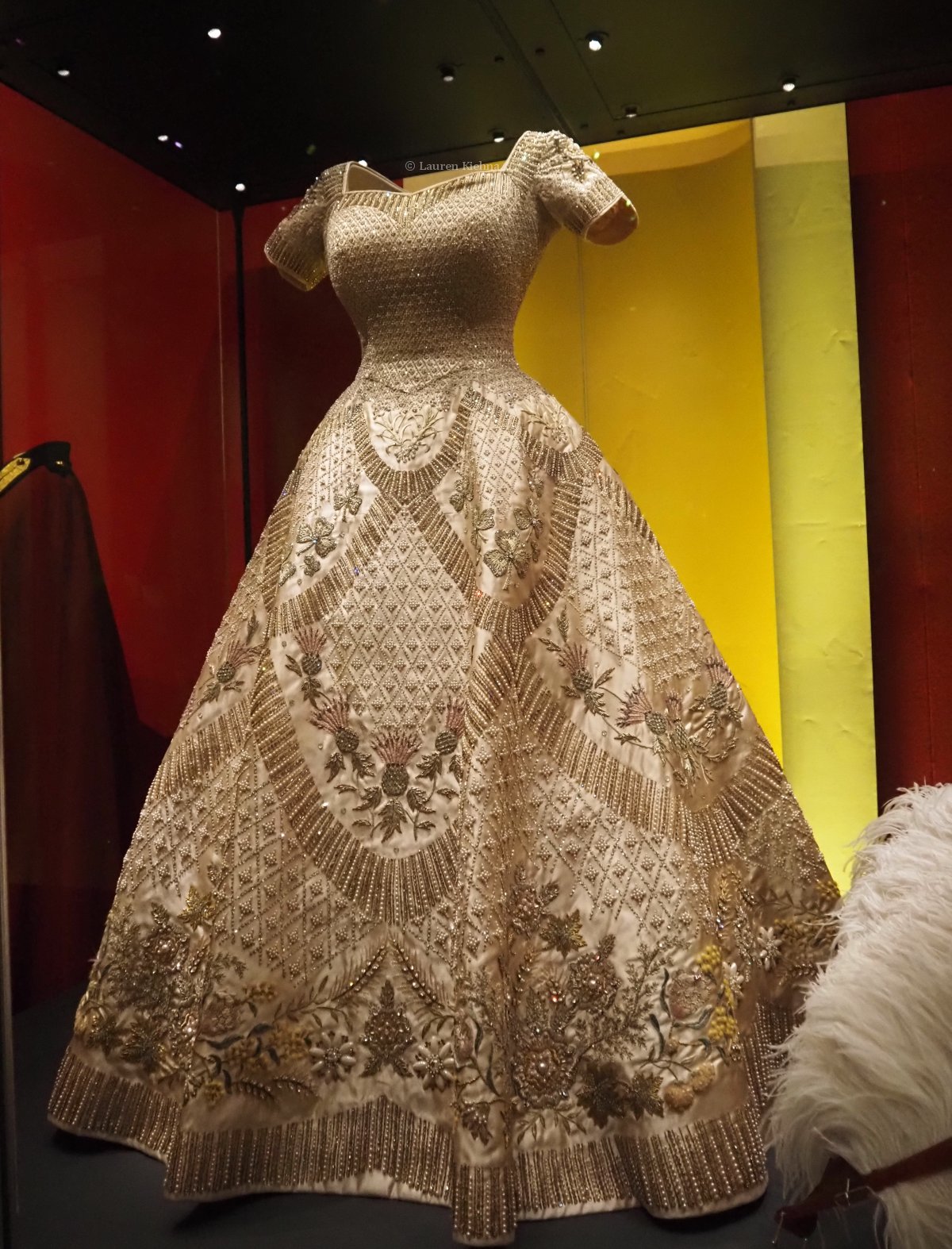
The jewels were beyond special, but I think the presentation of Elizabeth’s coronation gown might be the lasting memory for me from the exhibition. Seeing the 1953 Hartnell creation in person was almost overwhelming.
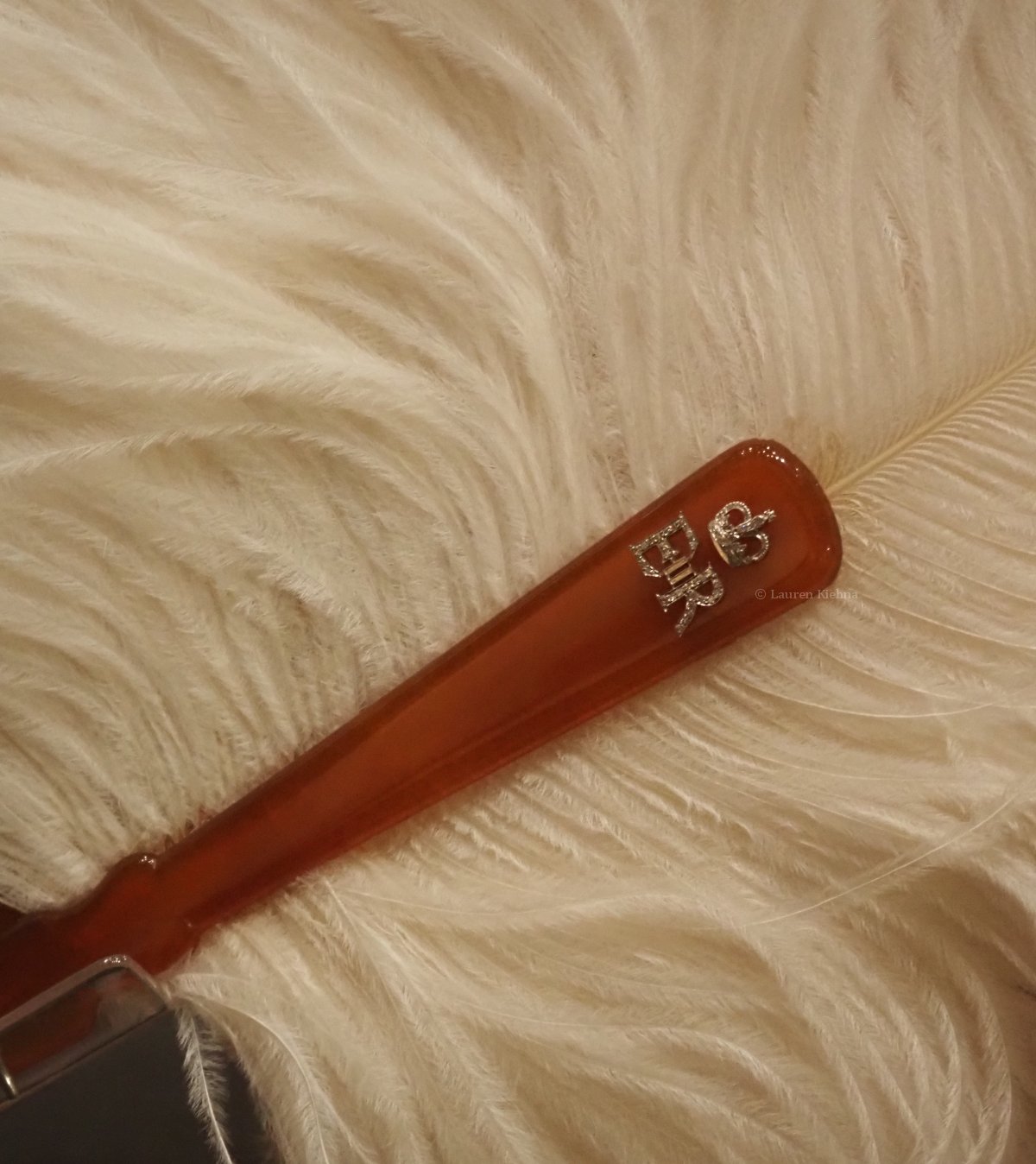
And here’s one more little bejeweled detail: the diamond-studded cypher on her coronation fan, which is shown beside the gown in the gallery case.
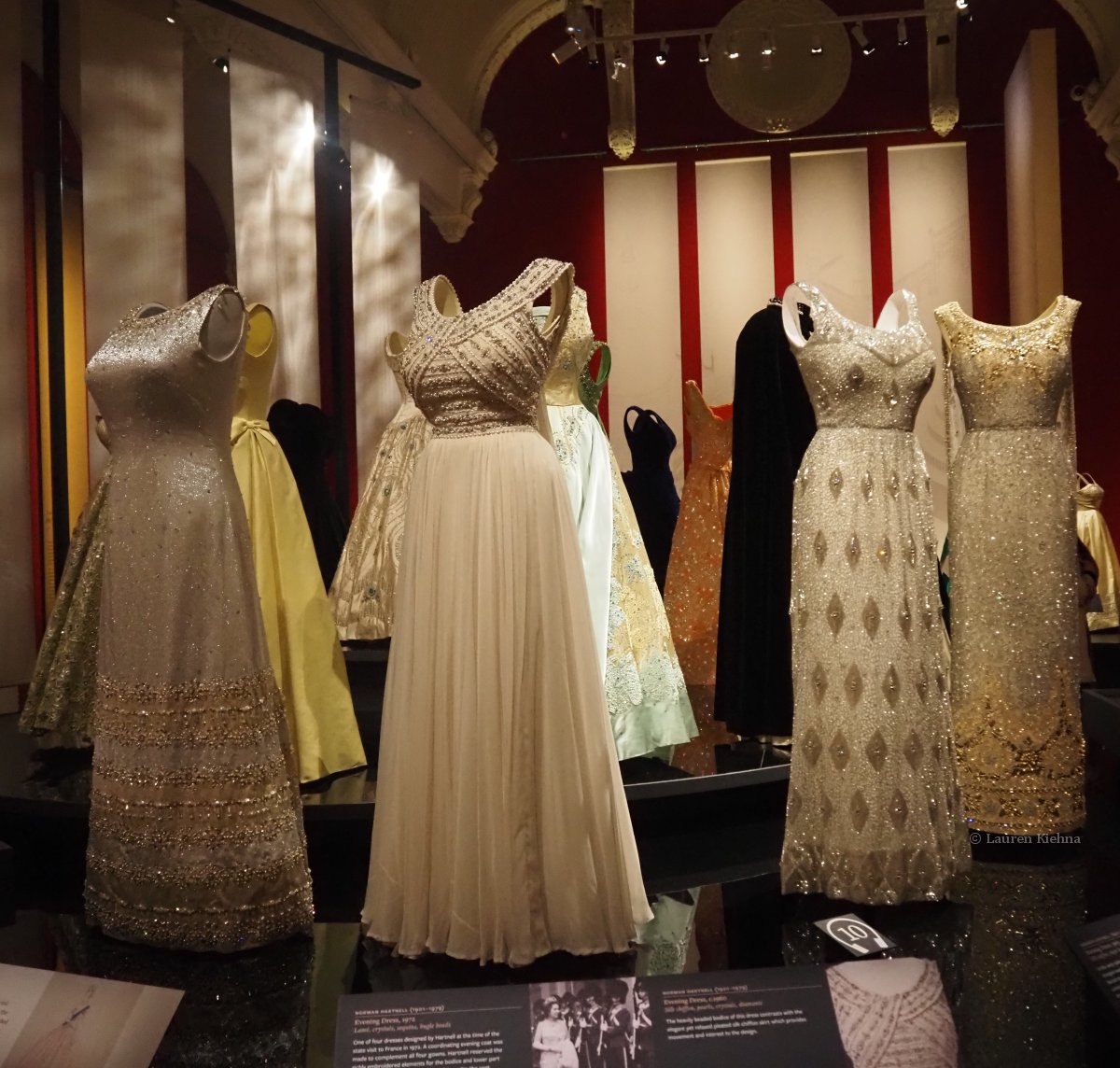
Queen Elizabeth II: Her Life in Style is proving popular with ticket-buyers, and for good reason: it’s a stunning exhibition and a worthy centenary tribute to the late monarch. You can catch it in London until October. My endless thanks to the Royal Collection Trust for inviting me to this year’s press preview.
Leave a Reply
You must be logged in to post a comment.