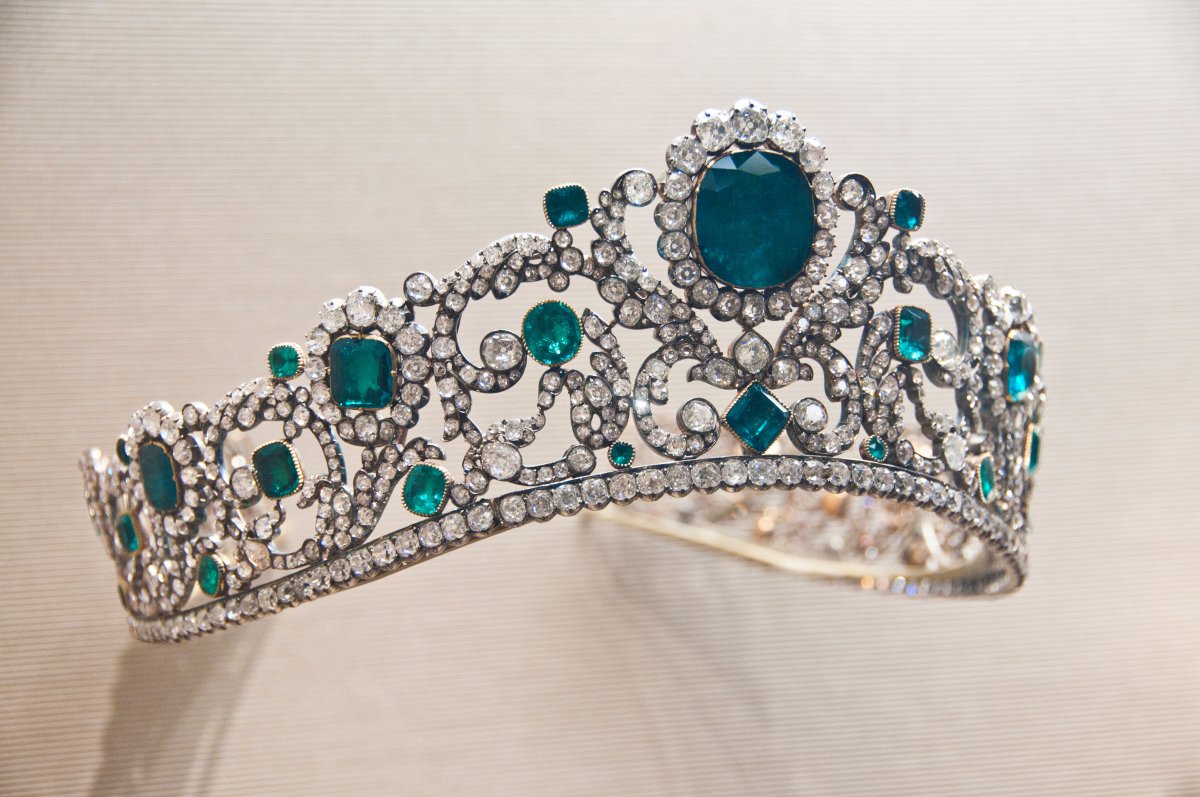
A week ago, in broad daylight, thieves stole two magnificent tiaras on display at the Louvre in Paris. But there was one more spectacular tiara in the glass cases that they didn’t manage to grab before their crime was discovered. Today, I’m bringing you the story of the Angoulême Emerald Tiara, an incredible royal jewel that has witnessed remarkable history—and, like its first owner, has now made a truly miraculous escape from a terrible fate.
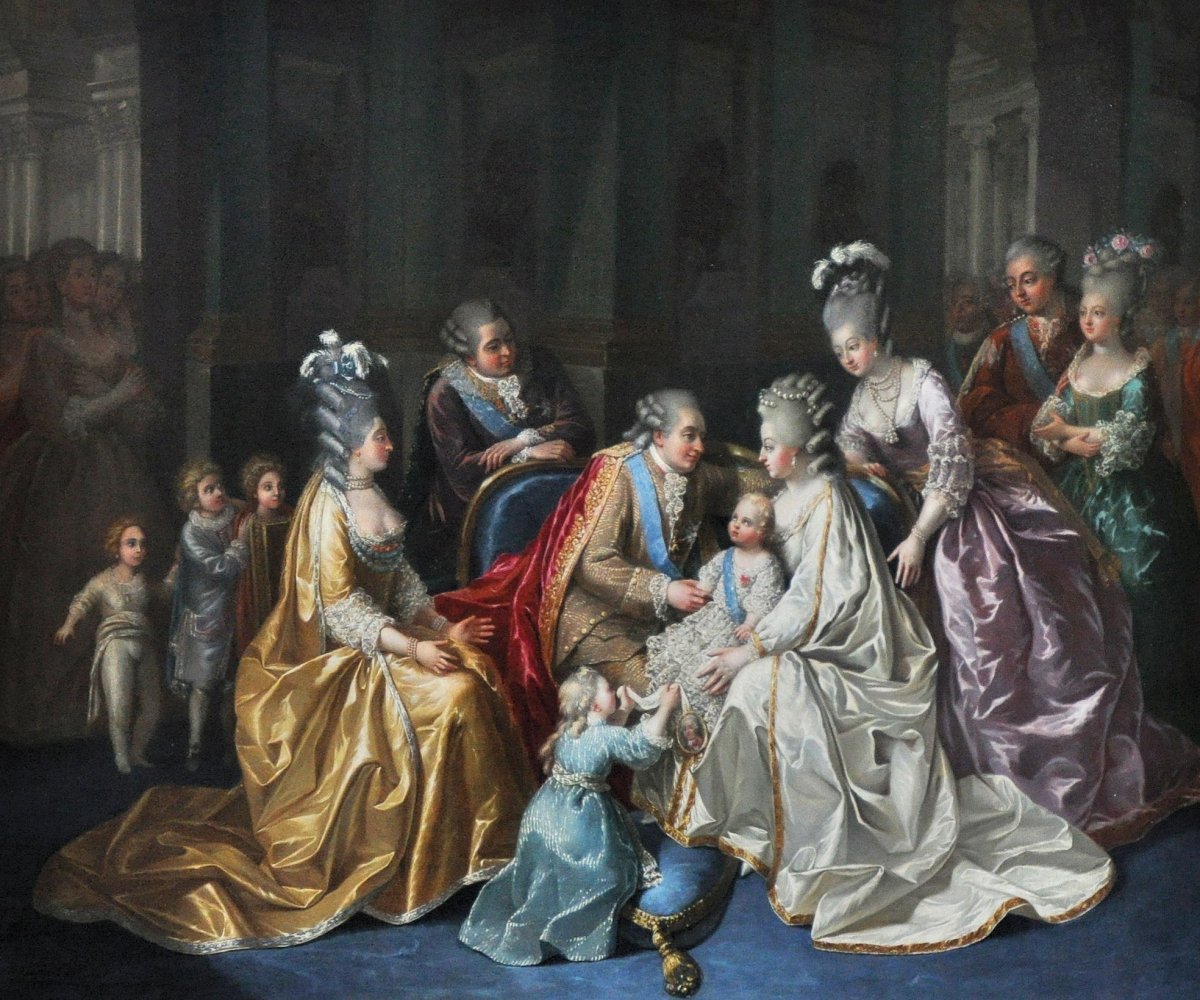
When revolution knocked the King of France from his throne in 1789, members of the royal family began to disappear one by one. Just one month before the storming of the Bastille, the King’s elder son and heir, the Dauphin, died of tuberculosis. In 1793, Louis XVI was executed. A few months later, Queen Marie Antoinette was guillotined, too. More relatives were also killed: the much-loathed Duke of Orléans, whose son would one day be king, and Madame Élisabeth, the late King’s youngest sister.
Louis and Marie Antoinette’s surviving children, Marie Thérèse and Louis Charles, were kept in prison in truly appalling conditions after the deaths of their parents. Ten-year-old Louis Charles did not survive the ordeal, passing away after extreme torment and neglect in 1795. Marie Thérèse, then just sixteen, was not told about the fates of her mother and her brother until months after Louis Charles’s death.
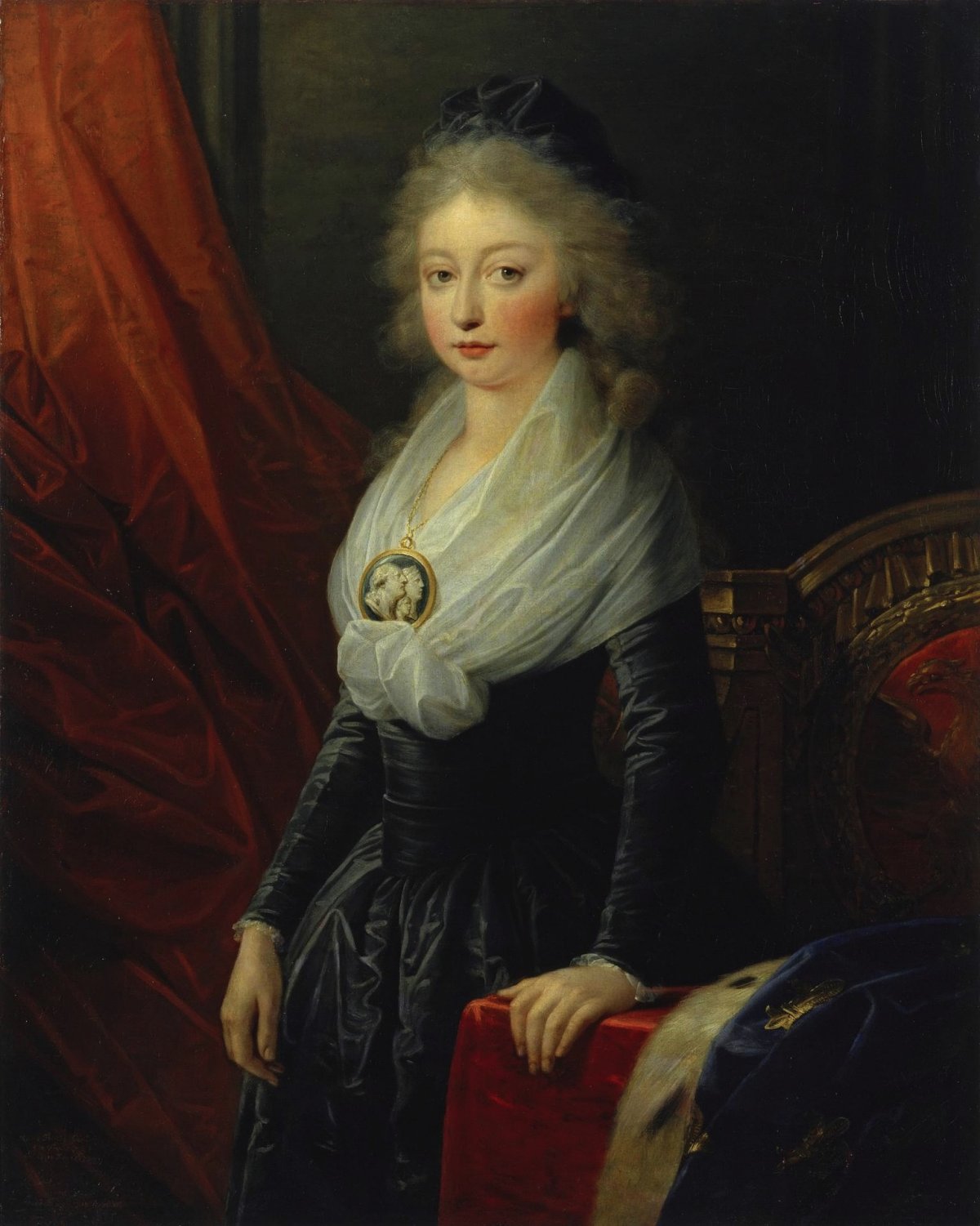
On the day before her seventeenth birthday, Marie Thérèse was finally released from prison. She was the only member of her immediate family to survive the Reign of Terror, and the experience left deep emotional scars that lingered for the rest of her life. From Paris, Marie Thérèse was sent to Vienna to live with her mother’s family. Before her marriage, Marie Antoinette had been an Austrian archduchess, and the head of the Habsburg family was now Marie Thérèse’s cousin, Emperor Francis II.
A family tussle over the marital prospects of the traumatized teenage princess ensued. Francis wanted to marry Marie Thérèse to his younger brother, Archduke Charles. At the same time, the head of the scattered French royal family, Marie Thérèse’s uncle, the Count of Provence, decided that his niece should wed her French cousin, Prince Louis Antoine, Duke of Angoulême.
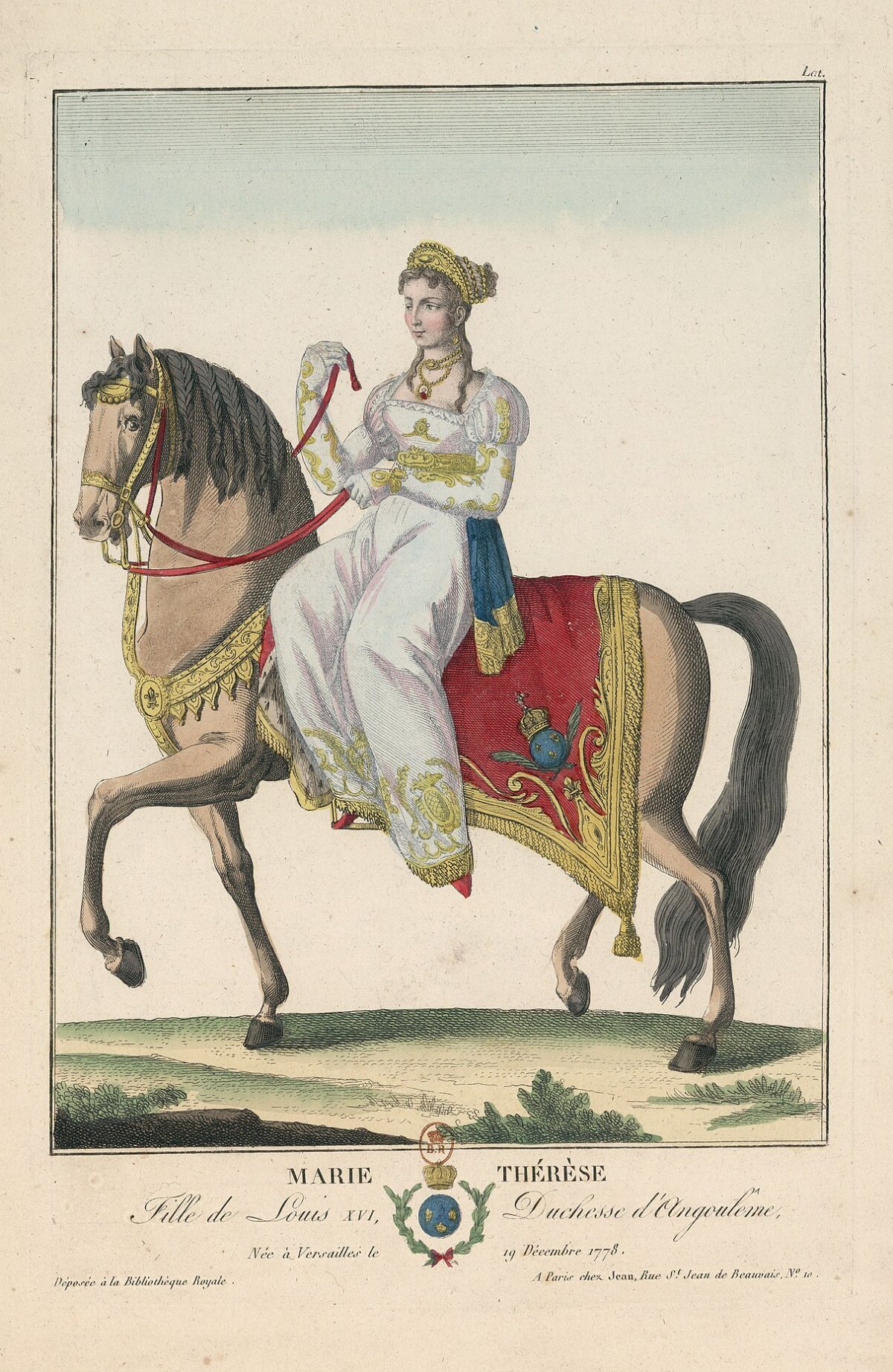
The French royal family won the argument. She agreed to marry Louis Antoine, who was three years her senior, in June 1799, while the entire family was living in exile in the Russian Empire. The wedding was celebrated just a few months before Napoléon Bonaparte seized power in France in a coup d’état. Even so, for royalists, the marriage of Louis Antoine and Marie Thérèse represented hope: it was a peek into a possible future when the Bourbons might one day be restored to the throne and the young couple would reign in France.
It took some time, but those hopes were eventually (sort of) fulfilled. Marie Thérèse spent the next fifteen years in exile, seeking refuge in various European countries before finally gaining a more lasting home in England. The royalists who hoped that Marie Thérèse would provide future heirs, though, were disappointed when she and Louis Antoine failed to have any children, but that should come as no real surprise, given the physical and psychological damage she suffered during the Reign of Terror, and the peripatetic, anxious life she lived afterward.
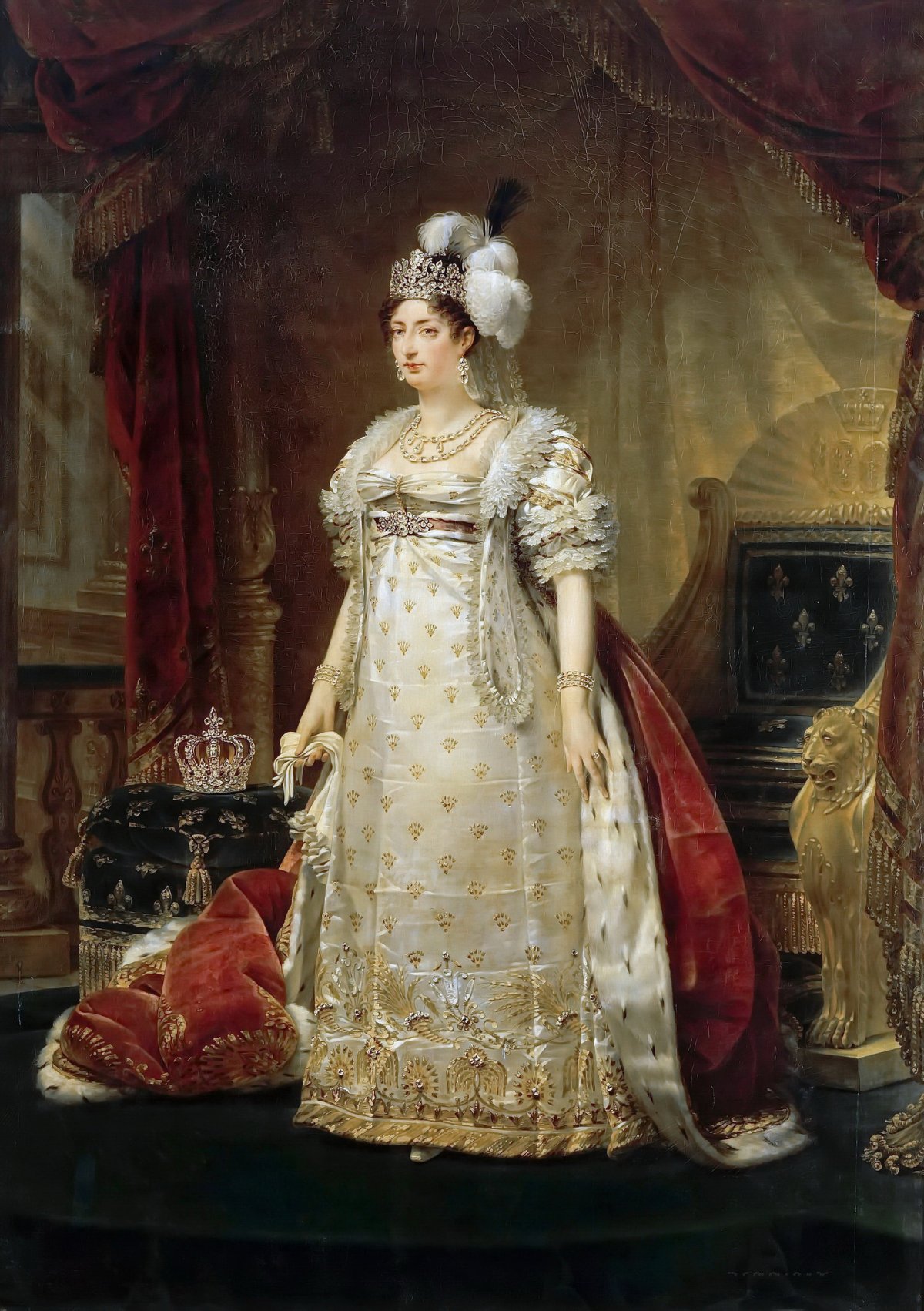
In 1814, when Napoléon was toppled, the French decided to ask the Bourbons to return. The Count of Provence entered Paris triumphantly to claim the throne as King Louis XVIII, with Marie Thérèse by his side. The princess was perhaps the most popular member of the restored royal family, both before and after Napoléon’s attempt to regain power in 1815. Bonaparte is said to have called Marie Thérèse “the only man in her family.”
But returning to France was a major emotional strain for the princess, who was by now in her mid-30s. She supervised the reburial of her parents and faced down numerous men who falsely claimed to be her brother, stating that he’d not actually died in prison. (He had.) When Napoléon was gone for good, Marie Thérèse finally settled somewhat into her role as the senior royal lady at court, stepping into her late mother’s footsteps.
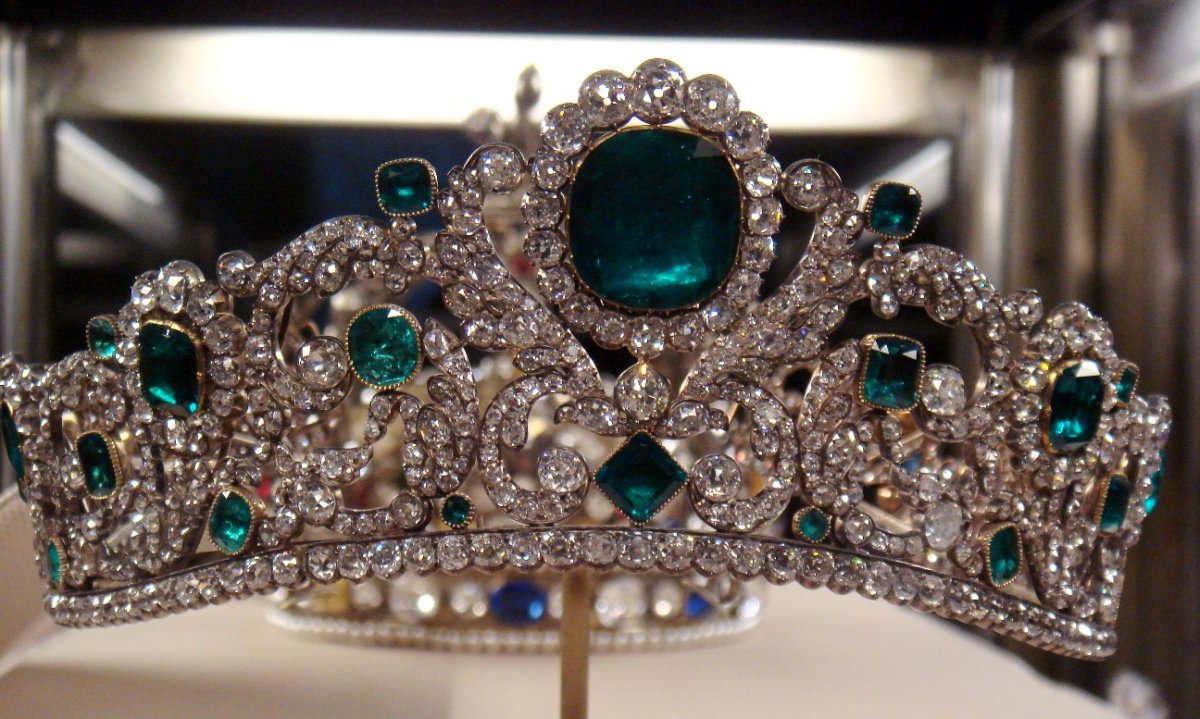
Marie Thérèse’s prominent position required major jewels. She had some pieces that had belonged to her late mother, who had sent a trunk of jewels to Belgium when things started to get dicey during the revolution. Those jewels had been reunited with Marie Thérèse when she arrived in Vienna after her imprisonment. But times and fashions had changed since then. With her uncle’s blessing, she had some of the state-owned jewels left behind by the Bonapartes remade to suit her.
Among these was a spectacular tiara of diamonds and emeralds. Fourteen emeralds from the crown jewel collection were used in 1819 by Maison Bapst, the crown jeweler, to make the new tiara for Marie Thérèse. Four of the largest emeralds were acquired by Louis XVIII specifically for the project. In total, 40 emeralds and 1031 diamonds were set in the tiara, which the Louvre calls a “masterpiece of Restoration jewelry.”
Marie Thérèse often wore the emerald and diamond tiara with other pieces of emerald jewelry from her personal collection, including a necklace, bracelet, and earrings made for her by Paul-Nicolas Ménière. When the Bourbons were sent into exile yet again in 1830, Marie Thérèse took the Ménière emeralds with her. But she left all jewels that she considered to be state property behind in Paris, including the emerald and diamond tiara.
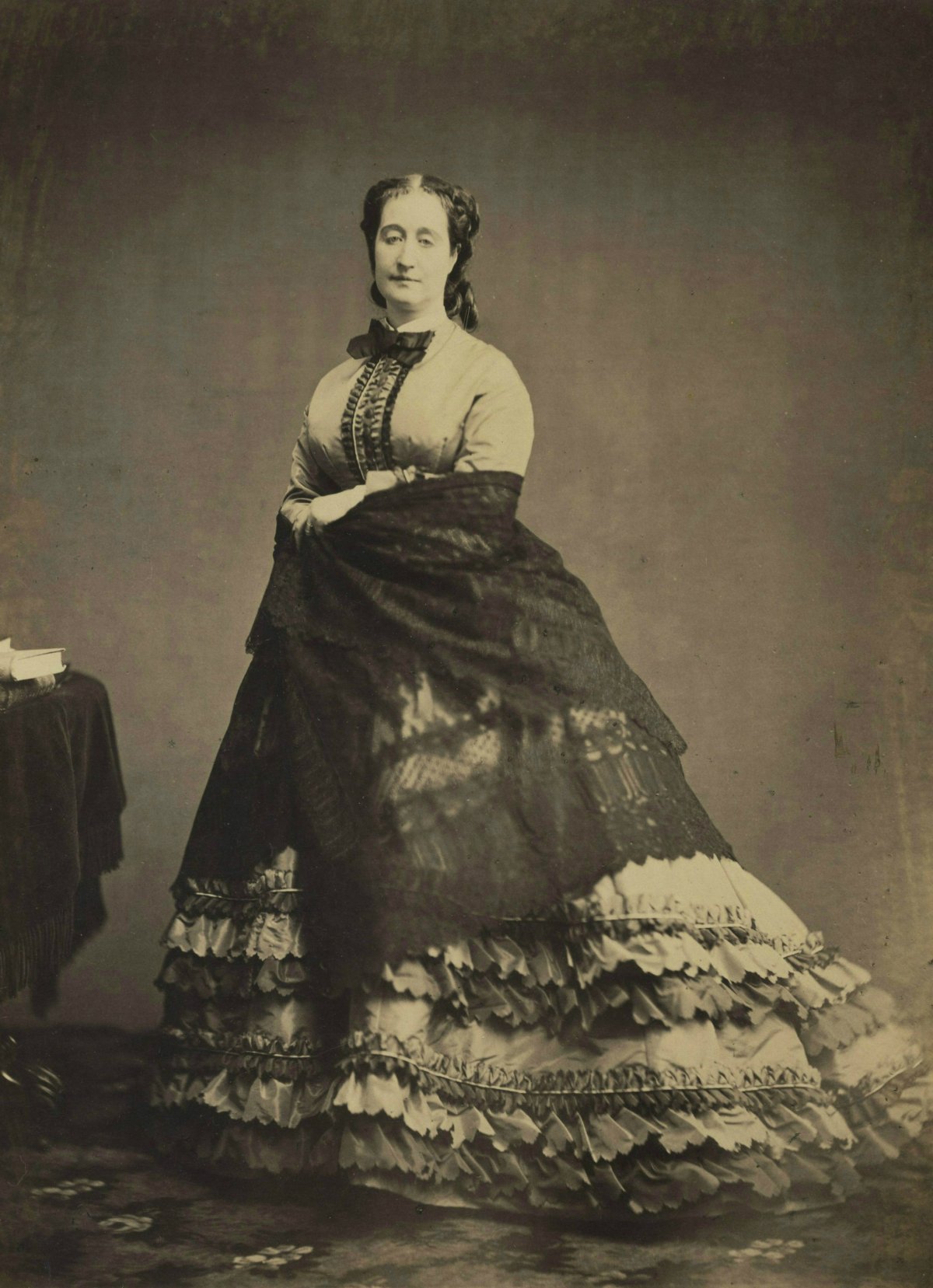
The next Queen of France—Marie Thérèse’s first cousin, Marie Amélie—cultivated a simpler image and chose not to wear the grand state jewels in the treasury. But her successor in the role, the eventual Empress Eugénie, loved the emerald and diamond tiara. She loved the way that emerald jewelry looked against her red hair, and she wore the tiara often during the reign of her husband, Emperor Napoléon III.
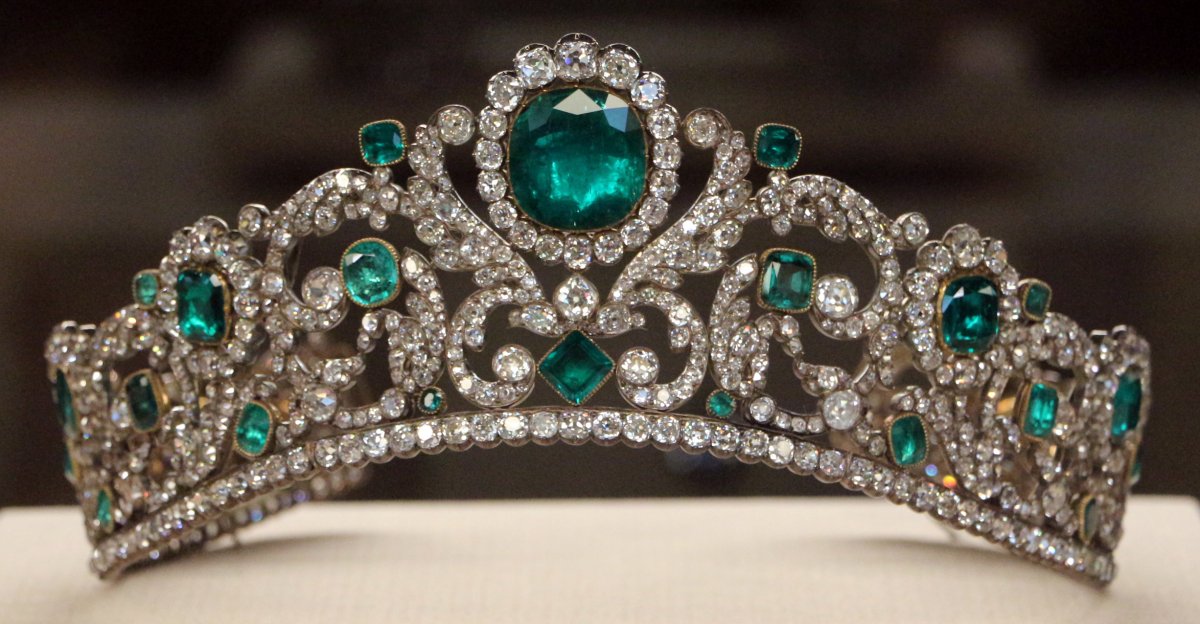
After Napoléon III was kicked off the throne, the French decided that it was time to get rid of the crown jewels, too. (“Without a crown, no need for a king,” one government official is said to have explained.) The emerald and diamond tiara was included in an enormous sale of the French state jewelry collection in 1887. The tiara ended up with an aristocratic Hungarian painter, Count Emanuel Andrassy. His descendants sold the tiara at Sotheby’s in 1954, after which it made its way into the collection of Lord Lambton, the disgraced MP who became the 6th Earl of Durham but disclaimed the title soon afterward.
By 2002, the tiara was on the market again. This time, the jewel was acquired by the Louvre Museum, with help from the Heritage Fund. The emerald tiara arrived at the museum later that year and was placed on display alongside the sapphire parure that belonged to Queen Marie Amélie. The case that held the tiara was changed in 2019 when the Gallerie d’Apollon was renovated that year. Sadly, the new cases proved no match for the thieves that stormed the gallery on October 19.
The sapphire tiara and necklace, plus one of the earrings, were taken, along with numerous other pieces of jewelry. But the theft was discovered in progress before the diamond and emerald tiara could be removed from the display. Just like the woman for whom it was created, the emerald and diamond tiara once again escaped an uncertain fate. Here’s hoping that, whenever the Louvre decides how and when to display it again, the story of Marie Thérèse will feature prominently in the exhibition.
Leave a Reply
You must be logged in to post a comment.