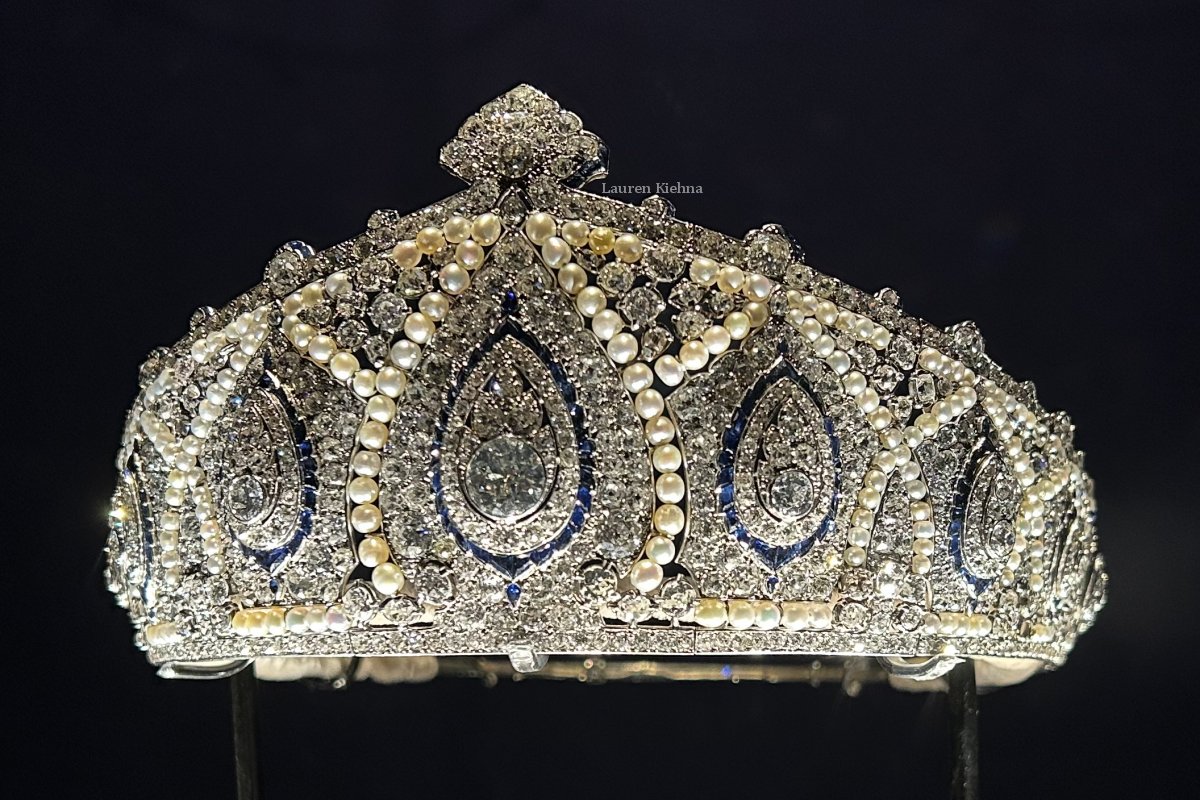
Today at Hidden Gems, I shared the first installment of a series on the courtship and wedding of Princess Marie Louise, one of Queen Victoria’s granddaughters. As a bonus here today, I’m bringing you a selection of articles featuring various tiaras owned and worn by some of Victoria’s granddaughters, including Marie Louise’s own stunning Cartier diadem.
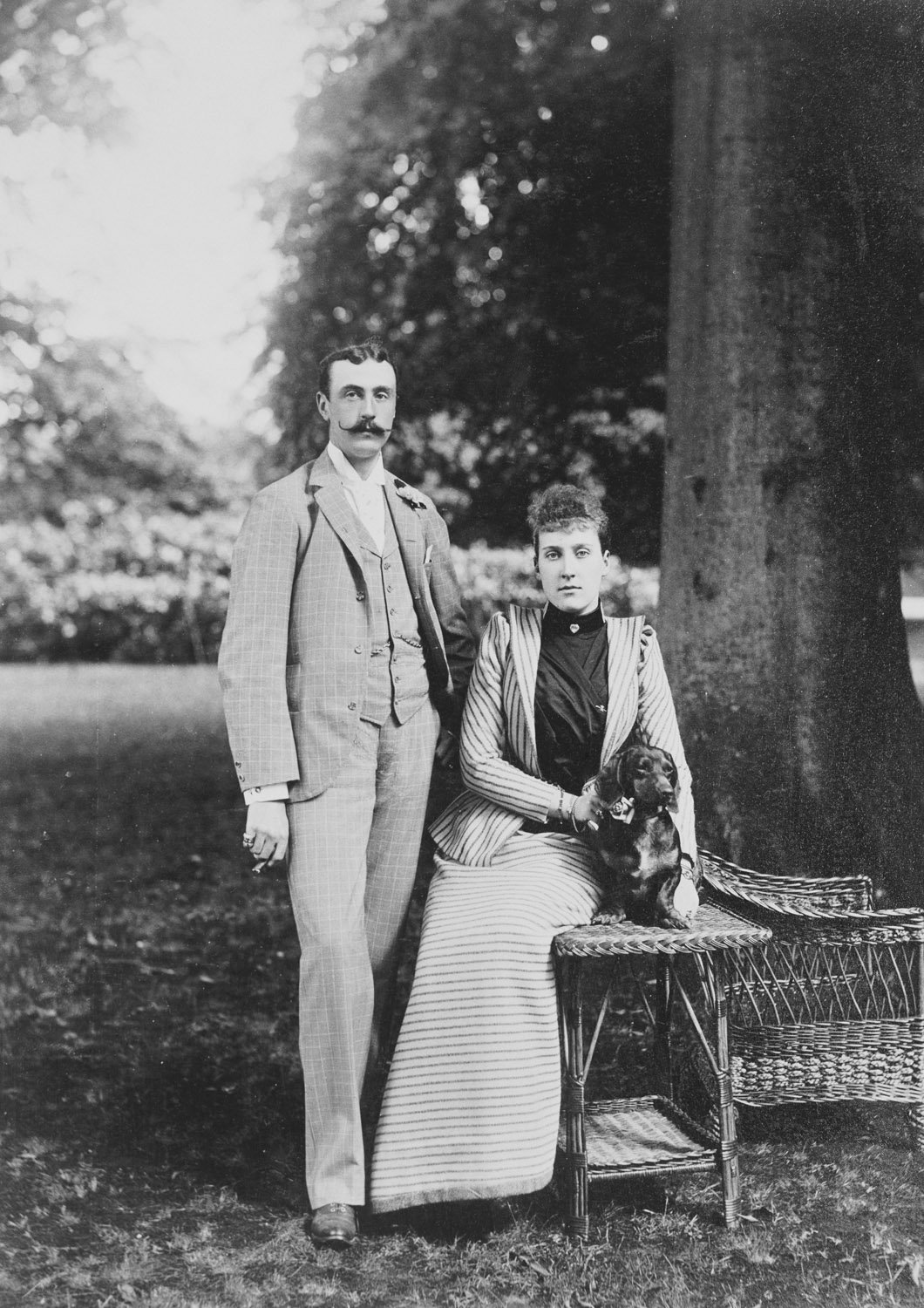
“Heart-in-Heart”: The Courtship and Wedding of Princess Marie Louise (Part 1)
[Hidden Gems Exclusive]
Next week marks the anniversary of the birth of Princess Marie Louise, the younger daughter of Queen Victoria and Prince Albert’s third daughter, Princess Helena. Her royal wedding in 1891 seemed like a fairytale love story come true—but not all was as it seemed. In the first installment of our two-part series on her courtship and wedding, we find ourselves attending a different royal wedding, where Marie Louise falls in love with her future husband at first sight.
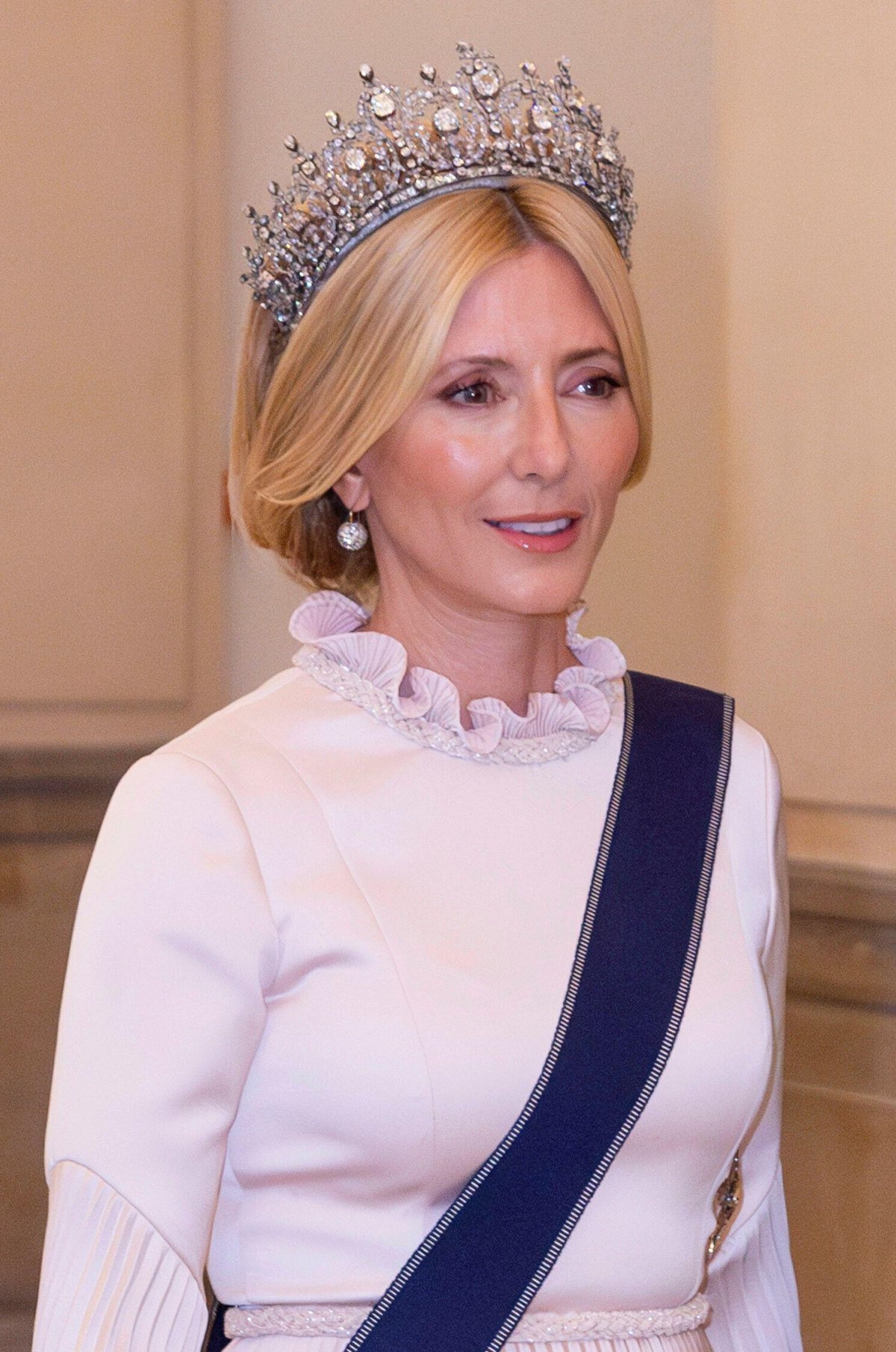
The first owner of this large, intricate diamond tiara was Queen Sophie, who was born Princess Sophie of Prussia. She was the daughter of Princess Vicky, the first child of Queen Victoria and Prince Albert; she was also the sister of Kaiser Wilhelm II. It’s never been revealed exactly how Sophie acquired the tiara, or who made the piece, but many have guessed that she received it from one of her many royal relatives (possibly her mother or her brother) as a wedding present.
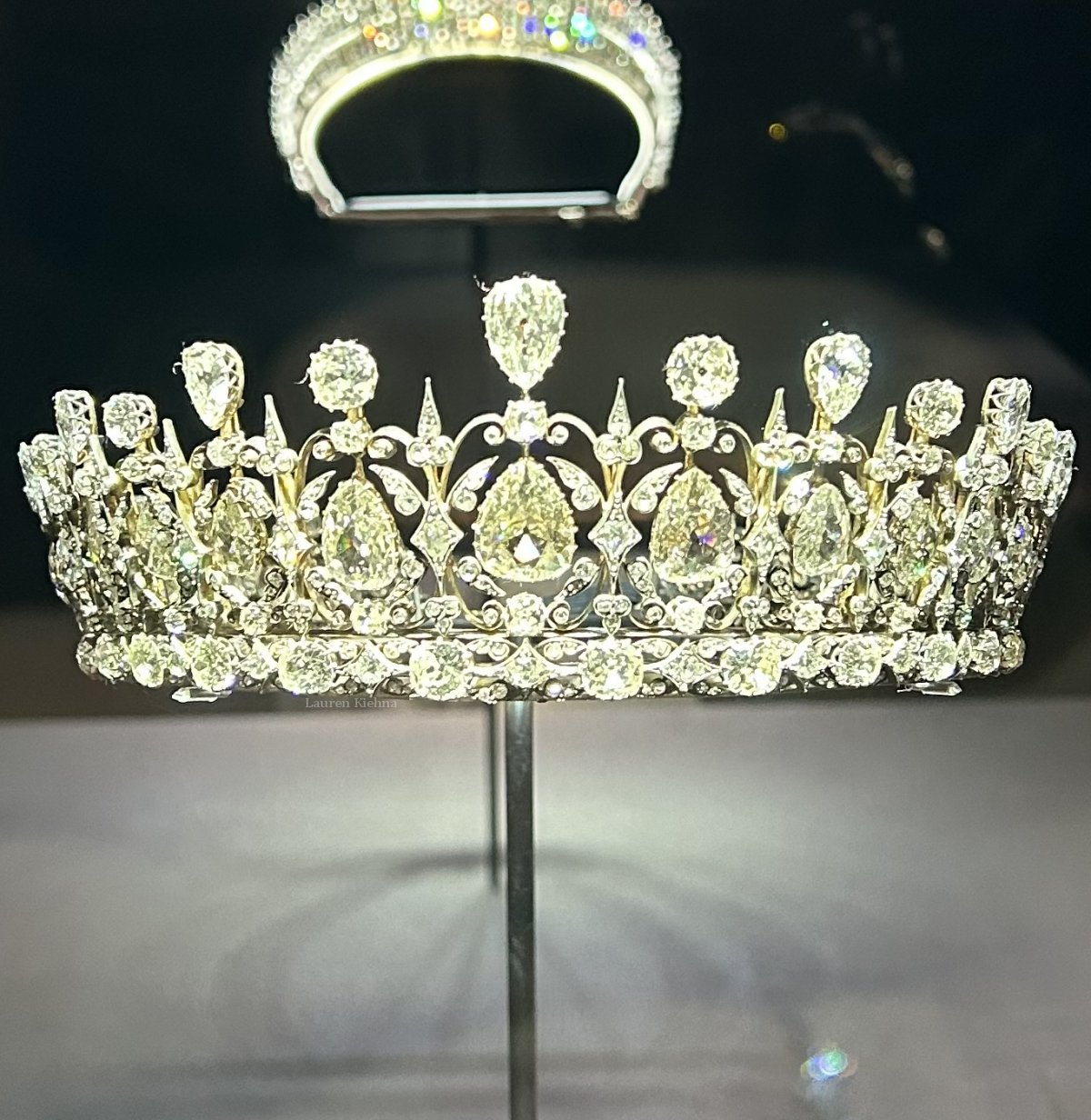
This tiara’s story begins, essentially, in February 1867. Four years earlier, Princess Alexandra of Denmark had joined the British royal family by marrying the Prince of Wales (the future King Edward VII). After welcoming two sons, Prince Albert Victor and Prince George, Alexandra gives birth to a daughter at Marlborough House in London. The new little princess is named Louise Victoria Alexandra Dagmar, honoring her grandmothers, Queen Louise of Denmark and Queen Victoria of the United Kingdom, her mother, and her aunt, Marie Feodorovna of Russia (who was born Princess Dagmar of Denmark).
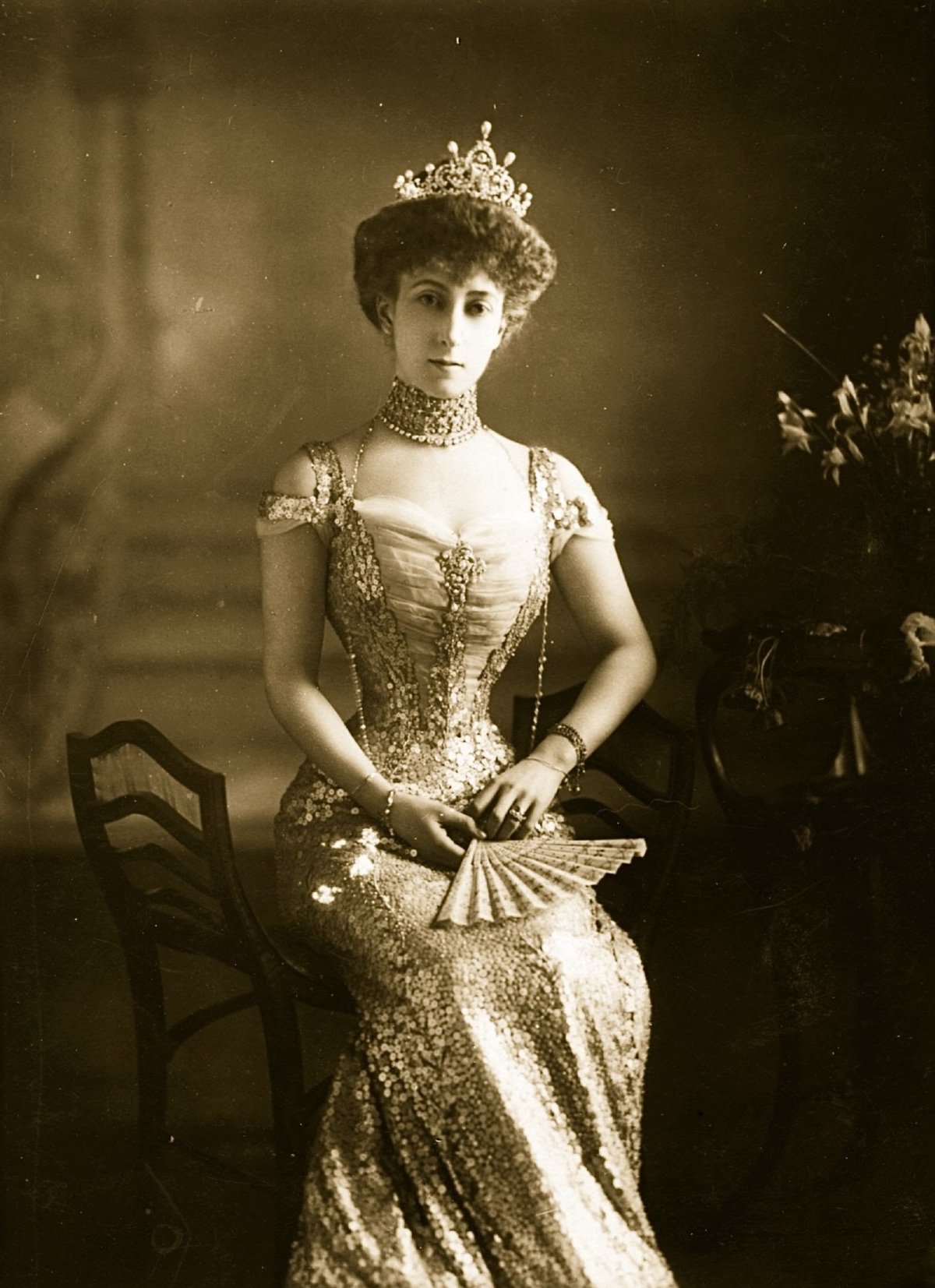
One of the most important sparklers in Norway, Queen Maud’s pearl tiara, graced the heads of two generations of Norwegian royal ladies. It would inevitably have crowned a few more, too—if only it hadn’t been involved in a rather notorious jewelry theft!
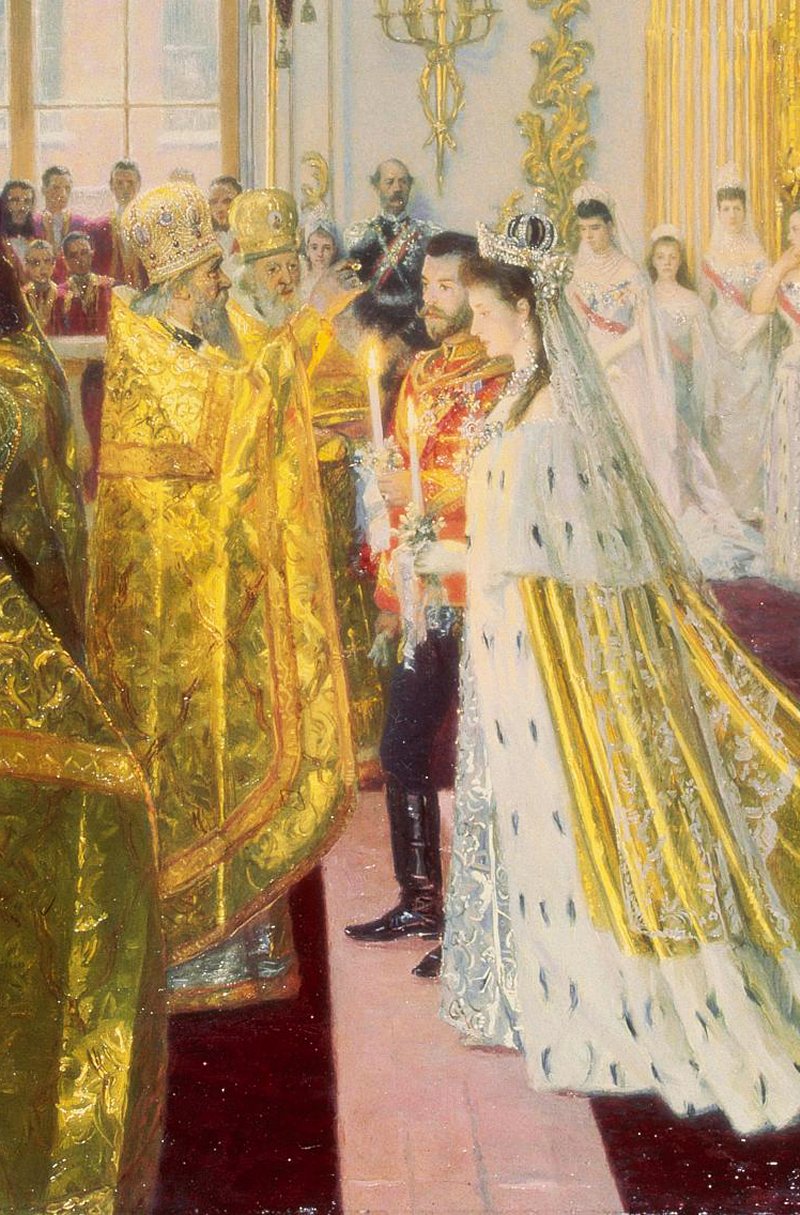
Romanov Splendor: The Wedding Tiara and Jewels of Russia’s Last Empress
In November 1894, more than a century ago, the eyes of the world were on Russia. Tsar Nicholas II, the young man who had become emperor only three weeks earlier, was preparing to marry a German princess. They couldn’t have known then that this imperial wedding, held under a cloud of mourning, would be the last nuptials of a Russian emperor and empress. Today, let’s look back on the unusual day, and the traditional jewels worn by the bride.
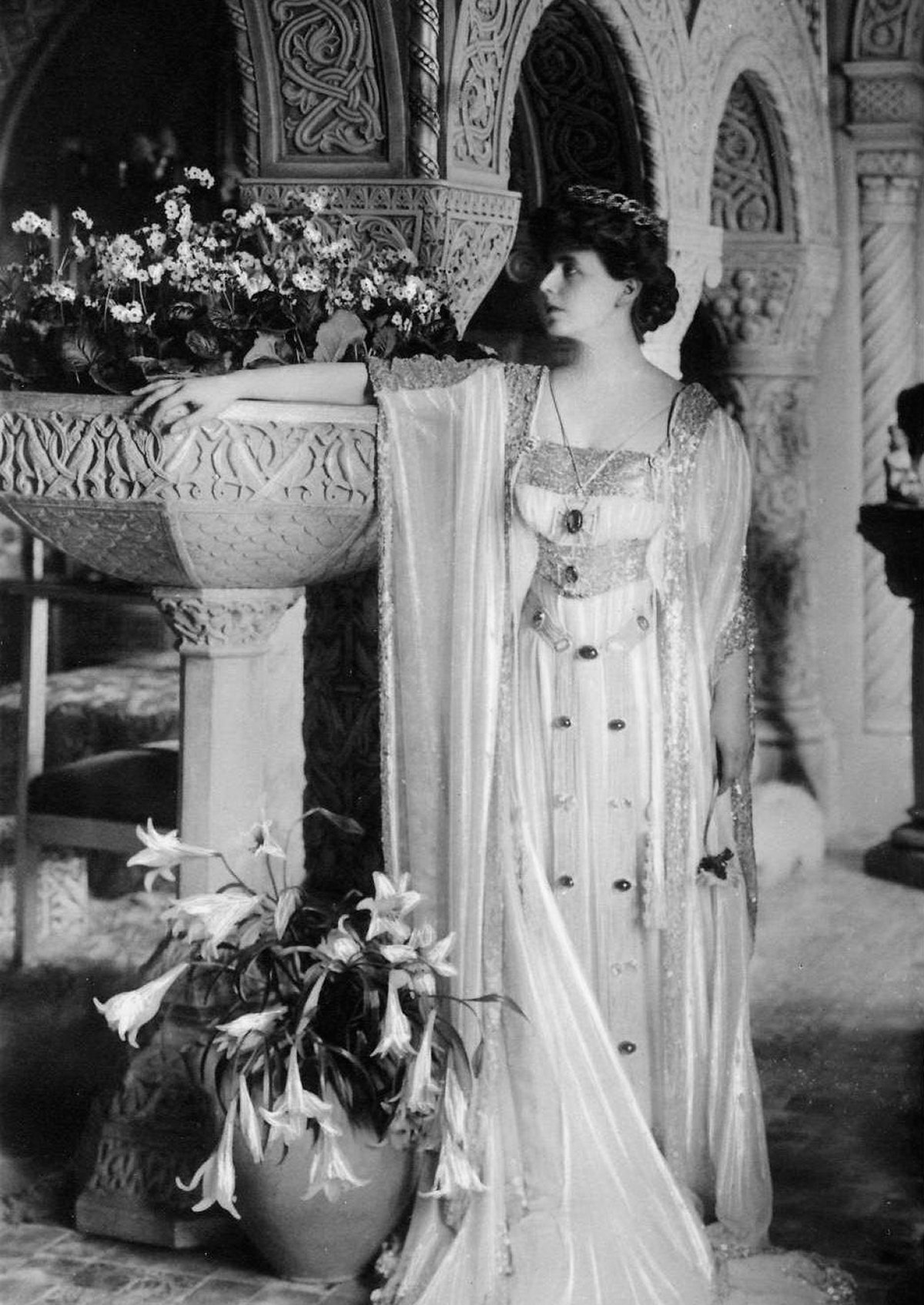
Crown Princess Marie’s Dramatic Romanian Tiara
Marie was born Princess Marie of Edinburgh, the eldest daughter of Prince Alfred, Duke of Edinburgh (a son of Queen Victoria and Prince Albert) and Grand Duchess Maria Alexandrovna of Russia (the only daughter of Tsar Alexander II of Russia). She married Crown Prince Ferdinand of Romania in 1893, and they succeeded to the throne as King Ferdinand and Queen Marie of Romania in 1914.
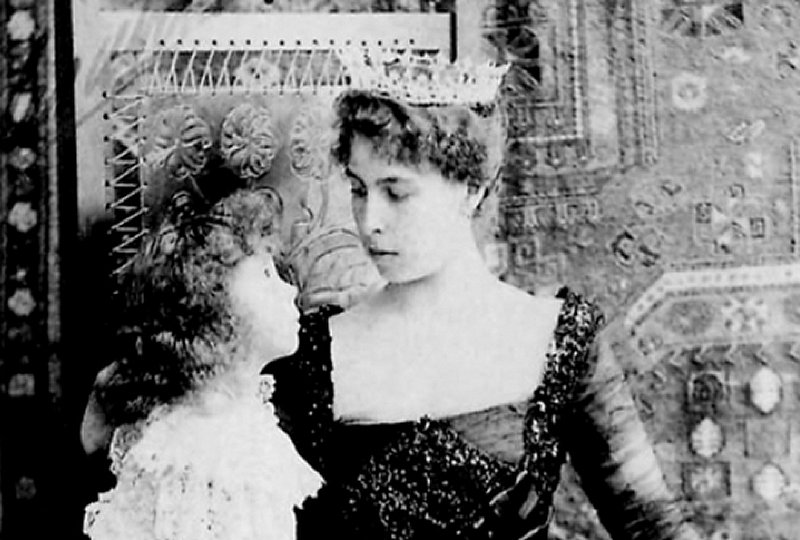
Victoria Melita and the Hesse Strawberry Leaf Tiara
The Strawberry Leaf Tiara of the grand ducal family of Hesse and by Rhine started its journey across the sea in Britain. In early 1861, Princess Alice, the third child of Queen Victoria and Prince Albert, became engaged to Princess Louis of Hesse. Prince Albert, who was interested in jewelry, set about designing bejeweled wedding presents for his daughter; sadly, however, he died before the marriage could take place.
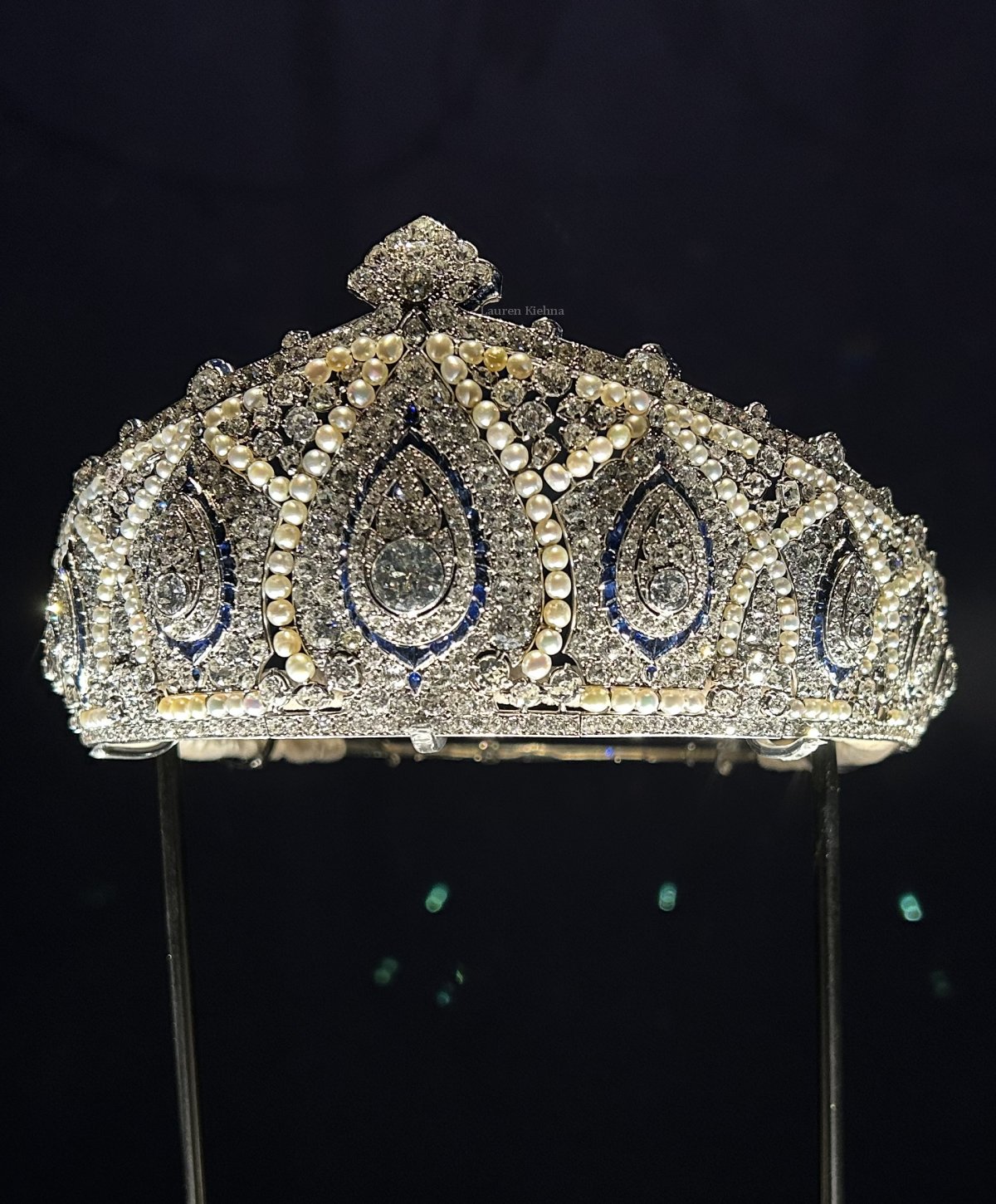
The Duchess of Gloucester, wife of a cousin of the British monarch, has a jewelry collection that outshines those of some entire royal families. Many of her pieces came from Queen Mary via the current duke’s mother, Princess Alice. But today’s jewel, the Cartier Indian Tiara, arrived in the Gloucester collection from a different, lesser-known branch of Queen Victoria’s family tree.
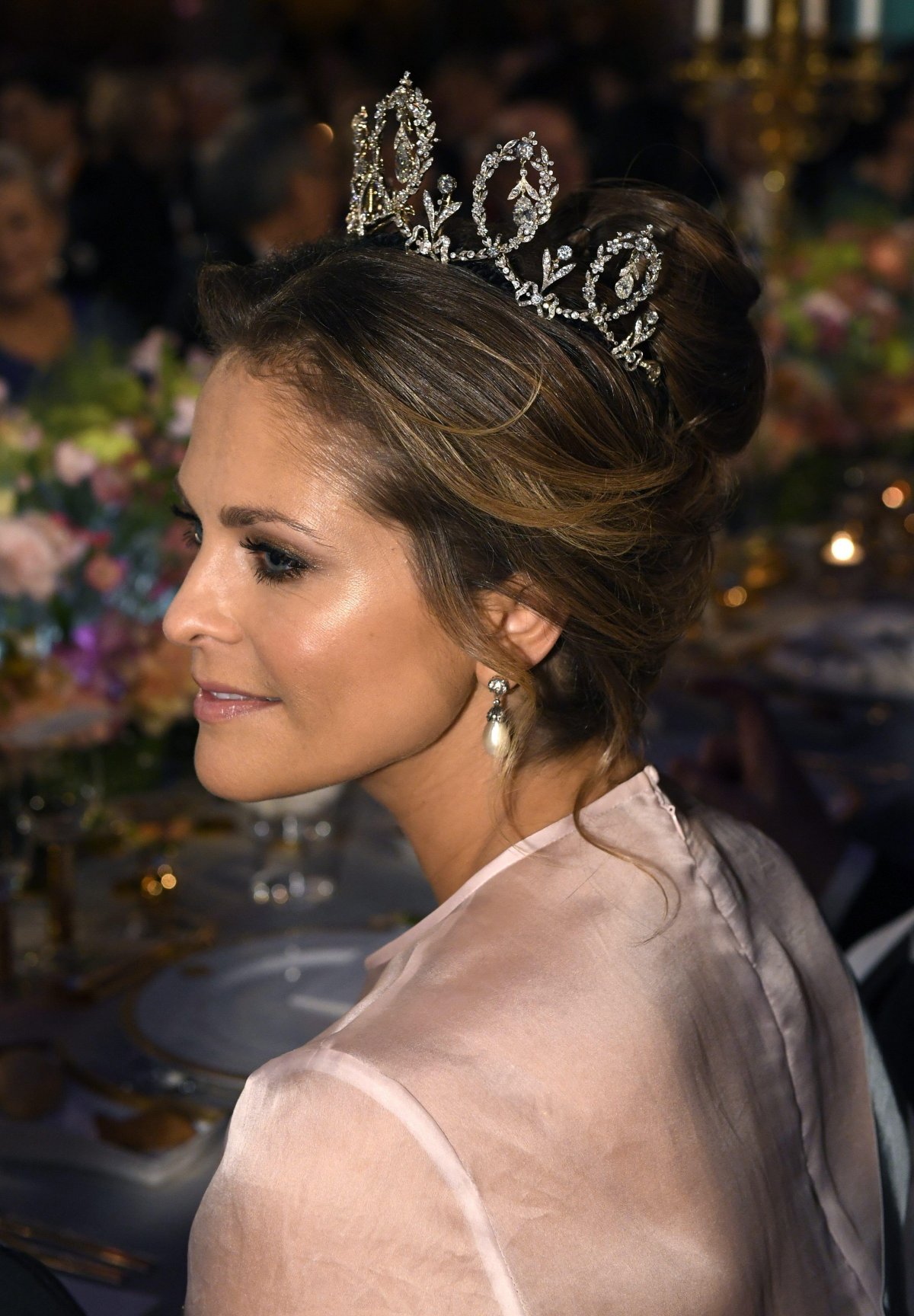
Delicate, antique, and sentimental: the diamond drop tiara of the Swedish royal family has to be one of the most lovely tiaras in a royal collection today. The tiara came to Sweden in 1905 with the country’s new princess, Margaret of Connaught, and has been worn by women in each generation since.
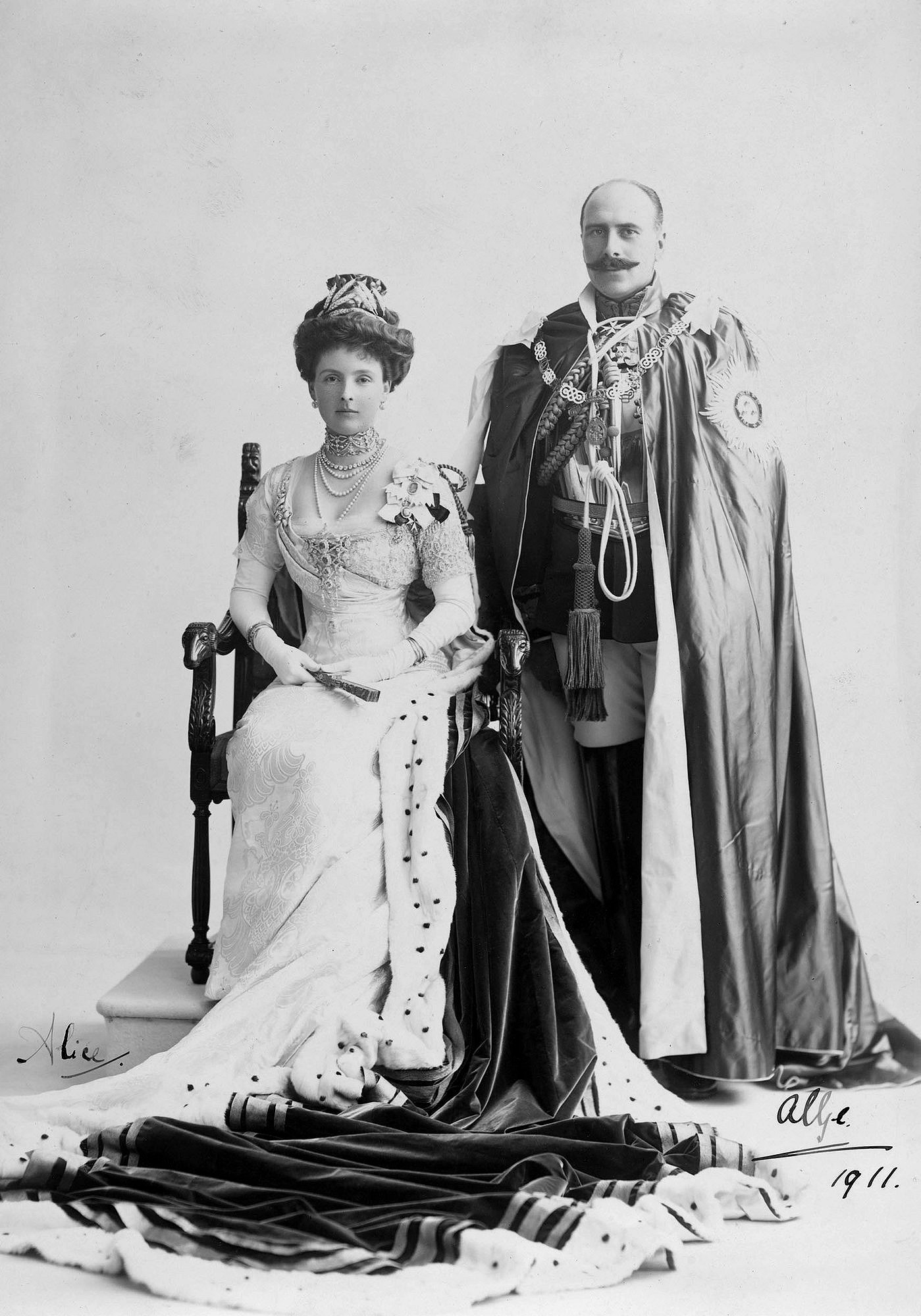
We first encounter this set of diamond wheat ear ornaments, able to be worn in various configurations on a tiara frame, in the collection of Princess Mary Adelaide of Cambridge, later the Duchess of Teck. She may not have been the first owner of the ornaments—we don’t know precisely how old they are—but ears of wheat, perhaps these very ones, were definitely in her jewelry box early on.
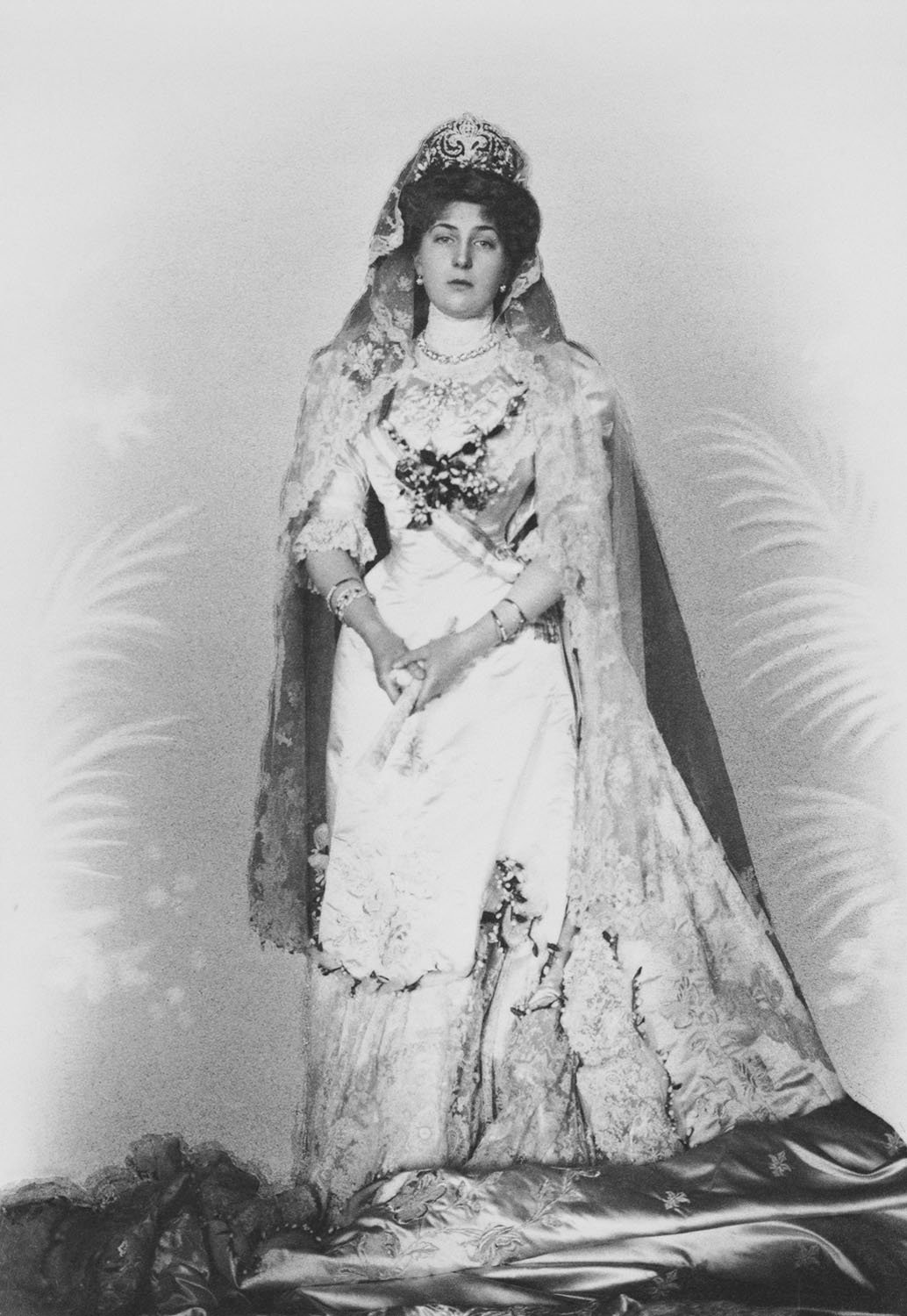
Terrifying Tiara Tales: Queen Ena’s Royal Wedding Tiara
The year was 1905. King Edward VII of the United Kingdom was hosting a grand state banquet that June at Buckingham Palace in London for King Alfonso XIII of Spain. Alfonso, then just 19 years old, was the rare person who had literally been born a monarch: his father, King Alfonso XII, had died before his birth, and baby Alfonso had succeeded to the throne at the moment he took his first breath. By the spring of 1905, the young monarch was searching for a consort. In the ballroom at Buckingham Palace, he laid eyes on King Edward’s 17-year-old niece, Victoria Eugenie of Battenberg.
Leave a Reply
You must be logged in to post a comment.