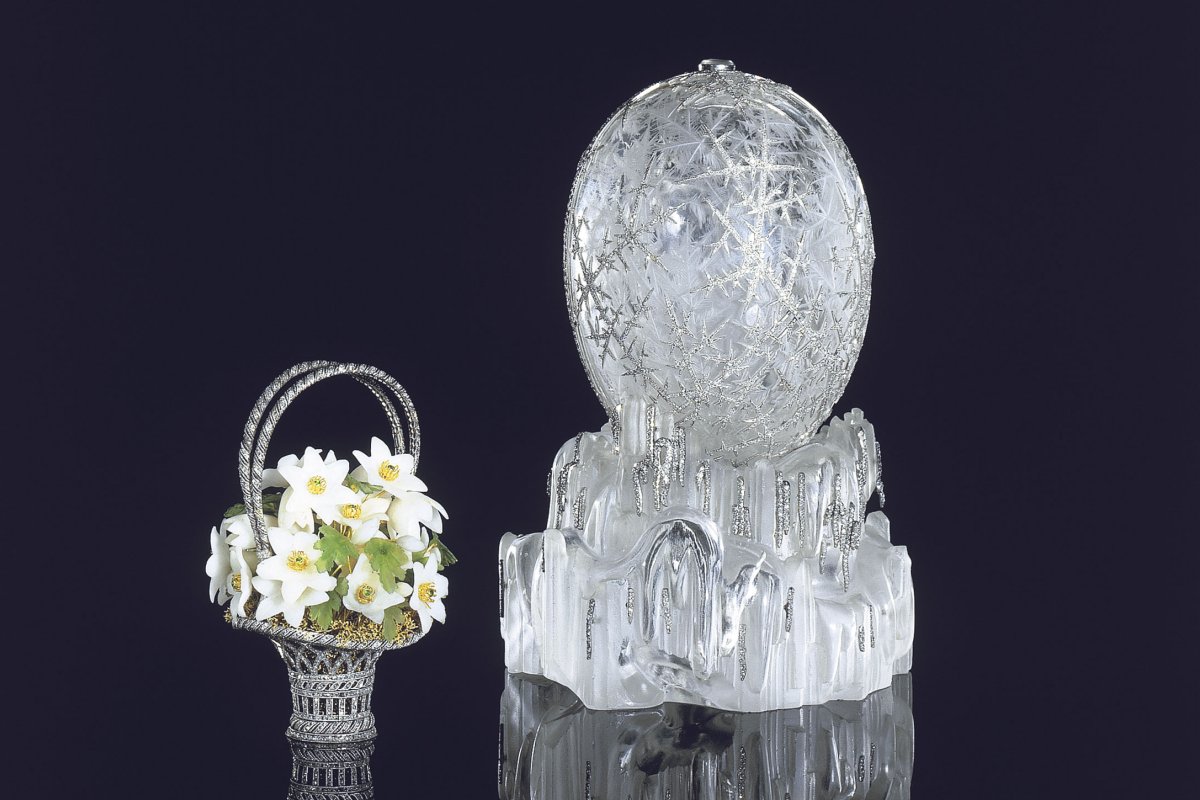
This week, we learned the exciting news that the Winter Egg, an imperial Easter egg made by Fabergé in 1913, will be sold at auction in London. As bonus reading today, I’ve got a link to my Hidden Gems deep-dive on the egg’s history, as well as several other archive pieces from Hidden Gems and The Court Jeweller on fabulous Fabergé eggs.
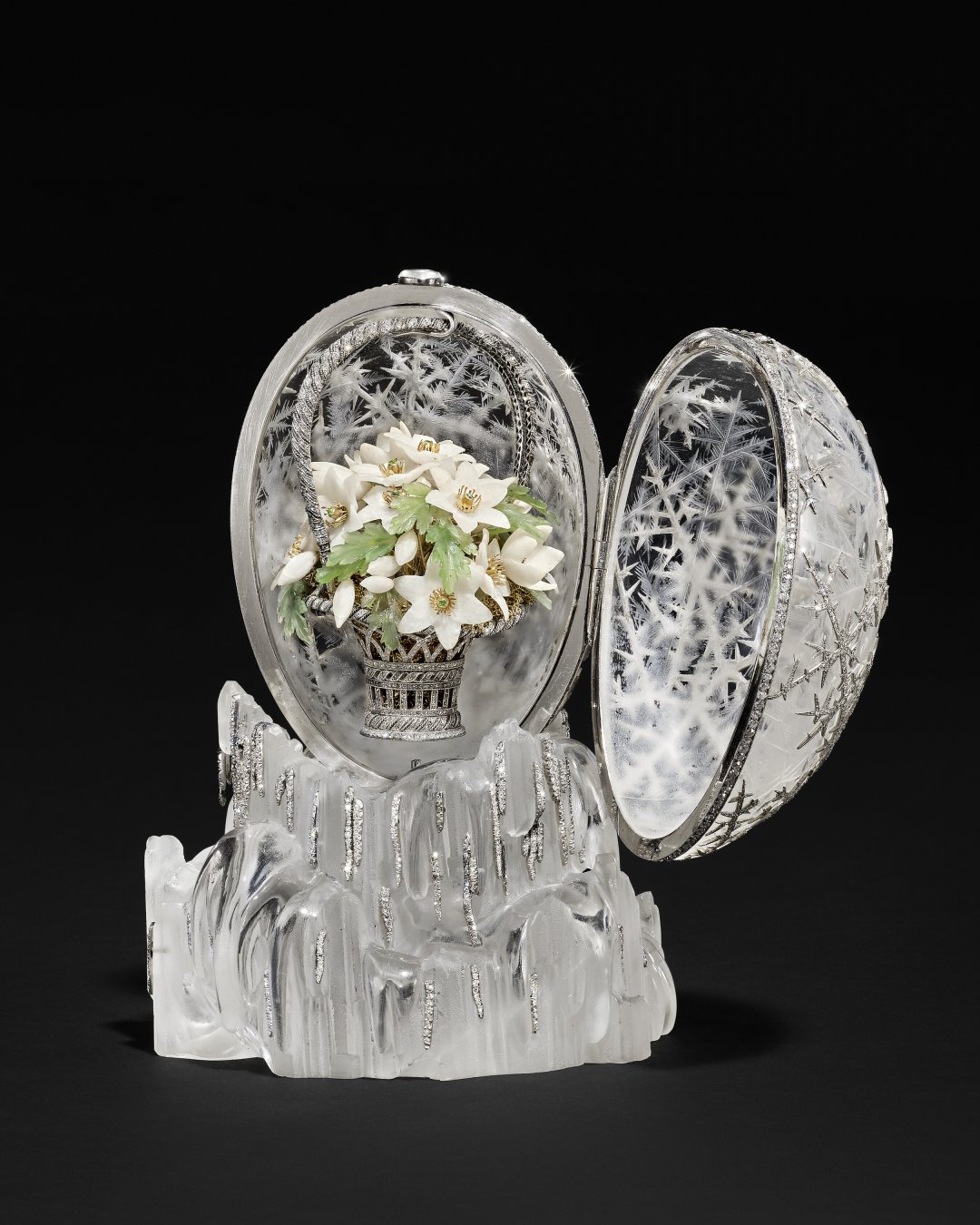
An Iconic, Icy Imperial Fabergé Easter Egg Hits the Auction Floor
[Hidden Gems Exclusive]
Alma Pihl’s Winter Egg, crafted in 1913 as a gift for Empress Marie Feodorovna, will be sold in December in London. Today, we’ve got a look at the fascinating egg and the remarkable craftswoman who conjured up its iconic design.
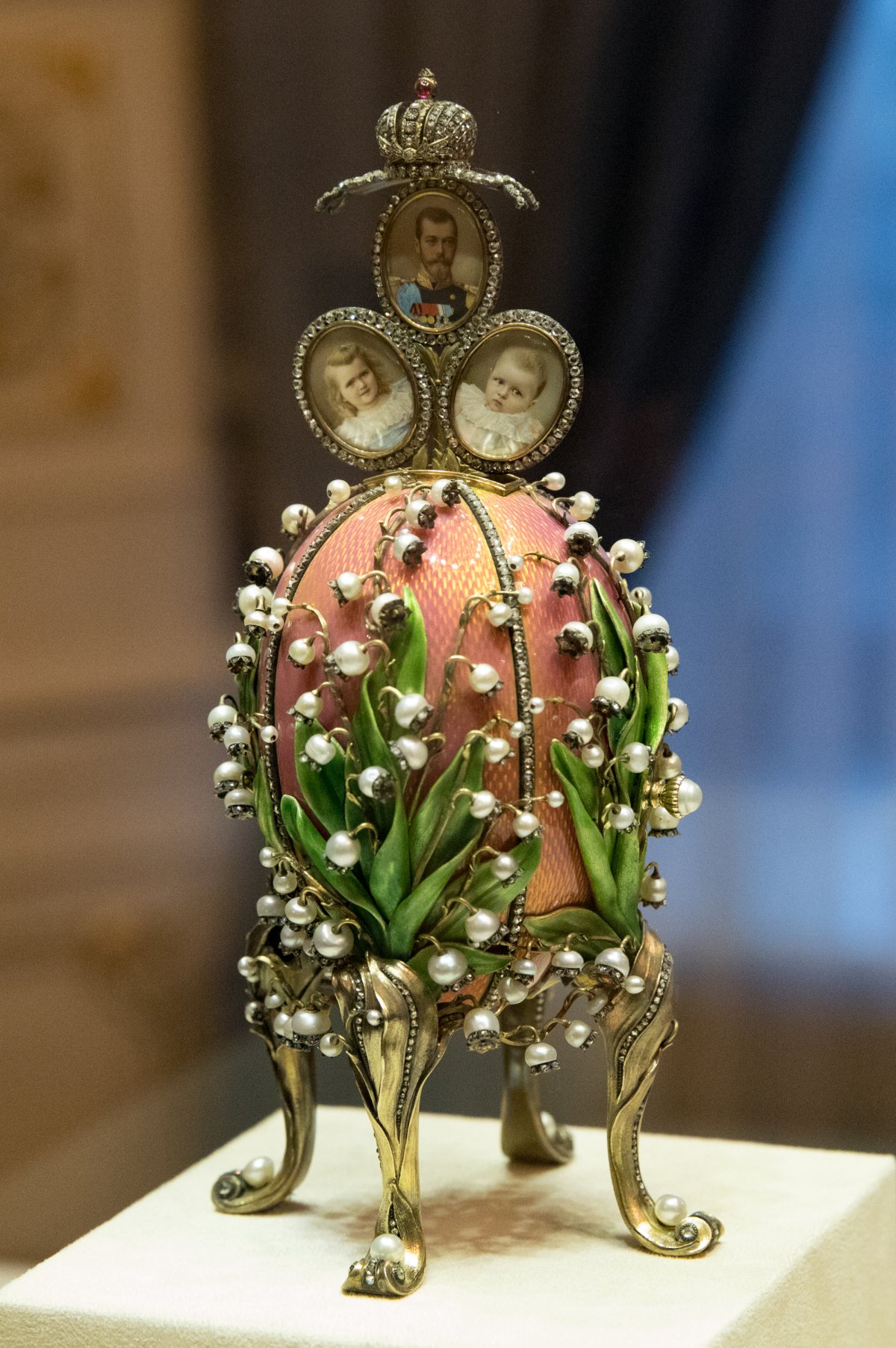
In April 1898, Emperor Nicholas II of Russia celebrated Orthodox Easter by presenting his wife, Empress Alexandra Feodorovna, with a beautiful bejeweled Easter egg. He was continuing a tradition started by his father, the late Emperor Alexander III. Every Easter, Nicholas gave bejeweled eggs to his wife and his mother. The treasures were made for the imperial family by the artists at Fabergé.
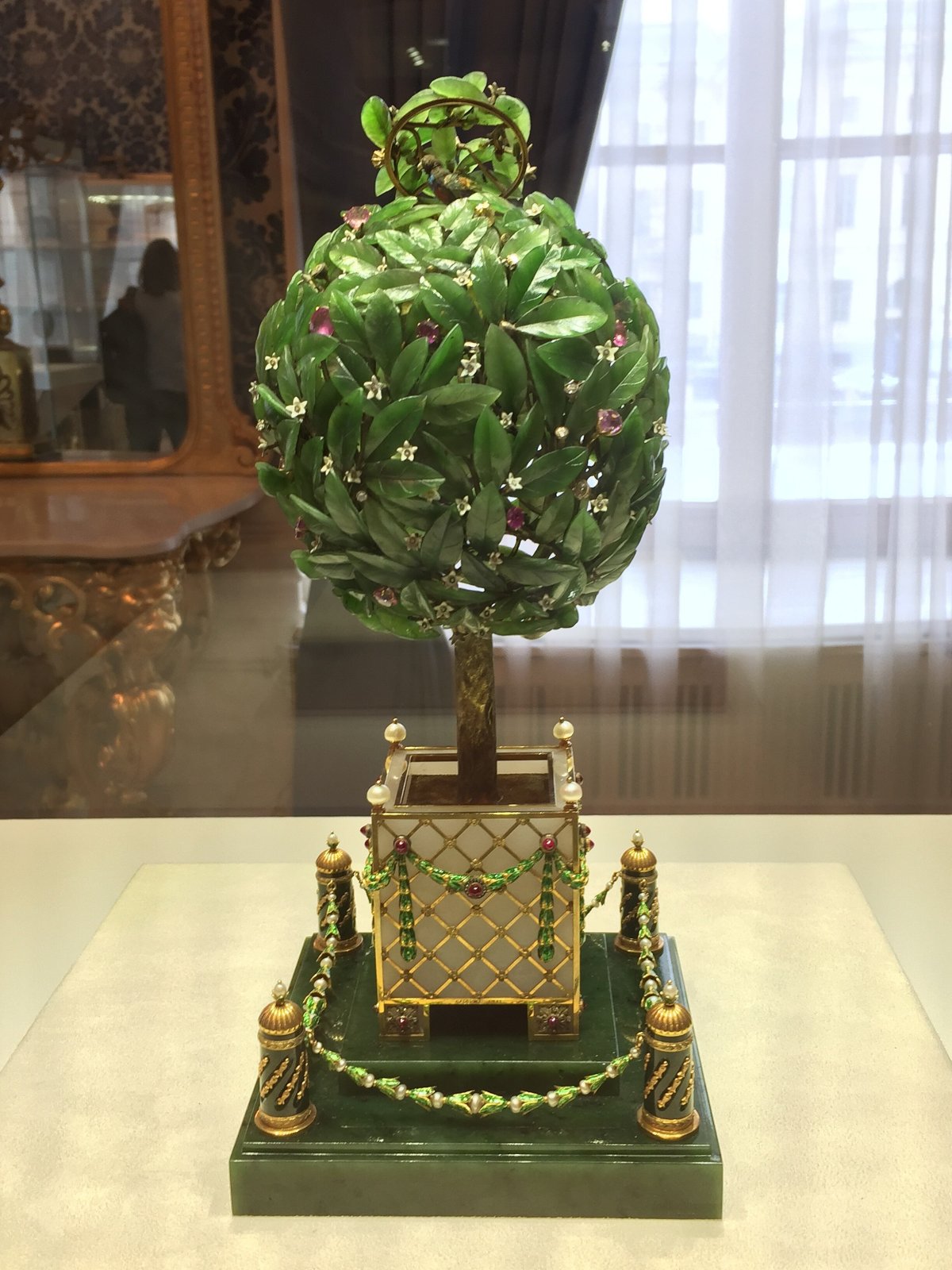
Most of the jewels we focus on here on the blog are wearable pieces of art, but in imperial Russia, some of the most fabulous bejeweled pieces were objects—more specifically, Fabergé eggs. The presentation of jewel-encrusted eggs was an Easter tradition for the last two Russian emperors. Today we’re looking at one of my very favorite imperial Easter eggs: the Bay Leaf Egg.

The Danish Palaces Egg
[Hidden Gems Exclusive]
On Saturday, March 31, 1890, Tsar Alexander III and Tsarina Marie Feodorovna of Russia stood in the Grand Church in the Winter Palace in St. Petersburg, wearing elaborate court dress and waiting for the clock to strike midnight.
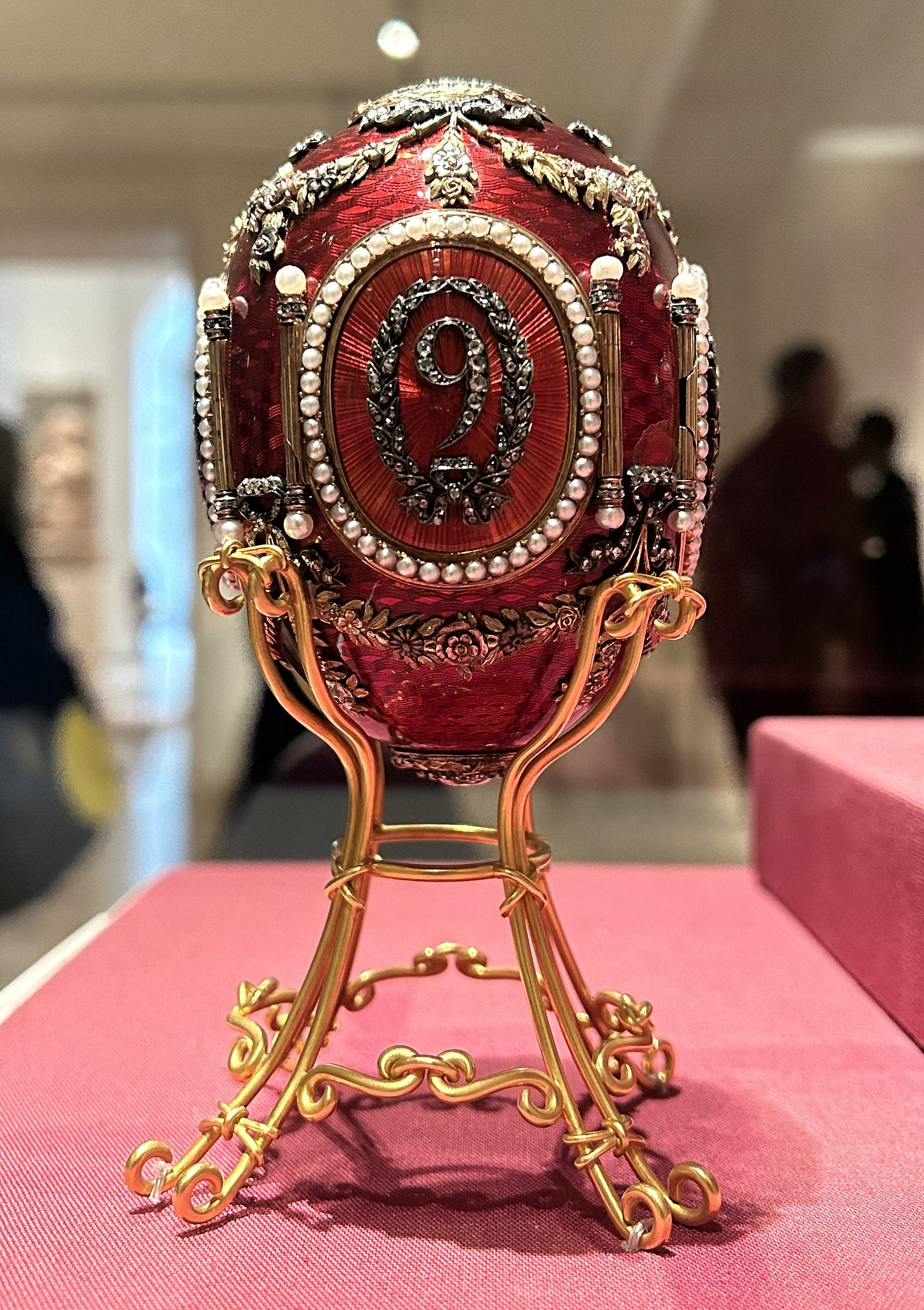
The Caucasus Egg
[Hidden Gems Exclusive]
In the spring of 1893, Emperor Alexander III decided to present his wife with an Easter egg that would help her feel connected to their beloved even though they were far apart. In the Fabergé workshop, Mikhail Perkhin crafted a gorgeous imperial egg made of translucent ruby red enamel, decorated with gold and diamond festoons, flowers, and ribbons.

The Cockerel Egg
[Hidden Gems Exclusive]
The extended Danish royal family celebrated Easter in Copenhagen in April 1900, but one of the King’s sons-in-law narrowly escaped death on his way to the festivities.
Leave a Reply
You must be logged in to post a comment.