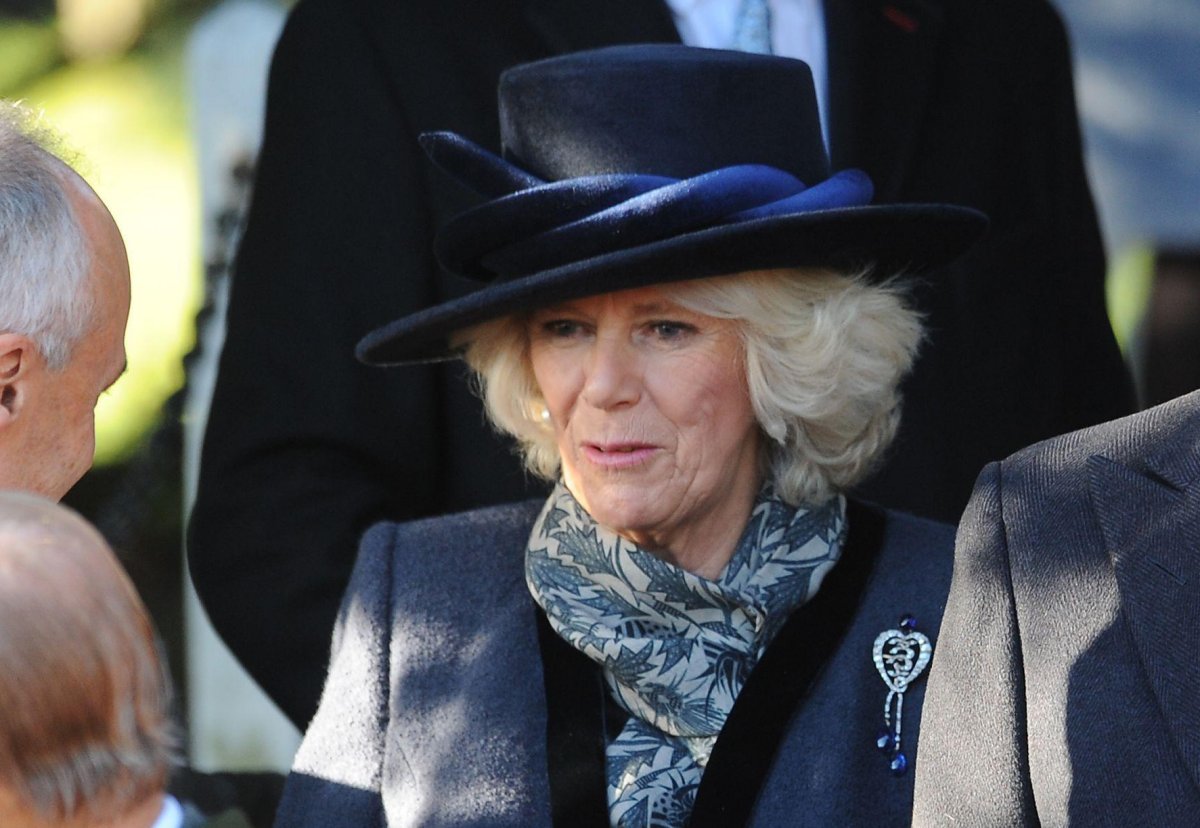
As our September sapphire fixation continues, today we’re dipping into the jewelry box of Queen Victoria to have a look at one of her most unique pieces: the Hesse Diamond Jubilee Brooch.
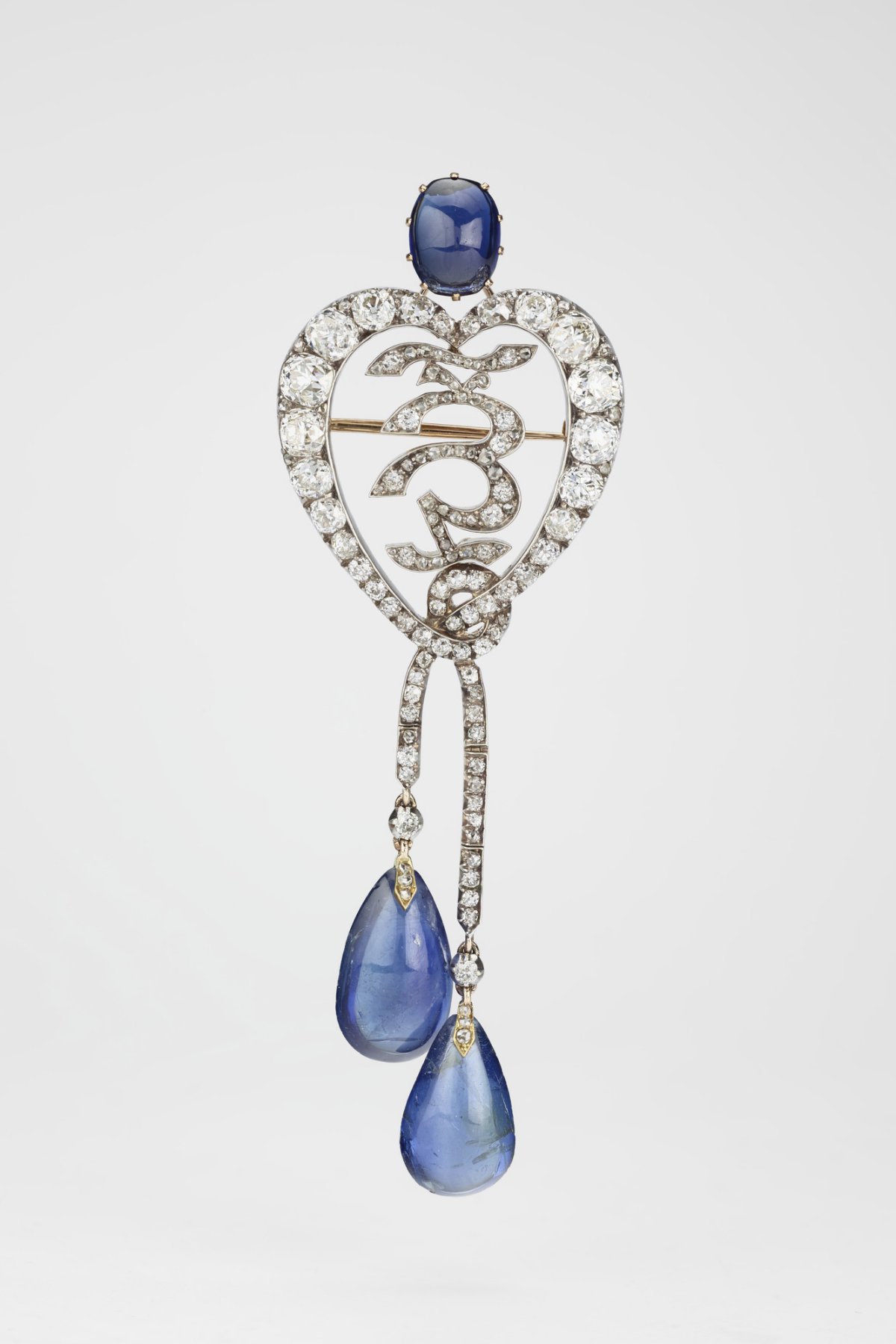
The main diamond portion of the brooch forms a heart shape. Inside the heart is the number 60 (the number of years in a Diamond Jubilee reign) in Cyrillic numerals, which, for comparison purposes, looks something like this: Ѯ. Additionally, there are three cabochon sapphires set in the piece: one at the top and two as negligee-style pendants.
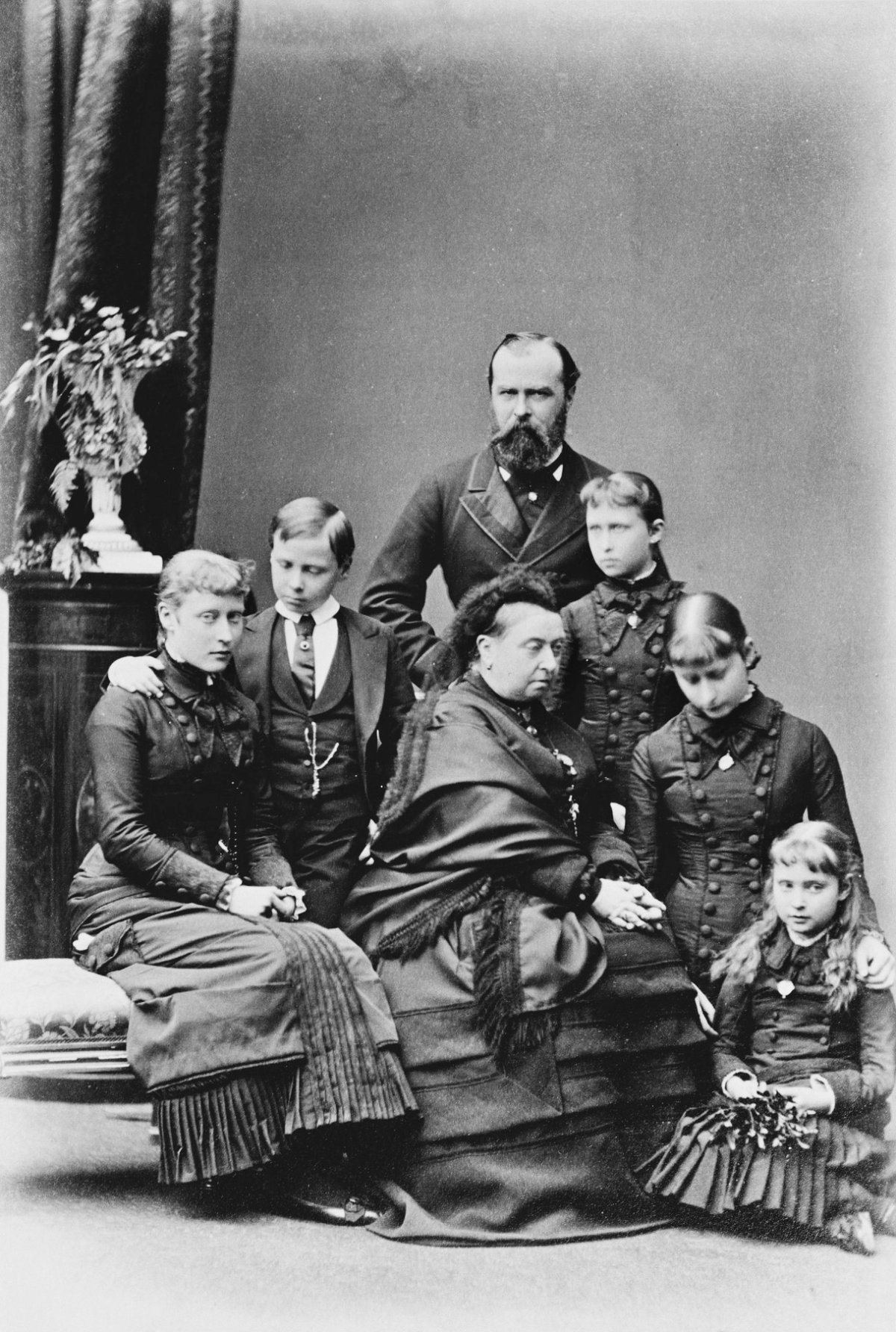
The brooch was a gift from several of Queen Victoria’s grandchildren, all of them descendants (and their spouses) of the late Princess Alice, Grand Duchess of Hesse and by Rhine. The group included four members of the Russian imperial family: Emperor Nicholas II and Empress Alexandra Feodorovna of Russia, along with Alix’s sister, Grand Duchess Ella, and her husband, Grand Duke Sergei Alexandrovich. Alix and Ella’s brother, Grand Duke Ernest Louis of Hesse and by Rhine, also contributed, along with his first wife, Grand Duchess Victoria Melita (who was also one of Victoria’s granddaughters). The group was rounded out by Alice’s eldest daughter, Princess Victoria, and her husband, Prince Louis of Battenberg (later Marquess and Marchioness of Milford Haven).
The brooch was designed and made by Fabergé with input from Nicholas and Alexandra. They opted to replace the design’s original pearl pendants with sapphires from their own collection. More research, including original drawings, on the brooch’s construction is available on the Wartski website.
In October 1897, the Glasgow Herald reported that Victoria’s Diamond Jubilee gifts had been placed on display at the Imperial Institute in London. The brooch was among the numerous gifts displayed: “From their Imperial Majesties the Emperor and Empress of Russia, the Grand Duke and Duchess of Hesse, the Grand Duke and Duchess Serge, and Prince and Princess Louis of Battenberg, is a magnificent brooch in the shape of an open heart, with, in the centre, the number sixty in Slavonic characters, wrought in diamonds, and surrounded by a cabochon sapphire at the top and two large sapphire drops pendant. It is stated that, owing to the unique size and beauty of the sapphires, the brooch is valued at £20,000.”
The exhibition, which was held in the building’s North Gallery, was open for three months, and half of the proceeds went to benefit the Prince of Wales’s Hospital Fund. After the exhibition, the brooch seems to have dropped out of public view—for more than a century, if you can believe it! I haven’t been able to find an instance of any royal wearing it, including Queen Victoria, Queen Alexandra, Queen Mary, the Queen Mum, or even Queen Elizabeth II. Instead, we didn’t see the brooch come out of the jewelry box again until after the Duchess of Cornwall joined the royal family in 2005.
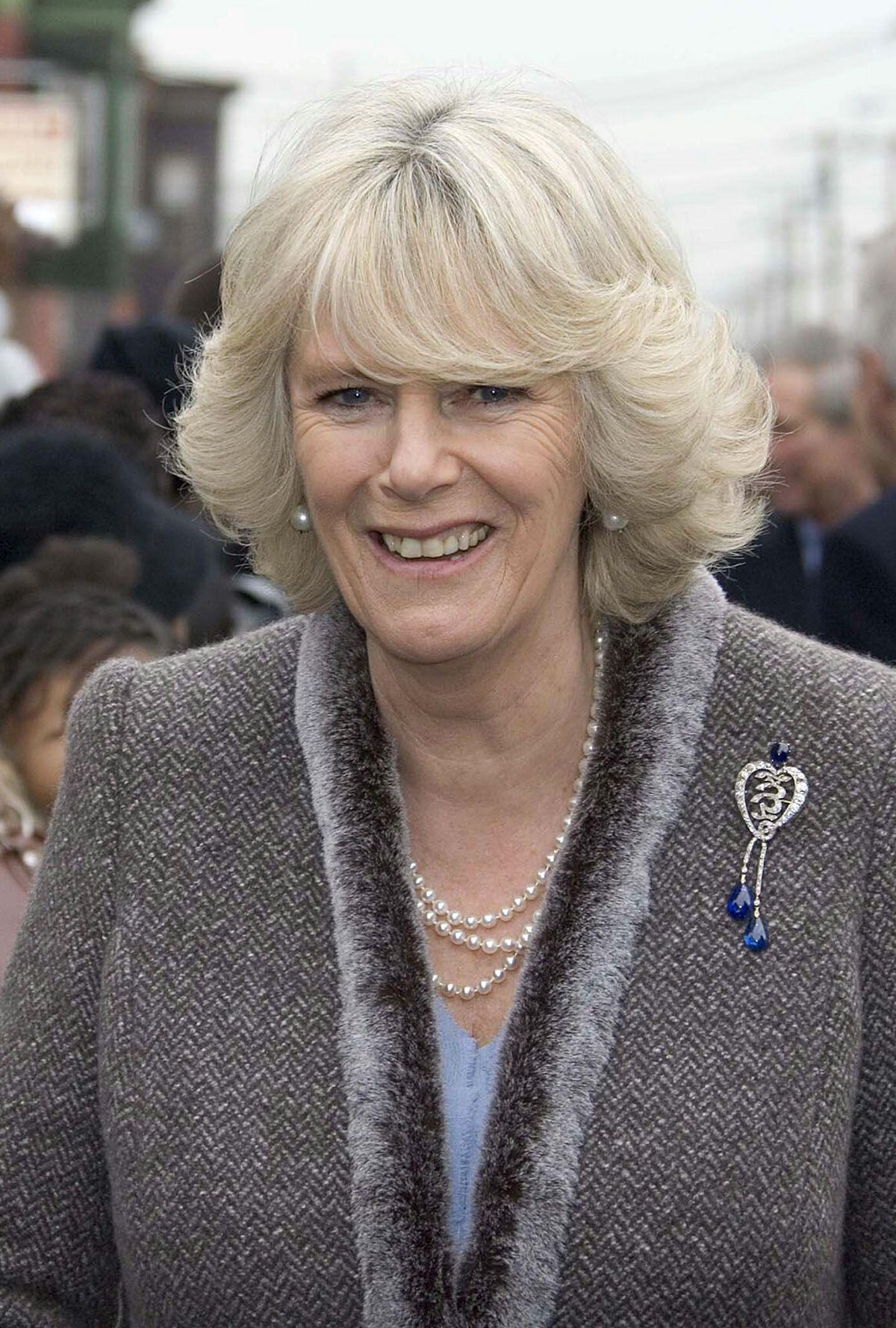
Following her royal wedding, Camilla began wearing numerous pieces from the jewelry collection of the late Queen Mother. I don’t believe we’ve ever confirmed that the Queen Mum had the Hesse brooch in her possession, but given the provenance of the other jewels worn by Camilla at that time period, it wouldn’t surprise me if the brooch was in the Queen Mother’s collection at some point. Above, Camilla makes an early appearance in the brooch in Philadelphia in January 2007.
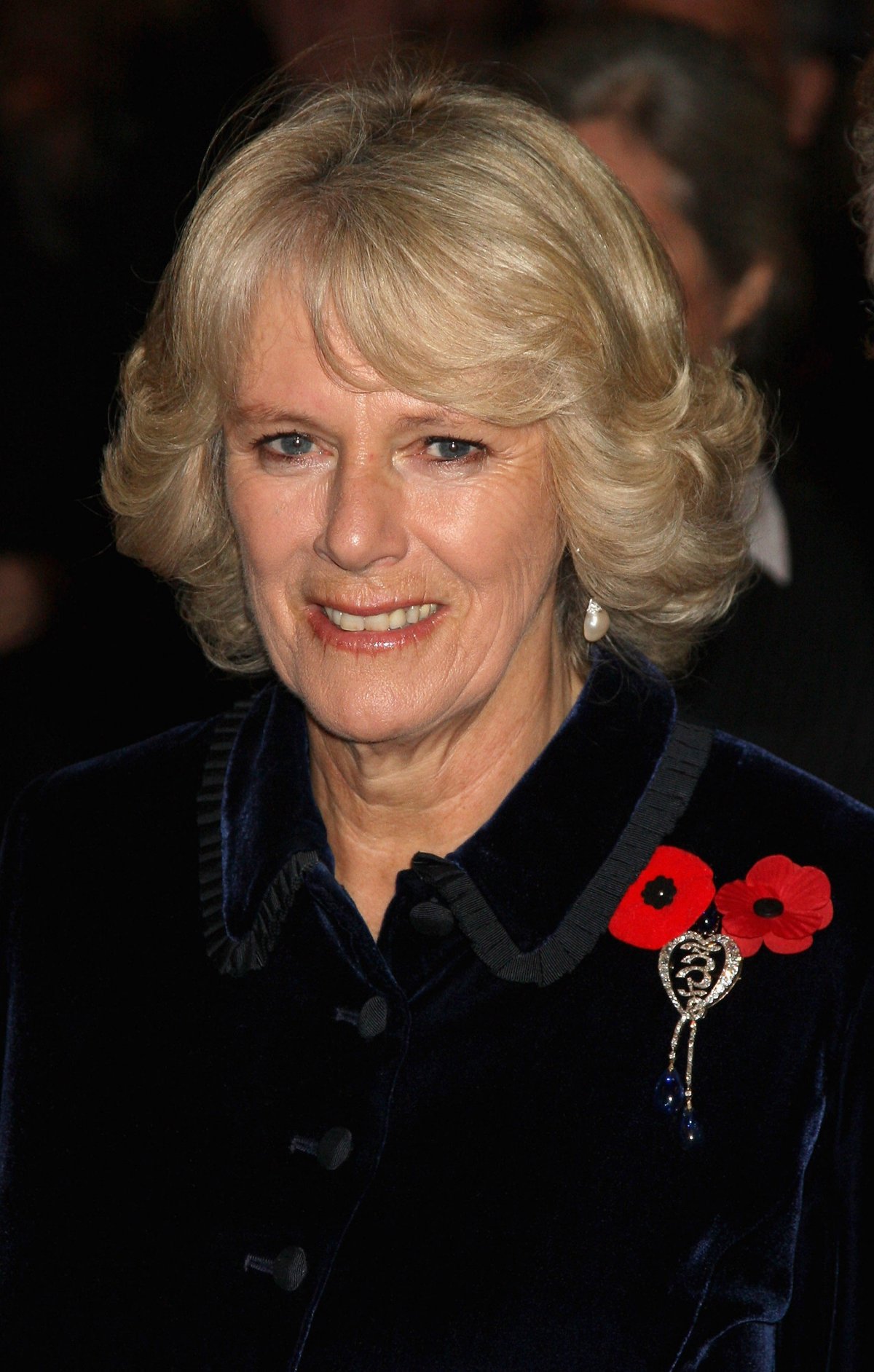
During her first official visit to Canada in November 2009, Camilla wore the brooch on a coat of midnight blue velvet; unfortunately, the color match of the fabric and the sapphires made the gems recede a bit. The diamond design does pop against a darker background, though, even when slightly obscured by poppies.
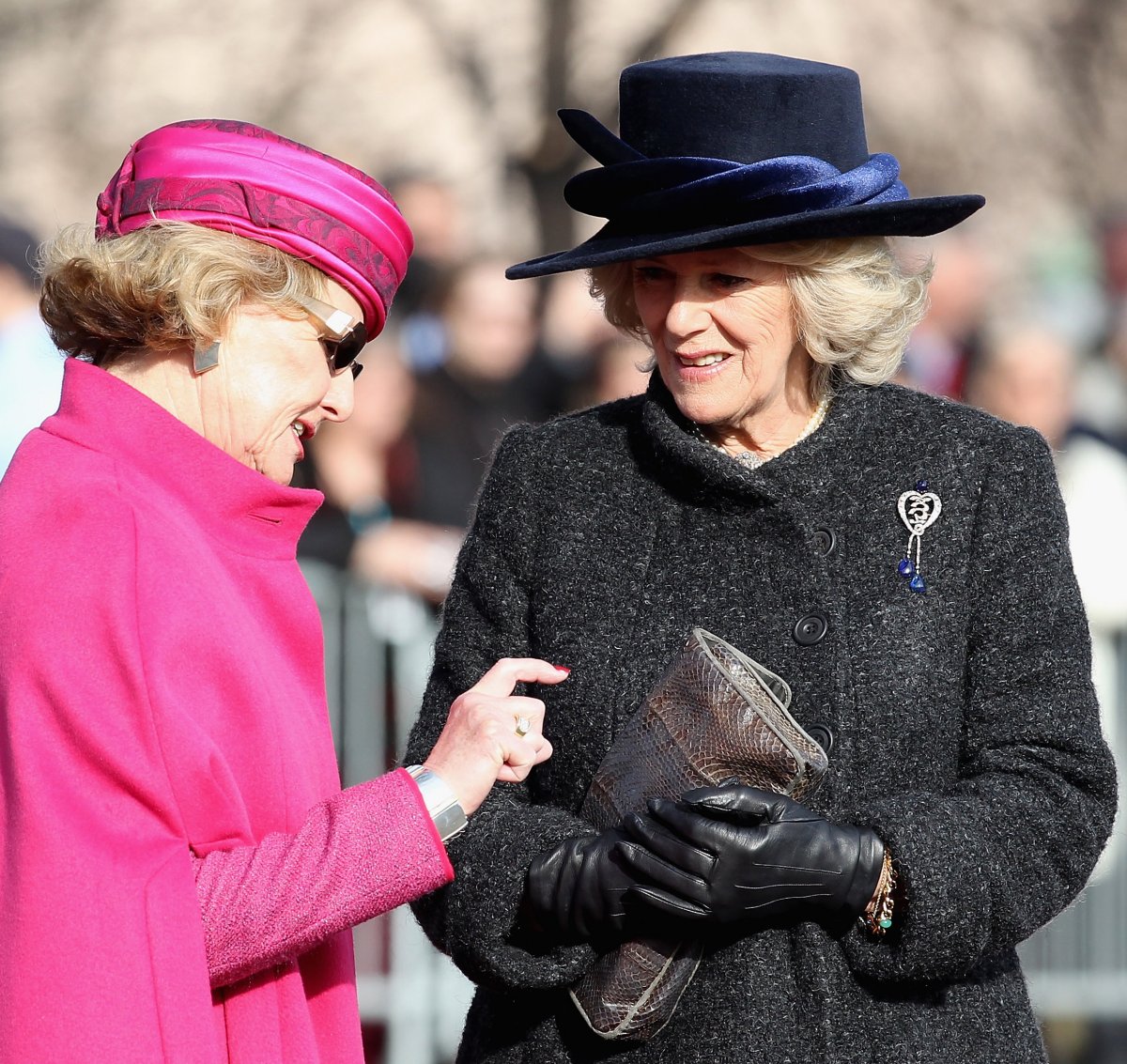
In March 2012, the brooch was a natural choice for another 60th anniversary commemoration: Charles and Camilla’s tour of Scandinavia, part of Queen Elizabeth II’s Diamond Jubilee celebrations. Camilla wore the brooch in Oslo for a visit to the National Monument at Akershus Fortress in Oslo.
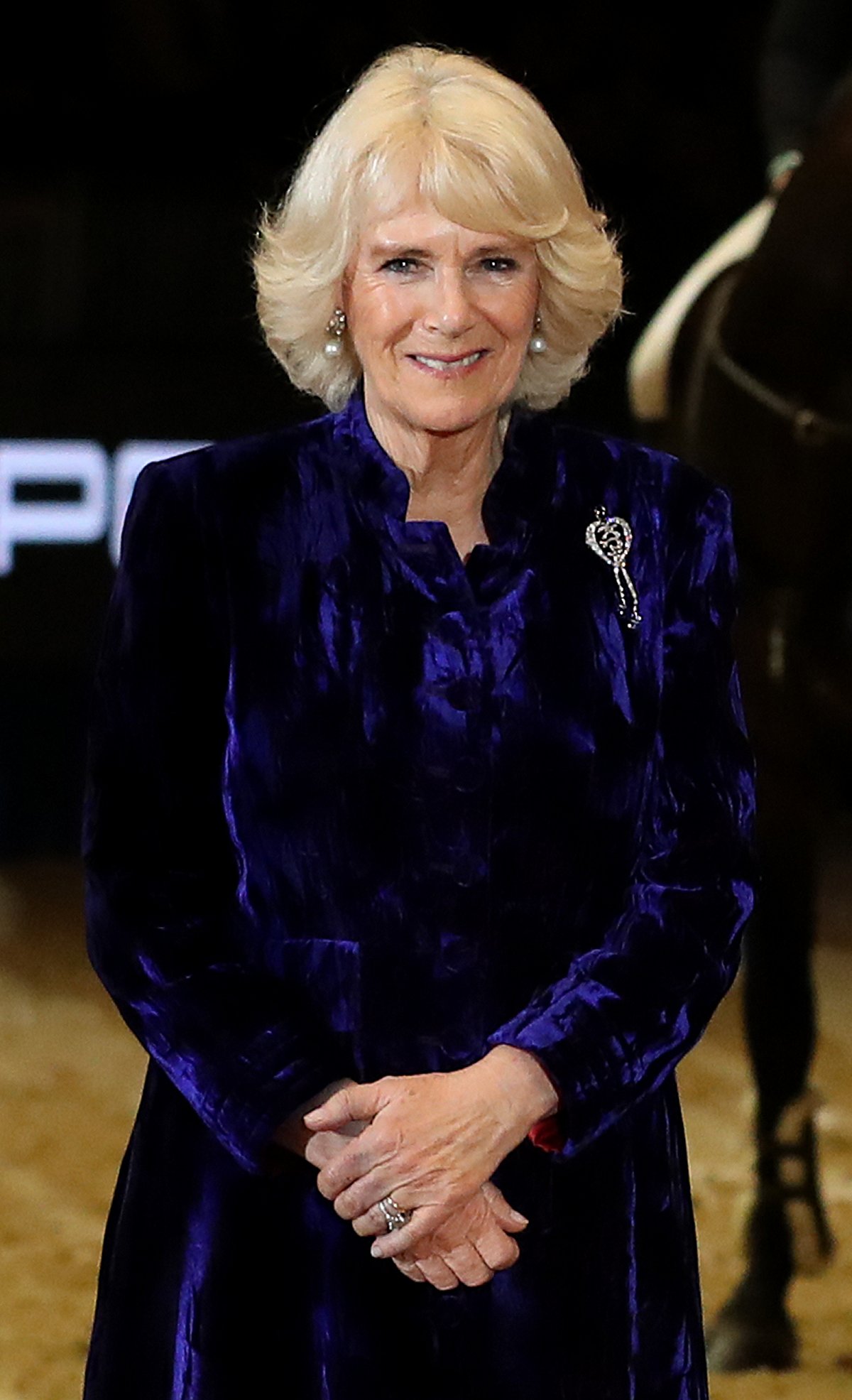
Camilla paired the brooch with a midnight blue ensemble again in December 2017, when she wore the piece on a velvet jacket for the annual Olympia Horse Show.
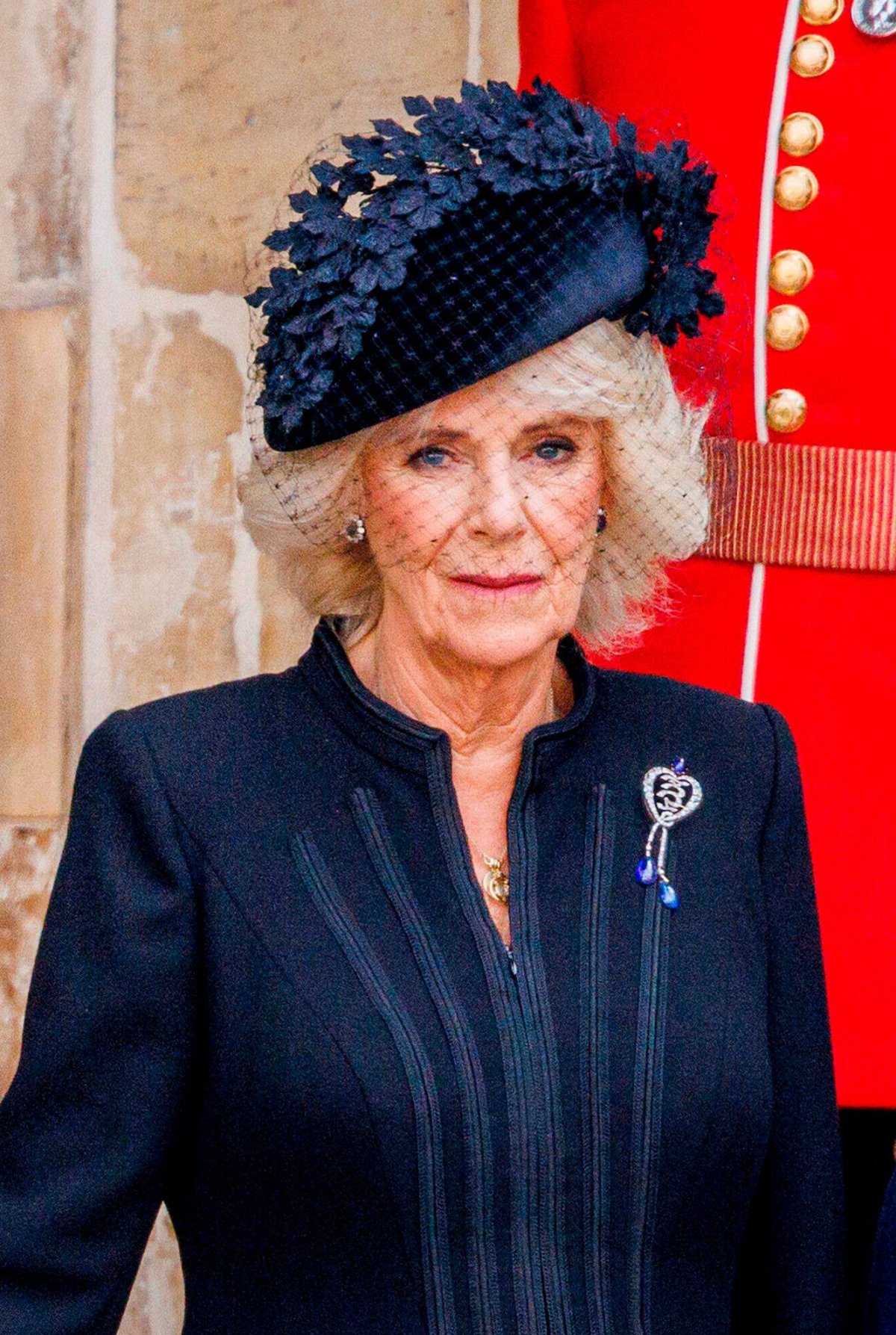
Shortly after her husband’s accession, Queen Camilla chose the brooch for one of the most important family occasions of all: the state funeral of her mother-in-law, Queen Elizabeth II. The brooch was a touching reminder of the longevity of Queen Elizabeth II, her royal predecessors, and the British monarchy as a whole.
Leave a Reply
You must be logged in to post a comment.